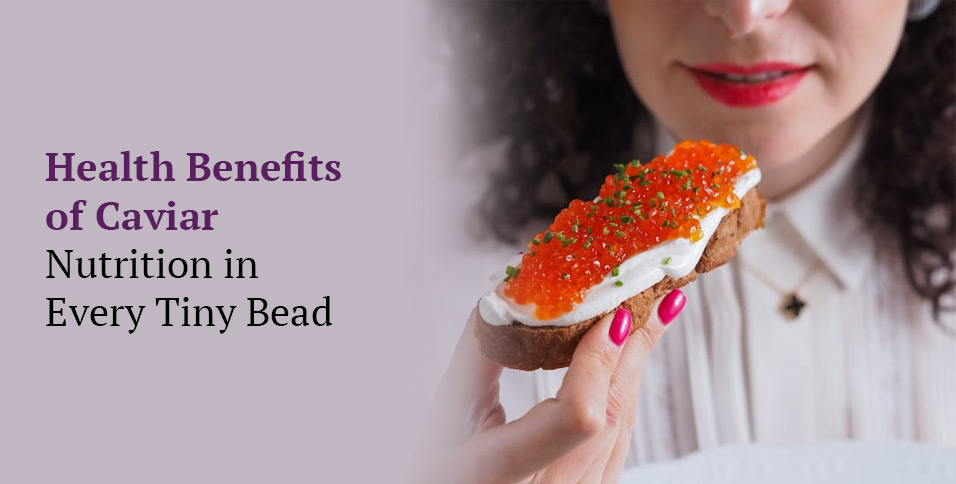
Caviar, often seen as the epitome of luxury cuisine, is more than just a gourmet delicacy. These tiny, glistening beads of fish eggs have been enjoyed for centuries, not only for their unique taste but also for their impressive nutritional profile. While caviar is associated with opulence and fine dining, it also offers a range of health benefits that make it a functional food worth considering.
Rich Source of Omega-3 Fatty Acids
One of the most significant health benefits of caviar is its high concentration of omega-3 fatty acids, particularly eicosapentaenoic acid (EPA) and docosahexaenoic acid (DHA). Omega-3s are essential fats that the human body cannot produce on its own, making dietary intake crucial. These fatty acids play a pivotal role in cardiovascular health by reducing inflammation, lowering triglyceride levels, and supporting healthy blood pressure. Studies have shown that regular consumption of omega-3s can reduce the risk of heart disease and promote overall heart health.
Omega-3s also benefit the brain. DHA, in particular, is a critical structural component of the brain and retina. Adequate intake supports cognitive function, memory retention, and may even reduce the risk of neurodegenerative diseases. For those looking for high-quality caviar, The Caviar Club offers premium options that are rich in these beneficial fatty acids. For this reason, caviar is sometimes referred to as “brain food,” providing not just luxury, but cognitive nourishment in every small serving.
High-Quality Protein
Caviar is a rich source of high-quality protein, containing all the essential amino acids required for growth, repair, and maintenance of body tissues. Protein is vital for building muscles, supporting metabolism, and maintaining a healthy immune system. Unlike many other animal proteins, the protein in caviar is highly bioavailable, meaning the body can absorb and utilize it efficiently. This makes caviar a valuable addition to diets focused on lean muscle maintenance or recovery after intense physical activity.
Packed with Vitamins and Minerals
Despite its small size, caviar is nutritionally dense. It is an excellent source of several vitamins and minerals that support overall health:
- Vitamin B12: Essential for red blood cell formation, nerve function, and DNA synthesis. A deficiency in B12 can lead to fatigue, anemia, and neurological issues.
- Vitamin A: Important for vision, immune function, and skin health.
- Vitamin D: Supports bone health by aiding calcium absorption and modulating the immune system.
- Selenium: A potent antioxidant that helps protect cells from oxidative stress and supports thyroid function.
- Iron: Crucial for oxygen transport and energy production.
These nutrients collectively contribute to energy levels, immune function, and overall vitality. The concentration of micronutrients in caviar means that even a small serving can provide meaningful nutritional benefits.
Heart Health and Cholesterol Management
In addition to omega-3 fatty acids, caviar contains other compounds beneficial for heart health. The amino acids and phospholipids in caviar have been linked to improved cholesterol profiles. Some studies suggest that caviar can help reduce low-density lipoprotein (LDL) cholesterol—commonly known as “bad” cholesterol—while increasing high-density lipoprotein (HDL) cholesterol, which protects against cardiovascular disease.
Furthermore, the anti-inflammatory properties of caviar can help maintain healthy arteries, reducing the risk of plaque buildup and improving blood flow. These cardiovascular benefits make it a functional food with the potential to complement heart-healthy diets.
Anti-Aging and Skin Benefits
Caviar is often featured in high-end skincare products due to its regenerative properties, and consuming it can provide similar benefits internally. The rich combination of vitamins A, D, E, and omega-3 fatty acids supports skin health by promoting hydration, elasticity, and cellular repair. Phospholipids found in caviar help maintain the integrity of cell membranes, which can contribute to a youthful appearance and reduce the visible effects of aging.
Additionally, antioxidants such as selenium protect the skin from oxidative stress caused by free radicals, environmental pollutants, and UV radiation. While enjoying caviar, one is not just indulging the palate but also supporting skin vitality from the inside out.
Immune System Support
The vitamins, minerals, and healthy fats in caviar collectively contribute to immune system strength. Selenium and vitamin A play critical roles in immune response, enhancing the body’s ability to fight infections and reduce inflammation. Omega-3 fatty acids also have immunomodulatory effects, helping regulate the immune system and reduce the risk of chronic inflammation-related diseases. Regular, moderate consumption of caviar can thus support overall immune health.
Mental Health and Mood Enhancement
Omega-3 fatty acids in caviar are not only good for the brain structurally but also for mental health. EPA and DHA have been studied for their role in mood regulation and reducing symptoms of depression and anxiety. By supporting neurotransmitter function and reducing inflammation in the nervous system, these nutrients can contribute to improved mental well-being. While caviar should not replace medical treatment for mental health conditions, its inclusion in a balanced diet may provide subtle cognitive and mood benefits.
Weight Management and Satiety
Though caviar is high in calories relative to its size, it can still be part of a weight-conscious diet. The combination of protein and healthy fats promotes satiety, helping to reduce overall calorie intake by curbing excessive hunger and snacking. A few teaspoons of caviar can provide substantial nutrients without the volume of higher-calorie, less nutrient-dense foods. This makes it a strategic addition to diets focused on nutrient density rather than sheer calorie reduction.
Considerations for Consumption
Despite its many health benefits, caviar should be consumed in moderation. It is naturally high in sodium, which can contribute to elevated blood pressure if consumed in excess. People with hypertension or those on sodium-restricted diets should limit intake or choose varieties with lower sodium content.
Additionally, caviar can be expensive, which may limit regular consumption. However, even occasional inclusion in a balanced diet can provide meaningful nutritional benefits. Quality matters as well—opt for sustainably sourced caviar to ensure environmental responsibility and better nutrient quality.
Conclusion
Caviar is more than a luxury indulgence—it is a nutrient-dense food with numerous health benefits. From supporting heart and brain health to enhancing skin vitality and immune function, these tiny beads offer a wealth of nutrition in a compact, flavorful form. Rich in omega-3 fatty acids, high-quality protein, vitamins, and minerals, caviar provides functional benefits that go beyond its culinary appeal.
Whether enjoyed on special occasions or integrated thoughtfully into a balanced diet, caviar demonstrates that health and luxury can coexist. With each small, elegant bead, one can savor not only the taste of refinement but also the nourishment of a food that has been treasured for both its flavor and its remarkable nutritional profile.