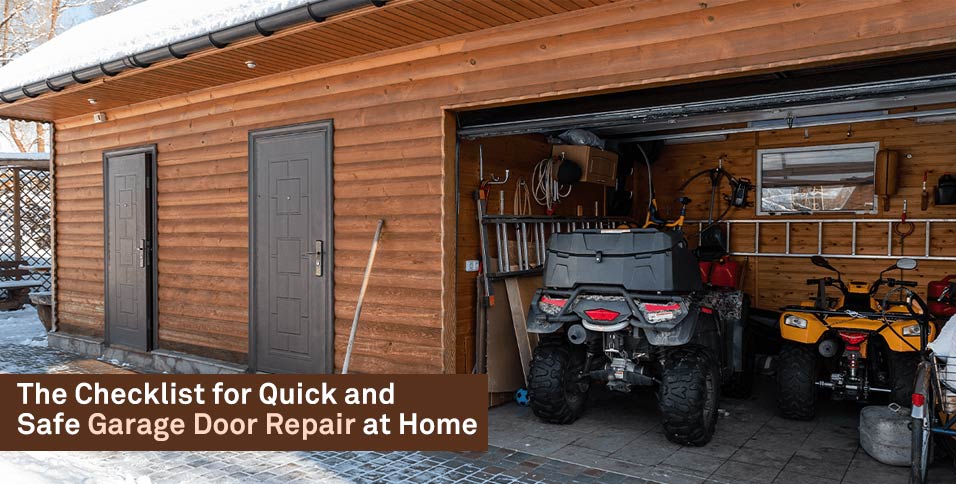
A malfunctioning garage door can be both an inconvenience and a safety hazard. Whether it’s a jammed track, a broken spring, or an unresponsive remote, knowing how to handle the issue efficiently makes a big difference. Homeowners often underestimate the importance of safety and proper diagnosis when attempting repairs themselves. Quick fixes without understanding the cause can lead to further damage or even personal injury. Before calling a technician, having a reliable checklist helps you assess the situation, take basic safety measures, and decide if professional help is required. By following these steps carefully, you can perform a safe and effective garage door repair in Baton Rouge, LA, while keeping your home secure:
1. Inspect the Door’s Condition Thoroughly
Before attempting any repair, start by observing how the door operates. Check for visible wear and tear on cables, rollers, and tracks while listening for unusual noises during operation. A grinding sound could indicate misalignment, while jerky movement might point to debris buildup or worn-out components. Always disconnect the opener before touching any parts to prevent accidental activation. By performing this initial inspection carefully, you gain valuable insight into whether the issue is mechanical or electrical.
2. Ensure Proper Balance and Alignment
A well-balanced garage door moves smoothly without resistance or noise. To test this, lift the door halfway manually after disconnecting the opener and observe if it stays in place. If it slams shut or shoots upward, it’s out of balance—usually due to faulty springs or cable tension. Misalignment in the tracks can also cause the rollers to slip, making the door harder to control. Correcting these problems requires careful adjustment or spring replacement, tasks best left to experienced professionals to avoid injury.
3. Clean and Lubricate Moving Components
One of the simplest yet most overlooked maintenance steps is cleaning and lubricating moving parts. Dust, dirt, and rust buildup can strain the rollers and tracks, causing friction and uneven movement. Use a mild household cleaner to remove grime and apply a silicone-based lubricant to the hinges, springs, and rollers. Avoid using grease-based products since they attract dust and can create sticky residue. Regular lubrication not only extends the lifespan of your system but also minimizes noise and prevents future mechanical stress.
4. Check the Electrical Connections and Safety Sensors
Modern garage doors rely heavily on sensors and wiring for smooth, safe operation. Faulty connections or misaligned sensors can stop the door from closing properly or cause it to reverse suddenly. Check the wiring for visible damage and make sure the photo-eye sensors are facing each other with no obstructions. Dust or cobwebs on the lenses can interfere with the safety beam, leading to a malfunction. If cleaning and resetting don’t resolve the problem, the issue may involve the opener’s circuit board, which requires expert inspection.
5. Tighten Hardware and Test the Emergency Release
Over time, frequent use can loosen nuts, bolts, and brackets, creating instability in the garage door structure. Tighten all visible fasteners using the appropriate tools, focusing on hinges, roller brackets, and the track system. After tightening, test the door manually using the emergency release handle to ensure it moves freely and smoothly. This test helps verify whether the mechanical components are functioning independently of the motor. Performing this step routinely improves operational safety and helps detect any underlying alignment issues early.
A comprehensive checklist ensures your garage door operates safely and reliably year-round. While basic maintenance tasks like cleaning and inspection can be handled by homeowners, complex issues involving springs or electrical circuits should always be managed by trained professionals. Attempting high-tension or electrical work without expertise can lead to costly damage or serious injury. When your door’s movement feels strained or unresponsive, it’s time to schedule expert service to restore full function. If you also have an automated entry system, pairing your door maintenance with timely gate operator repair in Baton Rouge, LA, ensures seamless access and enhanced security for your home.
Don’t let a faulty garage door compromise your home’s safety or convenience. Contact trusted local professionals at Southeastern Overhead Door at 225-753-1595 today for reliable inspection, timely repairs, and preventive maintenance that keep your system performing at its best. Your home deserves the security and smooth operation that only expert service can provide.
FAQs
1. How often should I service my garage door to avoid unexpected breakdowns?
It’s best to have your garage door serviced at least once a year. Regular inspections and lubrication help identify worn parts before they cause operational issues. If your door is used multiple times daily, consider professional maintenance every six months for optimal performance and safety.
2. Can I replace broken garage door springs myself?
Replacing springs is not recommended as a DIY task. Garage door springs are under extreme tension and can cause serious injury if handled incorrectly. Always contact a licensed technician who has the right tools and training to replace springs safely and ensure your door operates smoothly afterward.