Over the past decade, the gaming industry has undergone a profound transformation in how it approaches player engagement. Traditional models of static, one-size-fits-all experiences have given way to more nuanced and player-driven environments. Developers are increasingly prioritizing tools and systems that allow users to personalize aspects of gameplay to their tastes, which has proven to deepen emotional investment and extend gameplay duration. This shift is not simply a trend but a strategic response to evolving user expectations and behavior.
In an era where digital experiences are increasingly tailored—from social media feeds to online shopping recommendations—it comes as no surprise that gamers desire the same degree of agency. Players now expect to shape their journey, whether through character appearance, control schemes, game rules, or story direction. This appetite for personalization speaks to a broader consumer mindset that values individuality, and games have become a fertile ground for that expression. Game customization taps into the same psychological drivers as other digital personalization experiences, namely autonomy, identity, and immersion.
Importantly, the rise of personalized gaming is not limited to AAA console titles or PC platforms. Mobile games and browser-based experiences are also embracing customization features, often as key components of their monetization strategies. From avatars to mini-games, the trend crosses technical boundaries and player demographics. This ubiquity suggests that the value of customization lies not just in technological novelty but in its ability to meaningfully enhance the user experience across the board.
Immersion Through Environmental and Character Customization
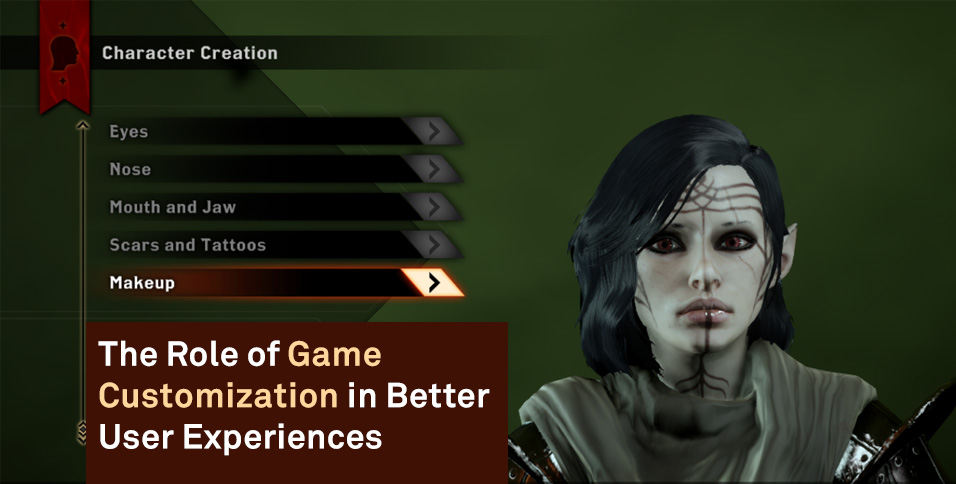
One of the most immersive forms of customization involves shaping the virtual environment or the characters that inhabit it. These features allow players to express identity and influence the tone of their experience. Whether it’s building a dream home in a life simulator or customizing a racing car in a competitive game, environmental and character design options give players a personal stake in the virtual world. When players see their preferences reflected in the game, it fosters a sense of ownership that deepens emotional connection.
Environmental customization can also serve functional purposes beyond aesthetics. In many strategy and sandbox games, players are encouraged to build or modify terrain, structures, and interfaces, affecting gameplay outcomes and progression. This intersection of utility and creativity rewards experimentation and sustains long-term engagement. It enables games to become more than passive entertainment; they evolve into evolving platforms for creative problem-solving and storytelling. The more a player can influence their surroundings, the more immersive the experience becomes.
Character customization similarly serves a dual function. On the one hand, it helps players forge an avatar that aligns with their identity, values, or aspirations. On the other hand, it affects how others perceive and interact with them in multiplayer environments. This combination of self-expression and social signaling is particularly powerful in online communities where visual representation often substitutes for physical presence. For both solo and social experiences, being able to design and modify one’s character is not just a cosmetic feature but a vital part of how users engage with the narrative and each other.
Mechanics That Adapt to Player Styles
Game mechanics are no longer rigid systems; instead, they are increasingly adaptive and responsive to how a player interacts with the game. This form of customization is particularly crucial for enhancing accessibility and inclusivity. By allowing players to modify difficulty settings, control layouts, or even the pacing of gameplay, developers can ensure that a broader audience can enjoy the experience. Such options make games more welcoming and less intimidating for newcomers, while also providing depth for seasoned players seeking a challenge.
These adaptive systems often rely on user feedback or behavior tracking to optimize gameplay in real time. For instance, dynamic difficulty adjustment algorithms analyze a player’s performance and tailor enemy behavior or puzzle complexity accordingly. This ensures that engagement remains consistent and avoids the frustration that can come from levels being too hard or too easy. Players who feel that the game understands and reacts to them are more likely to remain engaged and invested over time.
A compelling example of this concept can be seen in the growing popularity of custom games and branded experiences. Companies like Something New offer tailored carnival-style games that align with client needs, whether for corporate events, brand activations, or public installations. These highly customized experiences demonstrate how game mechanics can be molded to fit different audiences, themes, and purposes. It reflects a broader truth about the gaming landscape: personalization isn’t just a user preference, it is now a strategic imperative for creators looking to deliver memorable, inclusive, and impactful experiences.
Narrative Flexibility and Player-Driven Stories
Storytelling in games has evolved from linear narratives to branching storylines shaped by player choices. This evolution has been driven in part by the increasing demand for games that reflect the moral, emotional, and tactical decisions of players. Instead of following a predetermined path, players can now influence the trajectory of the story, leading to multiple outcomes and deeply personal narratives. This form of customization ensures that each player’s journey through a game is distinct and memorable.
Narrative customization is not only about diverging plot lines but also about how characters interact with the player and each other. Dialogue trees, relationship meters, and moral alignment systems are tools that give players control over the tone and direction of interactions. These systems reward thoughtful decision-making and allow players to project their values and priorities into the game world. As a result, players experience a heightened sense of consequence and immersion, knowing that their choices matter in tangible ways.
Moreover, narrative flexibility invites replayability. A game that offers different endings or alternate story arcs encourages players to revisit it, exploring different choices and outcomes. This not only extends the lifecycle of the game but also builds community as players compare their unique experiences. Online forums, fan theories, and video walkthroughs thrive in such ecosystems, fostering a participatory culture around the game. Narrative customization, therefore, does more than enrich the experience; it builds loyalty and longevity in a competitive marketplace.
Social Connectivity Through Custom Play
Customization also plays a vital role in shaping social interactions within games. Multiplayer titles often allow players to form teams, build communities, and compete in personalized formats that enhance the sense of camaraderie and identity. From naming clans and designing emblems to choosing roles and assigning duties, these features strengthen the bonds between players. They create shared rituals and a sense of belonging that is critical to the longevity of multiplayer ecosystems.
Social customization can also manifest through gameplay mechanics, such as co-op modes that allow players to sync strategies or custom lobbies where players set their own rules. These tools empower users to craft their own experiences within the game’s broader framework. The ability to establish social norms or community guidelines inside a game mirrors larger societal structures and increases the depth of engagement. Players aren’t just consuming content; they are co-creating their environment and social architecture.
Furthermore, customization in social contexts often fosters inclusivity. It allows players with different skill levels, backgrounds, and goals to find or form communities that match their style. Whether it’s through casual playrooms or competitive leagues, players can seek out or build the experience that fits their comfort and interest level. This flexibility ensures that games remain welcoming and relevant to diverse audiences, reinforcing the idea that personalization is not merely a luxury but a foundational design principle.
Commercial Benefits and Brand Integration
The strategic deployment of game customization also yields tangible commercial benefits. For game developers, offering custom content options such as skins, emotes, or map packs can generate significant revenue through microtransactions. These purchases often feel more valuable to players because they enhance self-expression rather than utility, allowing companies to monetize personalization without affecting game balance. In effect, players are not just consumers but investors in their own experience.
Customization also opens the door to brand partnerships and marketing integrations that feel more organic. Brands can design themed assets or sponsor in-game events that align with the player’s interests and in-game behaviors. This alignment allows companies to engage audiences in ways that traditional advertising cannot. Because the content is player-selected and contextually relevant, it feels less intrusive and more like a meaningful part of the experience.
Moreover, customizable games are more likely to be shared on social media, amplifying their reach. Players often take pride in their creations, whether it’s a customized character or a unique in-game moment, and share them with friends and followers. This organic promotion not only builds community but serves as user-generated marketing. It illustrates how customization doesn’t just serve the player; it becomes a feedback loop of visibility, engagement, and brand affinity.
Technological Foundations of Game Customization
Behind the user-facing features of customization lies a robust and evolving technological infrastructure. Game engines must be capable of supporting modular systems that can handle user-generated content, dynamic changes, and responsive interfaces. Tools like Unreal Engine and Unity have become instrumental in making customization scalable and user-friendly. These platforms allow developers to create flexible architecture that can accommodate a range of user modifications without compromising performance.
AI and machine learning are increasingly being integrated into customization features. These technologies can recommend content based on player behavior, predict preferences, and even create procedural elements tailored to the user’s profile. For example, AI can generate terrain or dialogue that matches the tone of a player’s previous decisions. This intelligent adaptability takes customization beyond static menus and transforms it into a continuous and responsive dialogue between player and system.
Cloud gaming and cross-platform play also contribute to the feasibility of advanced customization. With game data stored remotely and accessible across devices, players can maintain their preferences and creations wherever they play. This seamless integration enhances the feeling of continuity and control. The technological underpinnings of customization are not just backend marvels; they are central to ensuring the quality and consistency of the user experience in a complex, interconnected digital environment.
The Future of User-Centric Game Design
Looking ahead, the role of game customization is likely to become even more central to design philosophies and development priorities. As players increasingly demand more agency, games will need to offer deeper levels of personalization that go beyond aesthetics. Developers will explore ways to make entire gameplay systems modular, allowing for unprecedented flexibility and experimentation. This paradigm shift will redefine what it means to engage with a digital experience.
The rise of user-generated content further amplifies the need for robust customization tools. Players are not only customizing within boundaries set by developers but are now creating entirely new experiences, from levels and storylines to rule sets and game modes. Empowering players to be co-creators fosters a participatory ecosystem where innovation comes from both sides of the screen. It also allows games to remain fresh and relevant long after their initial release.
Ultimately, the future of gaming will be defined by how well creators listen to and incorporate player feedback. Customization is not just a feature; it is a philosophy that centers the user in the creative process. In doing so, it transforms games from static products into dynamic platforms for interaction, expression, and community. As technology advances and audiences diversify, game customization will continue to be the cornerstone of delivering better, more meaningful user experiences.