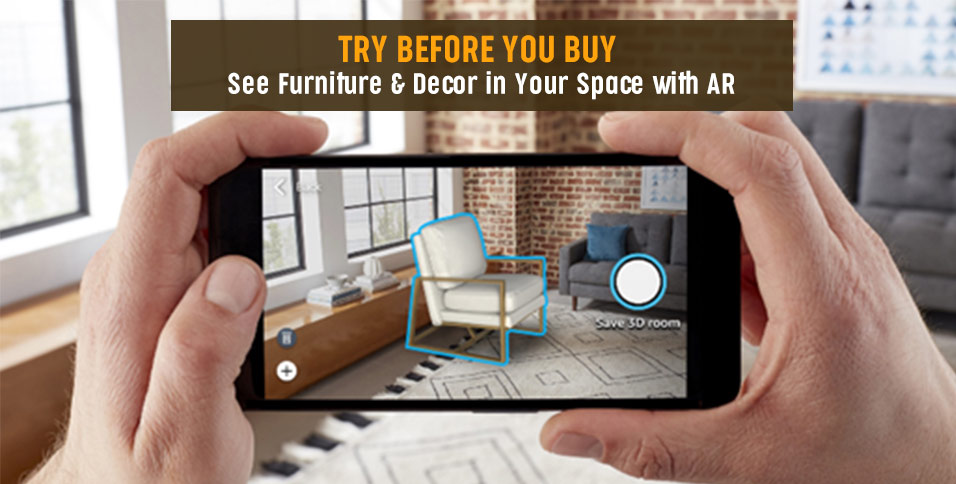
As e-commerce continues to evolve, AR for retail is emerging as a powerful force—especially in the furniture and home decor industry. Consumers are no longer content with browsing static images and reading vague dimensions. Instead, they want to visualize before they purchase, and that’s exactly what AR view technology delivers.
Imagine placing a digital sofa in your living room, testing different rugs on your floor, or previewing wall colors—all through your smartphone. This is the reality made possible by AR viewer tools and web AR technology, offering a new level of immersion that transforms the online shopping experience.
Redefining Shopping with AR View
AR view tools allow users to place life-sized, 3D models of furniture or decor in their real-world environments. Using just a smartphone or tablet, customers can instantly project a virtual item into their space to see how it looks and fits—right down to scale, lighting, and color coordination.
This removes the guesswork often associated with online furniture shopping. Instead of relying on imagination, buyers can make confident decisions, which reduces returns and increases satisfaction. Visualizing AR is not just an engaging feature—it’s a practical solution to one of retail’s oldest problems.
AR Virtual Try-On: A New Kind of Home Makeover
While AR try-on and AR virtual try-on are commonly linked to fashion, they are now transforming how consumers explore home decor. From testing out curtains, artwork, and rugs to swapping out finishes or materials, users can now virtually try on items for their spaces—without ever setting foot in a store.
This immersive process is highly interactive and personalized. It taps into the psychology of ownership, helping customers envision how a product becomes part of their lives. Retailers offering AR virtual try-on options consistently see higher engagement, longer browsing sessions, and better conversion rates.
AR Visualization: Elevating Product Interaction
Beyond trying on individual products, AR visualization opens the door to a fully immersive shopping journey. Customers aren’t just seeing products—they’re interacting with them in meaningful ways.
AR visualization software enhances this further by allowing for dynamic interactions, such as rotating, resizing, or customizing products in real time. For home decor, this means experimenting with furniture layouts, exploring different lighting conditions, or seeing how textures interact with existing elements in a room.
This added layer of interactivity supports informed decisions and creates a richer user experience, especially in complex or high-involvement purchases.
Data Visualization in AR: Smart Retail with Real Insights
The impact of AR doesn’t end with the customer—it’s also changing how businesses understand their audiences. Data visualization in AR and AR VR data visualization enable brands, marketers, and designers to access and interpret usage patterns like never before.
Imagine knowing which products are most often placed in virtual rooms, in which regions, and at what times of day. With data visualization AR tools, retailers can uncover trends that influence product development, inventory management, and marketing strategies.
This immersive, interactive method of data analysis not only improves decision-making but also brings clarity to the vast amounts of user data generated through AR viewer interactions.
Web AR Technology: Frictionless, Scalable, Accessible
One of the most exciting advances in this space is web AR technology—AR experiences that work directly in a mobile browser, with no app download required. This reduces friction for users and increases adoption rates, making it easier for anyone to explore and engage with products in AR.
Retailers can integrate AR for retail experiences directly into product pages. Shoppers simply click “View in Your Space” and activate an AR viewer to preview items in their environment. For businesses, this means more reach, faster onboarding, and a better overall shopping experience for customers.
The app-free nature of web AR technology also makes it ideal for marketing campaigns, in-store displays, or print media enhanced with QR codes—extending the digital journey into the physical world.
The Future of Retail is Visual, Interactive, and Augmented
As consumer expectations continue to rise, AR for retail is no longer optional—it’s essential. The ability to visualize AR products in real time, interact with them, and make data-backed decisions is becoming the standard for successful digital commerce.
From AR view tools that bring furniture to life in your living room, to AR virtual try-on features that let you experiment with home decor elements, the possibilities are endless. Add in AR visualization software for designers and AR VR data visualization for strategic insights, and it’s clear: AR is transforming how we shop, design, and connect with products.
Whether you’re a consumer, a designer, or a retailer, embracing this shift means aligning with a future where creativity meets technology—where you can visualize before you purchase, and make smarter, more satisfying decisions every step of the way.
Also Read: Décor must-haves that will elevate interior design