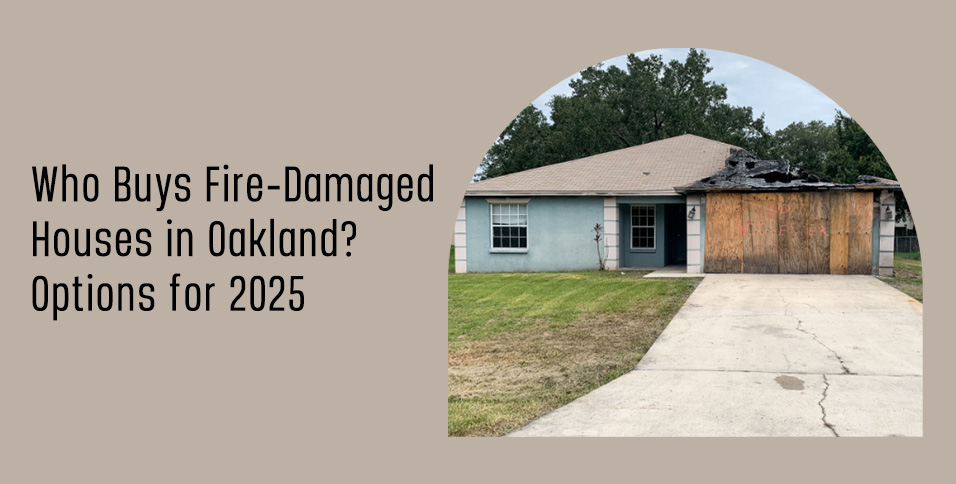
Selling a fire-damaged house in Oakland can feel overwhelming, but there are clear options to navigate this process. You can sell the property “as-is” or invest in repairs before listing. The best buyers for fire-damaged homes are cash buyers, real estate investors, or specialized companies. These groups often purchase homes quickly without requiring repairs, offering a straightforward solution for homeowners.
Here’s what you need to know:
- Cash Buyers: Offer fast closings (7–14 days), buy as-is, and cover closing costs. Expect 50–70% of the home’s fair market value.
- Real Estate Investors: Experienced in handling damaged properties, they evaluate repair costs and market potential before making competitive offers.
- Specialized Companies: Handle everything from assessments to paperwork, buying homes in their current state.
Key Steps to Sell:
- Assess and Document Damage: Get professional evaluations and repair cost estimates. Organize records for insurance claims and buyer transparency.
- Gather Multiple Offers: Compare bids to secure the best deal. Verify buyer credentials and proof of funds.
- Meet Legal Requirements: Disclose all fire damage and repairs as required by California law to avoid legal issues.
Selling as-is saves time and repair costs but may reduce the sale price by 20–40%. Making repairs can increase value but involves high costs and longer timelines. Choose based on your financial situation and goals. Transparency and preparation are crucial for a smooth sale.
How To Sell A Fire Damaged House For Top Dollar? | Real Estate
Who Buys Fire-Damaged Houses in Oakland
Selling a fire-damaged property in Oakland requires finding the right buyer – someone who understands the challenges and sees the potential in such homes. While traditional buyers often steer clear of heavily damaged properties, there are specific groups actively seeking them out: cash home buyers, real estate investors, and specialized companies. Let’s break down how each of these buyers operates and what makes them a good option for fire-damaged homes.
Cash Home Buyers
Cash buyers are a major force in California’s real estate market. In 2024, they accounted for about 22% of all home purchases in the state. Their main draw? Speed and simplicity. For homeowners grappling with fire damage, this fast-paced approach can be a game changer.
Here’s what sets cash buyers apart:
- Quick Closings: They can wrap up a sale in as little as 7–14 days after an offer is accepted. No waiting on mortgage approvals or lender red tape.
- As-Is Purchases: Cash buyers don’t require repairs or staging. They handle all assessments and factor in renovation costs when making an offer, typically offering between 50% to 70% of the property’s fair market value.
- No Extra Costs: They often cover closing costs, which helps streamline the process for sellers.
For homeowners looking to sell without the hassle of repairs or prolonged negotiations, cash buyers offer a straightforward solution.
Real Estate Investors
Real estate investors bring a different kind of expertise to the table. They see fire-damaged properties as opportunities – either to renovate and resell (flipping) or to restore and rent out. Their experience with distressed properties makes them particularly well-suited for handling fire damage.
Here’s how investors approach these deals:
- In-Depth Evaluations: They consider the extent of the damage, repair costs, market trends, and the property’s location to determine a fair offer.
- Established Networks: Investors often have strong relationships with contractors and understand local permit requirements, which allows them to navigate the restoration process efficiently.
- Competitive Offers: Thanks to their specialized knowledge, they can make offers that reflect the property’s potential, even if it’s in poor condition.
For sellers, working with investors can mean a smoother, more predictable transaction – especially if the property requires significant restoration.
Companies That Buy Damaged Homes
Another option is working with companies that specialize in buying damaged homes. These businesses, like Jit Home Buyers, focus exclusively on properties in need of repair and offer tailored solutions for homeowners in Oakland and across California.
What makes these companies stand out?
- Hassle-Free Process: They handle everything – from property assessments to paperwork and even insurance coordination – without requiring repairs or charging fees.
- As-Is Purchases: Like cash buyers, these companies buy homes in their current state, saving sellers from repair costs.
- Fast and Accurate Offers: Their experience with fire-damaged properties allows for quicker evaluations and fair offers, making the process less overwhelming for sellers.
For homeowners feeling daunted by the thought of selling a fire-damaged property, these companies offer a streamlined and stress-free alternative.
Connecting with Buyers
To reach these buyer types, you can start by searching online, filling out inquiry forms, or making direct calls to request cash offers. However, it’s crucial to do your homework: research each buyer’s reputation, check their licensing, and read customer reviews to ensure a reliable and smooth transaction.
Ultimately, whether you choose a cash buyer, an investor, or a specialized company, the biggest advantage is avoiding the costly burden of repairs. These buyers take on the responsibility of restoration, allowing you to move on without the financial and emotional strain.
How to Sell Your Fire-Damaged House in 2025
Selling a fire-damaged house might seem daunting, but following a clear process can make it manageable. Focus on three key steps: assessing and documenting the damage, gathering multiple cash offers, and meeting all legal disclosure requirements. Here’s how to navigate each step effectively.
Get the Damage Assessed and Documented
Before anything else, confirm that the authorities have declared your property safe to enter. Then, notify your insurance company about the fire and start documenting the damage immediately.
Take detailed photos of the damage from multiple angles. Create an inventory of affected areas and items, paying special attention to structural issues like collapsed ceilings, damaged walls, or foundations. Include high-value items and important documents in your records. Don’t forget to note any pre-existing conditions to avoid disputes later.
Consider hiring professionals such as contractors, appraisers, or restoration experts to evaluate the damage thoroughly. Their assessments not only strengthen your insurance claim but also help you determine a fair sale price. Keep all related documents organized and backed up digitally to ensure nothing gets lost.
Once your documentation is complete, you’re ready to approach potential buyers.
Get and Compare Cash Offers
With a clear understanding of the damage, start reaching out to buyers. Don’t settle for the first offer – collect multiple bids to find the best deal.
When reviewing offers, don’t just focus on the dollar amount. Look at other factors like how quickly the buyer can close, whether they’re willing to purchase the property as-is, and any contingencies attached to the offer. Always verify proof of funds to ensure the buyer has the financial capacity to follow through.
Research each buyer’s reputation by checking their Better Business Bureau ratings, reading reviews, and confirming their experience in your market. Reliable buyers will provide a transparent breakdown of how they calculated their offer. Be cautious of anyone pressuring you to make a quick decision or offering terms that seem too good to be true.
Specialized companies like Jit Home Buyers can simplify the process by purchasing fire-damaged houses directly. These companies often provide quick assessments, handle the paperwork, and don’t require you to make repairs or pay fees. Factors like the extent of the damage, your home’s location, market value, and renovation potential will influence the offers you receive. Negotiate terms that align with your needs before finalizing any agreement.
After securing a competitive offer, the next step is to meet all legal requirements.
Meet Legal Requirements and Stay Transparent
If you’re selling a fire-damaged house in California, state law requires you to disclose all known issues. This includes fire damage, smoke residue, structural problems, and exposure to hazardous materials. You’ll also need to note whether the fire department responded to the incident and disclose any previous repairs or damage, such as termite issues.
Use your documentation to complete a Transfer Disclosure Statement (TDS) and a Natural Hazard Disclosure (NHD) report. These forms ensure that both you and the buyer understand the property’s condition.
Additionally, make sure you comply with local building codes, especially if repairs or changes are needed to bring the home up to code. Failing to disclose damage properly can lead to legal issues, financial penalties, or even a voided sale. Even if past issues have been repaired, they must still be disclosed.
To navigate these requirements, consider hiring a real estate attorney with expertise in California property law. Recent updates, like SB 658 introduced in February 2025 and an executive order from January 2025, add further protections for property owners. These measures include stricter notification requirements and safeguards against predatory practices. Working with professionals – whether it’s a real estate attorney, specialized buyer, or certified fire restoration expert – can help you meet legal obligations while protecting yourself from future liability.
Sell As-Is or Make Repairs First?
Once you’ve assessed the damage and reviewed cash offers, the next big decision is whether to sell your property as-is or invest in repairs. This choice can affect your timeline, repair expenses, and final sale price. Weighing the pros and cons of each option will help you determine what works best for your situation.
Benefits and Drawbacks of Selling As-Is
Selling your fire-damaged property as-is means putting it on the market in its current condition without making any repairs or upgrades. This approach has clear advantages, especially for homeowners looking to sell quickly or avoid significant repair costs.
Speed is a key advantage. Selling as-is allows you to list the property right away and close the deal faster. This can be a relief if you’re facing tight insurance deadlines, financial stress, or the emotional toll of fire damage.
Cost savings are another big plus. Fire restoration costs can range from $4.50 to $6 per square foot, with severe damage often exceeding $75,000 – including an extra 20% for unexpected expenses or building code updates. By selling as-is, you sidestep these expenses, along with the hassle of managing repairs, permits, and potential delays.
That said, selling as-is isn’t without its challenges. Properties in this condition often fetch lower sale prices, with fire damage reducing a home’s value by 20–40% of its pre-fire market value. Minor cosmetic damage might reduce value by 10–20%, while severe structural issues can lead to losses exceeding 40%. Additionally, most traditional buyers prefer move-in-ready homes, which can shrink your pool of potential buyers. California law also requires full disclosure of all fire damage and related issues, which may deter some buyers.
Consider these factors carefully to decide if selling as-is aligns with your financial goals and timeline.
Benefits and Drawbacks of Making Repairs
Repairing your fire-damaged property before selling can increase its value and attract more buyers, but it comes with its own set of challenges.
Increased property value is the main reason to invest in repairs. A professionally restored home can sell closer to its pre-fire market value, helping you recover much of the typical 20–40% loss.
Wider buyer interest is another benefit. Move-in-ready homes appeal to traditional buyers, families, and owner-occupants, often leading to more competitive offers.
Repairs can also provide emotional closure and help preserve neighborhood property values.
However, the downsides are significant. High upfront costs are a major hurdle, with repair expenses often unpredictable and substantial. Longer timelines are another issue, as restoration projects can take months due to permit delays, contractor availability, or unforeseen complications. Even after investing heavily, there’s no guarantee of a profit since market conditions and buyer perceptions play a big role in determining the final sale price.
As-Is vs. Repairs: Side-by-Side Comparison
| Factor | Selling As-Is | Making Repairs First |
| Timeline | Quick closing (within weeks) | Longer process (several months) |
| Upfront Costs | $0 (no repairs) | High repair costs |
| Potential Sale Price | 20–40% below pre-fire value | Closer to pre-fire market value |
| Buyer Pool | Mostly investors, cash buyers, and specialized companies | Traditional buyers, families, and owner-occupants |
| Stress Level | Lower (simplified process) | Higher (managing repairs, permits, and contractors) |
| Financial Risk | Lower (no investment required) | Higher (risk of no return on investment) |
| Disclosure Requirements | Must fully disclose fire damage | Must disclose fire history and repairs |
Your decision should be based on your financial situation, timeline, and emotional readiness. Selling as-is might be the better choice if you’re facing foreclosure, need to relocate quickly, or don’t have the funds for extensive repairs. On the other hand, making repairs could be worthwhile if you have solid insurance coverage, cash reserves for unexpected costs, and the bandwidth to manage a complex restoration.
To make an informed choice, research recent sales of both repaired and as-is fire-damaged properties in your Oakland area. This will help you set realistic expectations for your property’s price.
No matter which path you choose, transparency is critical. Keep detailed records and be upfront about the property’s condition throughout the process.
How to Get the Best Price for Fire-Damaged Property
Selling a fire-damaged property can feel challenging, but with the right strategy, you can maximize its value. While fire damage often reduces property value by around 10%, careful planning and smart decisions can help attract the right buyers and get the best possible price.
Price Your Property Correctly
Setting the right price is crucial, and it starts with understanding the full scope of the damage and the local market.
Get professional assessments and detailed estimates. Repair costs for fire damage vary significantly, from $3,107 to $51,243, depending on the extent of the damage. Minor restoration work might cost $4.50 to $6 per square foot, but severe cases could exceed $75,000. These numbers will guide your pricing strategy.
Use tax assessments and appraisals as a baseline. Check your most recent property tax assessment and appraisal reports. Then, compare your home to similar properties in your area, particularly those that have sold recently. This will give you a clearer picture of how to price your home, factoring in repair costs and market trends.
Analyze comparable properties in Oakland. Look at sales data for both restored and as-is homes in your neighborhood. This comparison will help you gauge how much buyers might be willing to pay and how repair costs affect final sale prices.
Show Your Property in the Best Light
Transparency and presentation are key when selling a fire-damaged property. Buyers need to see the potential beyond the damage.
Keep a detailed repair log. Document every repair with dates, contractor information, and before-and-after photos. Include receipts for all work done. Real estate expert Gene Darden emphasizes the importance of thorough documentation:
“A buyer is going to be looking at the house through a microscope, so you need to be prepared for that, even more so than your standard inspection and purchase… Really dot your i’s and cross your t’s in reference to documenting everything that was done to bring that house back up to speed, all the way down to photos and paid invoices”.
Highlight the property’s strengths. Draw attention to features that remain unaffected by the fire, like a prime location, spacious lot, or unique architectural elements. For example, if the home has original hardwood floors or is situated in a desirable Oakland neighborhood, make sure these details stand out.
Improve curb appeal with simple updates. A fresh coat of paint can hide smoke stains, and refinished wood floors can make a big difference. Repair damaged doors, windows, or light fixtures to enhance the overall appearance.
Stage your home effectively. Let natural light fill the space by cleaning windows and opening curtains. During showings, use clear signage to point out the property’s strengths. Be prepared to answer questions about the fire damage and repairs with honesty and confidence.
Once your property is presented in its best possible light, it’s time to focus on finding the right buyer.
Find Trustworthy Buyers
Selling a fire-damaged property often means working with buyers who understand these types of homes and can move quickly.
Focus on cash buyers and investors. These buyers are typically experienced in handling damaged properties and are less likely to rely on financing, which speeds up the process.
Partner with local experts. Companies familiar with the Oakland market, like Jit Home Buyers, can help navigate California’s specific disclosure requirements and market conditions, making the sale smoother.
Verify buyer credentials. Always check references, confirm proof of funds, and review past transactions. Verifying a buyer’s background can save you from unnecessary disputes or delays.
Encourage multiple offers. Different buyers may see different potential in your property, so gathering multiple offers can help ensure you get the best possible price.
Key Points for Selling Fire-Damaged Houses in Oakland
Selling a fire-damaged house in Oakland takes careful planning and a clear strategy. To navigate the process effectively, it’s essential to focus on transparency, thorough preparation, and finding the right buyer who understands the unique challenges of such properties.
Start with detailed documentation. Keeping accurate and complete records of the fire damage is crucial. This not only builds trust with potential buyers but also helps you aim for a fair market value.
Once your documentation is in order, the next step is finding the right buyer. Work with buyers who specialize in fire-damaged properties. Cash home buyers and real estate investors are often ideal because they’re experienced with these types of sales and can act quickly. Many local companies in Oakland purchase properties as-is, sparing you from the expense and time involved in making repairs or navigating a traditional sale.
Confirm buyer reliability. Before proceeding, verify the buyer’s credentials. Check references and ask for proof of funds to ensure the transaction will go smoothly.
Beyond choosing the right buyer, you’ll need to evaluate your financial and legal circumstances. Know your financial position and comply with legal requirements. Fire damage can reduce a home’s value by 20–40%, and repair costs can range from $4.50 to $6 per square foot for minor restoration. Severe damage may require upwards of $75,000. To prepare, get a professional assessment of the damage and ensure you meet California’s legal disclosure requirements. This includes providing damage reports, repair estimates, and any relevant insurance claim information.
Your timeline, budget, and personal goals will influence your selling strategy. By following these steps, you can simplify the process and make informed decisions. Trusted local companies in Oakland offer quick, transparent solutions, allowing homeowners to sell fire-damaged properties without unnecessary stress while securing fair compensation for their homes.
FAQs
Should I sell my fire-damaged house as-is or make repairs before selling?
Selling a fire-damaged house as-is can be a practical way to avoid the hassle of repairs. It saves you time, cuts down on expenses, and eliminates the stress of overseeing renovations. This route is particularly appealing if you’re in a hurry to sell or don’t have the funds to fix the damage. That said, selling as-is usually means accepting a lower offer, as buyers will account for the cost and effort needed to restore the property.
On the flip side, repairing the house before selling can boost its market value and draw in more potential buyers, which might result in a higher selling price. However, this choice comes with upfront costs, time commitments, and effort – things that might not align with your plans if you’re aiming for a quick sale. Weigh your priorities, budget, and timeline to figure out which approach suits your needs best.
How do I find a trustworthy buyer experienced with fire-damaged homes?
When selling a fire-damaged property, finding the right buyer is crucial. Start by digging into their reputation and background. Focus on buyers who specialize in fire-damaged homes and have at least 3 to 5 years of experience in this niche. Look for reviews, testimonials, and references that highlight their ability to handle these types of properties effectively.
Make sure they understand the specific challenges that come with fire-damaged homes, like accurately assessing the property’s value and navigating the legal or logistical hurdles involved. Take the time to review their past deals and confirm their standing in the industry. This extra effort can help you steer clear of inexperienced buyers and make the selling process much smoother.
What are the legal steps to sell a fire-damaged house in California, and how can I ensure compliance?
When selling a fire-damaged house in California in 2025, you’re legally obligated to disclose all known fire-related damage to potential buyers. This includes anything from structural issues and smoke residue to repairs completed after the fire. These requirements are outlined in California Civil Code § 1102. Being upfront about the property’s condition isn’t just a good practice – it’s crucial for avoiding legal trouble.
California has also introduced laws to combat predatory offers in fire-affected areas. Sellers should ensure that any offers reflect the fair market value of the property to stay in compliance. If your home needs repairs or updates, it’s important to follow local building codes and obtain the required permits before proceeding.
By adhering to these legal obligations and maintaining transparency, you’ll be better positioned for a smooth and legally compliant sale.
Also Read: How Can You Make Remote Real Estate Investment Beneficial For You