Why Film Still Wins Hearts in a Pixel-Obsessed World
If you’ve ever held a film camera in your hands and heard the soft click of the shutter, then you already know—there’s something different going on. Something slower, more intentional. Something that doesn’t just capture an image, but shapes the atmosphere around it. Even with all the high-speed digital options on the market today, the film camera has kept its charm and relevance, and it’s not just about nostalgia.
There’s a certain magic in how film captures light, color, and mood that feels less engineered and more alive. That might explain why so many creatives—from fresh-eyed beginners to seasoned professionals—still reach for film when the goal is to truly tell a story. It’s not about resisting change. It’s about choosing a tool that helps express a specific vision, often with stunning clarity and emotional depth.
A Lens Into the Past, But Not Stuck There
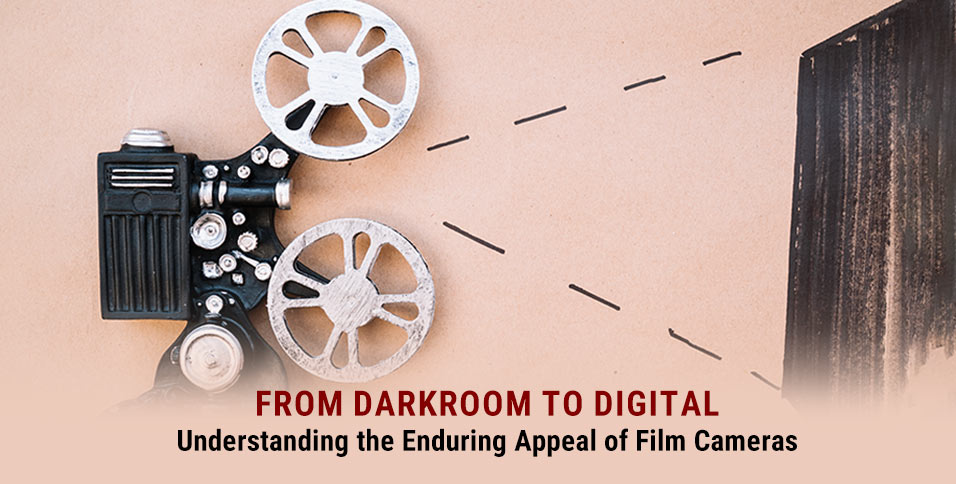
The darkroom may feel like a relic of the past, but it’s also where many iconic visuals were born. What’s fascinating is how these traditional processes continue to inspire, even as technology races forward. Film forces a different mindset. With no LCD screen for instant feedback, every frame becomes more deliberate. Composition, exposure, timing—these choices matter in a way that digital convenience can sometimes overshadow.
That pause before each shot does more than slow the process. It sharpens focus. It cultivates patience. It trains the eye to see more and shoot less. That’s why film often appeals so strongly to those looking to deepen their artistic approach, especially when exploring portraiture, landscapes, or even experimental photography.
The Atmosphere Changer: Film’s Unique Visual Signature
One of the most captivating things about film is how it subtly shifts the ambiance of a photo. Even when recreating a familiar scene, film renders it differently—softer shadows, creamier highlights, more nuanced contrast. There’s texture to it. Grain isn’t a flaw here, it’s character.
Whether it’s the rich tones of medium format or the vibrant unpredictability of expired 35mm rolls, film doesn’t just record a moment, it translates it. A street corner looks moodier. A simple portrait feels timeless. An ordinary sky becomes cinematic. The camera becomes less of a tool and more of a collaborator.
It’s no wonder so many directors, fashion photographers, and visual storytellers use film when they want their work to stand out. When the visuals need a certain weight, a certain truth—you can feel it in the frame.
The Creative Transfer: Vision to Result, One Frame at a Time
Getting what’s in your mind’s eye onto the final print or scan isn’t always straightforward. That’s the beauty of film. It introduces layers of interaction between the artist and the result. Choosing the right film stock, manipulating exposure, playing with manual focus—every step leaves an imprint.
This hands-on relationship builds a bridge between creative vision and final outcome. It forces thoughtfulness, but also allows for beautiful surprises. Sometimes, a slightly underexposed frame turns out moodier than expected—in the best possible way. Sometimes, that odd lighting scenario creates an image that digital sensors would have flattened.
Film encourages experimentation not by offering unlimited tries, but by rewarding careful risk. That’s why many beginners find it so empowering. Learning on film can feel like learning on a tighterrope—with fewer attempts, but more growth with each step.
Quality Tools, Quality Results: Why the Right Camera Matters
Getting started with film photography doesn’t require the most expensive setup on the market, but investing in a quality film camera—whether new or well-preserved vintage—can elevate the experience and the outcome. A reliable light meter, smooth focus ring, sharp lens glass—it all contributes to how faithfully the camera translates a scene to film.
For those chasing a professional path in photography or cinematography, having a film camera in the kit can be a major asset. Not only does it demonstrate an understanding of the craft, but it also opens up creative opportunities that digital sometimes can’t match. Even for casual creatives, the step toward a solid film setup can reignite passion for visual storytelling.
Think of it as more than just a purchase. It’s an entry point into a different creative rhythm. Into learning the technical and emotional language of imagery on a deeper level.
Why Film Still Feels Personal, Even in a Mass-Produced World
There’s something refreshing about the tactile nature of film in an age where everything lives in the cloud. Loading a roll, advancing the frame, feeling the weight of the camera—it grounds the process. The images captured feel more earned. More permanent.
Even scanning or printing introduces physicality and craft into what could otherwise be a tap-and-upload scenario. And that matters. In a digital sea of instant snapshots, a film photo carries intention. It says, “This was worth the wait.”
Many who dip into film find that it not only changes how they shoot—it changes how they see. Details become more noticeable. Light becomes more expressive. Moments slow down just enough to be appreciated.
A Timeless Companion for a Modern Creative
For anyone wondering whether film cameras still have a place in a hyper-digital world, the answer isn’t just yes—it’s why wouldn’t they? The atmosphere, the aesthetic, the learning curve, the tactile involvement—film offers a creative partnership that’s hard to replicate.
Beginners find clarity in the limits. Experts find new nuance in the process. And everyone who picks up a film camera finds a bit of themselves in what they create.
Because film doesn’t just take pictures. It helps craft visions. One frame at a time.
Also Read: Leveraging Wondershare Filmora AI Audio to Video for Creating Engaging History Lessons