The fashion dropshipping scene is growing more and more competitive as retailers scramble to stand out in a crowded space to earn the business of the world’s fashion-conscious consumers. Small retailers have many barriers, getting lost in a sea of established brands, taking inventory risks, and meeting customers’ expectations. But customization has become a potent differentiator that can turn these obstacles into opportunities. Through the adoption of white-label techniques and affordable personalization options, independent retailers can develop appealing unique selling propositions to match the needs of today’s fashion-savvy shoppers. This step-by-step guide delves through actionable tactics to take your fashion dropshipping business to the next level with personalization, providing you with clear steps to apply these strategies without slowing your growth and profits. Whether you’re just starting or scaling your current operation, these proven strategies will help you make a name for yourself in the competitive fashion e-commerce industry.
Understanding Fashion Dropshipping and Market Challenges
The fashion e-commerce scene is changing quickly, what with e-tail sales at an all-time high and consumers sending their shopping habits online at a galloping pace. Amid so much competition, it’s important for small retailers who are trying their hand at dropshipping to differentiate themselves, with established brands and other companies for the most part dominating the market. Key challenges include achieving supplier price points while saving profit margin, dealing with customer shipping expectations, and creating brand authenticity in lieu of the ability to control the physical product. The increasing expense of customer acquisition via digital marketing channels places additional pressure on budgets, and inventory management dangers can put companies at risk. And yet these challenges are opportunities for retailers that know how to target deep and narrow market segments. Today, a fashion dropshipping entrepreneur has to be proactive about spotting new trends and creating relevant niche stores around them, optimizing inventory through data analysis and targeting niche demographics with killer USPs. Through concentrating on niche markets, or targeting very specific consumer pain points, small retailers are able to create sustainable differences in satisfying customer needs in a highly competitive fashion market.
White-Label Dropshipping: Your Branding Advantage
Benefits of White-Label Strategies
However, white-label dropshipping is an even bigger leap from what traditionally exists, enabling retailers to not only sell products under their own brand name, but to have fulfillment handled by a third party. What separates traditional dropshipping from white labeling is the fact that instead of generic products arriving with supplier branding, you have total control over your brand from packaging to the overall customer experience. Instead, it forges long-term connections with its customers by maintaining a strong and unified brand presence at all its touchpoints. When you think about StyleVibe, who were a plain fashion reseller successfully implementing white-labeling and becoming a brand, see a 40% growth of returning customers in just six months. Their branded packaging and personalized messages turned the shopping experience into just that—a true experience, one that customers went out of their way to collect at the post office, a reminder that, with branding the right way, you can escape the perceived anonymity that 99% of dropshippers are forced to live with.
Designing Custom Labels for Maximum Impact
It doesn’t take much to create professional branded packaging. Contemporary design platforms such as Canva Pro and Adobe Express have fashion label and packaging templates, and even the smallest retailers can create professional labels. The secret is to keep all branded elements consistent while being mindful of cost. Work on creating a unique and signature style with your brand colors, logo, and messaging through hang tags, packaging inserts, and shipping inserts. Begin with the core elements, like a branded thank-you card and size labels, before moving on to custom packaging as your business picks up. This tiered implementation model guarantees quality retention as well as affordable initial investment.
Addressing Product Customization Needs
On-Demand vs Pre-Made Fashion Items
The option of customizing on demand has completely changed the game of fashion dropshipping; retailers can have unique products without stocking massive inventory. Pre-fabricated products are also easily shipped and quality is assured, although tailored products drive deeper user engagement, and consumers are willing to pay a premium for a product that is built for them. Current digital print technologies allow you to personalize t-shirts, hoodies, and other accessories in more detail than ever, with 3D knitting machines and made-to-measure clothing now becoming widely available. Such technologies waste less and diminish returns due to size, but usually take longer to produce than conventional items. Clever retailers often hedge their offerings, offering pre-made goods for basic lines but customizable options for premium goods.
Top Tools for Custom Fashion Dropshipping
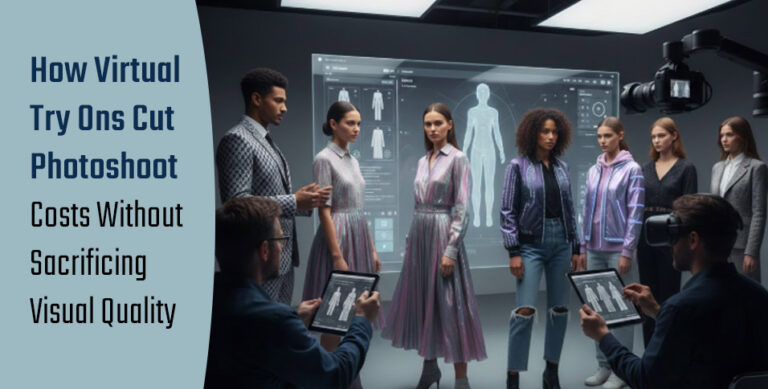
Top e-commerce providers include direct integration with design programs to make customization easy. Product customizers such as EPROLO and Shopify’s Custom Product Studio give the customer an opportunity to create a live mockup and see the end result. The order-to-production process is less cumbersome with workflow automation tools helping to route designed orders to the right print facility through automated systems. Advanced options range to virtual fitting rooms incorporating AR to enable customers to “try on” customized pieces before ordering. These are tools that dovetail into current processes via automated order management systems that remain fast while dealing with custom.
Cost-Effective Solutions for Scaling Product Offerings
Making money with fashion dropshipping is all about developing a good relationship with providers you can trust to send you quality products every time there is an order. When you scale your tailor-made fashion products, partner with factories that have white-label capabilities and minimum order quantities. Make use of several suppliers that are focused on various product categories to round out your catalog while staying in control of quality. In order to control inventory costs effectively, you should use automated stock control systems that monitor product sales and seasonal demand. Print-on-demand is a special elastic solution: use it to test new designs and literally gauge uncharted product-line listings cost-free before you invest in inventory. These services are meant to easily integrate with popular e-commerce platforms so you can easily bring new made-on-demand products to market and stay nimble. Quality inventory management software can predict demand curves and balance stock against your supplier network to mitigate stockouts and lower holding costs. And if you use these tactics in combination with good supplier choices and regular performance checks, you can grow a fashion dropshipping business that scales sustainably while remaining profitable and keeping your customers happy.
Implementation Steps for Retailers
To successfully launch a custom fashion dropshipping business, it should be a step-by-step process focused on four areas. First, find vendors that match your specific niche market and are able to provide you with a steady supply of quality products while ensuring customizations. Discover potential partners through websites such as Alibaba or Modalyst and judge them on their speed of response, quality of samples, and ability to customize. Finally, make product customization tools a seamless part of your e-commerce experience. There are many options out there, such as Printful’s Design Maker or Zakeke for shops on Shopify, to make it easier for your customers to see their custom items. Third, check for uniform branding on each custom product—from branding location to packaging materials. Produce comprehensive brand guidelines that define colors, fonts, and design elements to ensure consistency among service providers. Finally, start targeting your marketing in a way that highlights your personalization capabilities. Using social proof in the form of user-generated content of personalized products, engaging video content that displays the experience of customizing items, and email marketing to promote new ways to personalize products with your existing customer base.
Future of Fashion Dropshipping and Personalization
The world of fashion dropshipping is still growing and rapidly shifting, and it’s an exciting one for retailers that get up to speed on white-label and customization. With tailored solutions in place, small businesses can successfully stand out from mass-market rivals and create enduring brand equity. White-label models are scalable and can leverage modern customization tools that pave the way for sustained growth without a need for huge initial investment. To get started on reshaping your dropshipping business, take one key customization feature (it could be branded packaging, branded products, or custom labels) and get it just right before rolling out other options. The future of online fashion is all about personalization, as shoppers like you are seeking one-of-a-kind shopping experiences. Nowhere will this be more true than in the shoes space, and those who can crack this nut in the next couple of years will be ahead of the game in gaining market share as fashion customization accelerates. From the perspective of quality, then reliability and user experience, through good customization, you can create Shopify brands that will have their own security in the crowded field of fashion Shopify dropshipping.
Also Read: A Guide to Eric Emanuel Shorts, White Fox Hoodies, and More – The Latest Fashion Trends