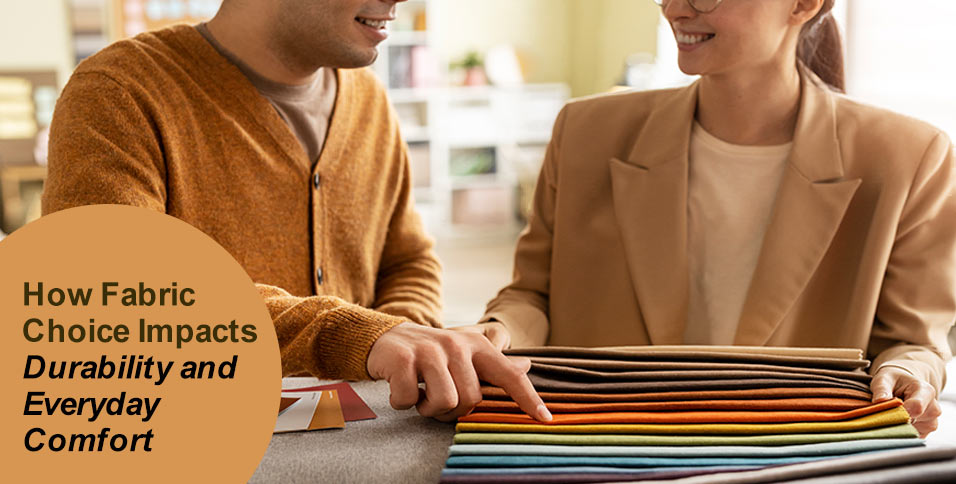
Fabric choice is very important. It decides how long an item lasts. It also decides how comfortable you feel. Understanding materials helps you buy better. This guide explains key fabrics. We focus on durability and comfort. One standout material is twill fabric. This fabric has a special weave. It creates a diagonal pattern. This pattern is not just for looks. It makes the fabric very strong. It also feels soft against the skin.
Selecting the unique Fabric
Do you need sturdy work clothes? Pick sturdy canvas or twill fabric. Do you want your house to be comfortable? Your experience is enhanced by the right decision. It improves how well your clothes fit you. Fabrics with stretch, like knits, feel freeing. Every aspect of comfort starts with the chosen material.
Key Factors That Affect Comfort in Fabric
Comfort is determined by several key factors. First is breathability. They keep you cool. Next is moisture-wicking. A lightweight fabric feels airy. A heavy fabric can feel secure but warm. Texture is critical. A rough texture can irritate. A smooth texture feels gentle. Finally, consider stretch. A little stretch, like from twill fabric blends, allows for easier movement.
- Fabric Affects Comfort
Fabric is the direct source of comfort. It is your body’s main contact point. A fabric’s hand feel is its perceived texture. This feeling dictates immediate comfort. Thermoregulation is another critical role. Fabrics help manage body temperature. Wool keeps you warm in winter. It also cools in summer. Psychological comfort is linked to fabric.
- Sturdiness and Durability
The weave also matters. Pilling is a sign of wear. It happens when short fibers break and knot. Tightly spun yarns pill less. Fabric blends can enhance durability. Polyester mixed with cotton adds strength. A durable fabric is a good investment. It saves money over time.
Caring for Your Fabrics to Extend Life
Clothes that are properly cared for last. Check the label every time. Use cold water to wash. This safeguards the fibers and colors. Turn clothes inside out. This reduces fading. Avoid high heat in dryers. Air drying is gentler. Store clothes properly.
Unknown Weave and Construction Aspects
The weave refers to the manner in which threads are interwoven. Tight weaves are more durable. Breathability is higher with a loose weave. The twill fabric weave is a perfect example. Its diagonal pattern creates durability. The weight of the fabric also matters..
Twill Fabric:
One feature of twill fabric is its straight lines. For heavy-use items, it is a great option. Twill is often used for work jackets and jeans. It reaches a balance between strength and comfort. There is suitable airflow within the structure. Because of this, it is flexible to various climates.
Cotton:
A natural favorite is cotton. It is produced from plants. This material is very breathable. It causes your body to lose moisture. You remain dry and cool as a result. It’s also simple to wash cotton. It is capable of withstanding high dryer heat. It may, however, contract. Cotton that is pure may wrinkle easily.
Linen:
Flax is the plant that produces linen. It has exceptional breathability. It works well in hot weather. The fibers of linen are quite robust. They produce a strong cloth. Every wash makes linen softer. It has a distinct, informal texture. Its tendency to wrinkle is a drawback.
Polyester:
Polyester is a long-lasting and strong fabric. It neither expands nor contracts. Drying polyester is quite quick. Wrinkling is challenging. It is less breathable, though. Heat and moisture can be retained by it. It is more comfortable when blended with cotton.
Wool:
Wool is naturally an insulator. It provides warmth during the winter. It keeps you cool throughout the summer. It is naturally fireproof. They are flexible fibers. They revert to what they were. Wool can be itchy for some people.
Silk:
Silk is a natural fiber. Silkworms manage to survive. It helps maintain body temperature regulation. Handling silk requires caution. Wearing it is suitable for special occasions. The comfort of it is distinctive. A part of its charm is this appearance. Summer suits and tablecloths are made with it.
Nylon:
Nylon is exceptionally strong. It’s also quite elastic. Chemicals and oils can’t cause harm to nylon. The transportation time is very quick. It is often used in activewear and hosiery. It is not very breathable. It can feel sticky in the heat. It is frequently blended with other fabrics. This adds strength and stretch.
Conclusion
Choosing the right fabric is essential. It balances how long your clothes last with how they feel each day. Understanding materials leads to smarter purchases. You invest in items that perform well. They suit your activities and your climate. This knowledge empowers your wardrobe choices. Your comfort and satisfaction depend on it. Make fabric a priority in every selection.