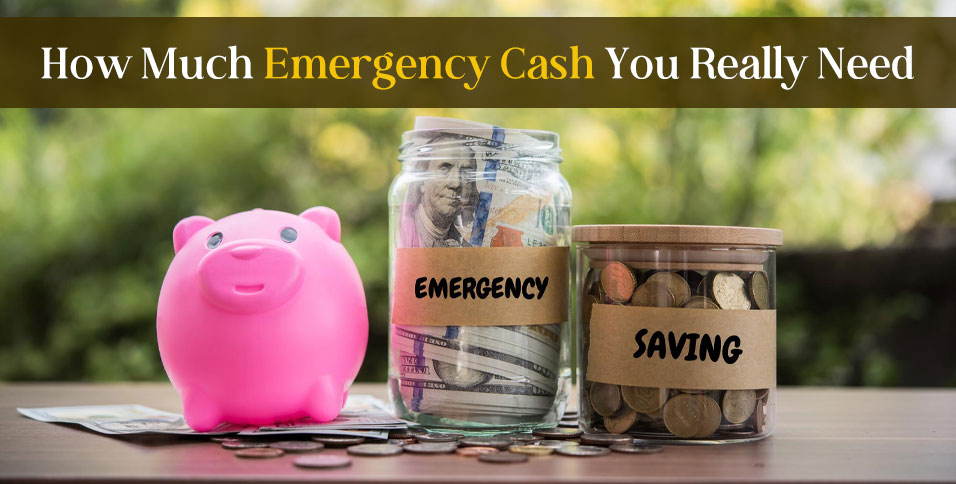
Life is unpredictable, and medical bills, rent, or sudden loss of your job can all add on to your already existing stress. But being prepared for that could be the difference between financial stress and stability. The fact of the matter is that people know it’s necessary to have an emergency fund, but they often don’t know how much they actually should keep aside.
Why the Right Number Matters
Creating an emergency fund isn’t just about saving money; it’s about ensuring peace of mind. If the amount is too small, then one small crisis can wipe you out; if it’s too large, then you miss out on future investment opportunities. As such, it’s key to find the right balance and pick an amount that suits your lifestyle. That’s where tools like an emergency savings calculator come in handy. Major platforms like SoFi offer these tools for free, and you can use them to help understand your financial needs. Doing this is crucial because each person is different and has their own financial constraints. For example, a single father with two kids will likely need a bigger emergency fund than an individual with no dependents. So, by adding your income, expenses, and other obligations to the emergency savings calculator, you get an actual idea of how much you need to save and not just some random figure.
Rule of Thumb
Financial advisors usually recommend having at least 3 to 6 months’ worth of your expenses as an emergency fund. So if your monthly expenses come out to $2000, then you ideally should have at least $6,000 to $12,000 kept aside. But again, the exact amount would differ from person to person. A person working in an extremely unpredictable industry should probably save more, about 6-9 months’ worth of expenses. On the other hand, someone who’s single with no dependents can afford to save 3 months’ worth of expenses.
Don’t Forget Hidden Expenses
Most people only consider the rent, groceries, and other utilities when making an emergency fund. While these are expenses that should be covered, there are some miscellaneous expenses that, when ignored, can hurt your fund, like your pet care, insurance, or even the servicing of your car. A quick tip for when it comes to saving money for this is to go through your previous years’ bank statements and factor in any irregular expenses you may have had, their frequency, and add those into your emergency savings calculator to get the most apt amount.
Where Do We Store the Emergency Cash?
An important point of an emergency stash of money is to make sure that you can actually access it when needed. Your funds shouldn’t be sitting in the stock market where the risk of loss is high. Instead, put the money in a:
- High Interest Savings Account
- A Fixed Deposit with Easy Withdrawal
- Other low-risk options
With these options, you get to keep your money liquid and accessible while still earning a little from it. But remember, this goal isn’t to earn high returns; it’s about keeping the money available when you need it the most.
The world is very unpredictable; anything can happen at any given moment. Having the right amount of money as a safety net is the best thing you can do for yourself; this way, you don’t get derailed from your financial goals. Instead of taking random advice, get the numbers right by using an emergency savings calculator to get the correct figure that’s right for you.