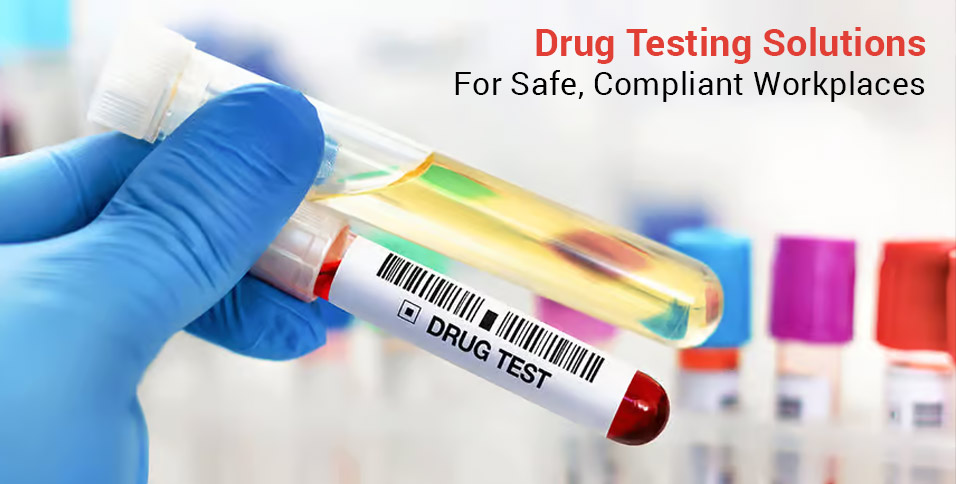
In today’s dynamic work environment, ensuring the safety and well-being of employees is paramount. One crucial aspect of this is the implementation of effective drug testing solutions. Tools such as 14 panel cups allow organizations to screen for a wide range of substances, helping identify potential risks that could hinder workplace safety and productivity. Understanding the nuances of drug testing can help organizations maintain compliant and secure operations. This article delves into the various methods of drug testing, highlights best practices for implementation, and discusses the role of technology in enhancing these solutions.
Understanding Drug Testing In The Workplace
Drug testing in the workplace serves as a preventive measure against substance abuse, ensuring that employees are fit for duty. This process not only protects the health and safety of workers but also preserves the organization’s integrity and reputation.
The Legal Landscape
The legal framework surrounding drug testing varies significantly from one jurisdiction to another. Organizations must navigate federal, state, and local regulations that dictate when and how tests may be conducted. Compliance is essential to avoid legal repercussions and maintain a fair testing environment.
The Importance of a Safe Workplace
A safe workplace fosters a culture of responsibility and accountability among employees. By integrating drug testing policies, organizations can mitigate risks associated with substance misuse, eventually enhancing productivity and employee morale.
Types Of Drug Testing Methods
Various drug testing methods are employed to detect substance abuse. The choice of method often depends on factors such as the workplace environment, the substances of concern, and the specific needs of the organization. Here are some common types:
1. Urine Testing
Urine tests are one of the most prevalent drug testing methods due to their cost-effectiveness and ability to detect a wide range of substances. They can identify recent drug use and are typically used for both pre-employment screenings and random testing.
2. Saliva Testing
Saliva testing has gained popularity for its non-invasiveness and ability to detect substances that have been used more recently. This method is especially useful for post-accident testing and random checks.
3. Hair Testing
Hair follicle tests provide a longer detection window, allowing organizations to identify substance use over the past 90 days. This method is preferred for comprehensive assessments of an employee’s drug history, though it is more expensive than other forms.
4. Blood Testing
While it is less common due to cost and the invasiveness of the process, blood testing can provide accurate current levels of substances in an individual’s system. It is primarily used in specialized situations, such as for medical evaluations.
Implementing A Compliance-Friendly Drug Testing Program
Creating a drug testing program that meets compliance standards and upholds employee rights requires careful planning. Here are several steps to consider:
1. Develop Clear Policies
Organizations should establish clear, written drug testing policies that outline the testing process, consequences of positive results, and employees’ rights. Ensuring that all employees are aware of these policies is crucial for fostering transparency.
2. Provide Training
Training supervisors and HR personnel on legal aspects, testing methods, and the handling of sensitive situations is essential. This knowledge empowers them to carry out policies effectively and fairly.
3. Maintain Confidentiality
Protecting the privacy of test results is vital. Organizations should adhere to confidentiality protocols to prevent unauthorized access to sensitive information, fostering trust among employees.
Best Practices For Drug Testing Administration
To ensure the effectiveness and fairness of drug testing programs, organizations should adopt best practices:
1. Random Testing
Implementing random testing can deter substance abuse and promote a culture of compliance. It is essential to ensure that the selection process is truly random to maintain credibility.
2. Respect Employee Rights
Respecting employees’ rights and dignity during testing is crucial. Providing a clear explanation of procedures and allowing employees to ask questions can help minimize anxiety and resistance.
3. Consistent Application
Consistency is key when conducting drug testing. Organizations should apply policies uniformly across all employees to prevent claims of discrimination or bias.
Addressing Common Challenges In Drug Testing
Organizations may encounter several challenges when implementing drug testing programs. Here are common issues and potential solutions:
1. Employee Pushback
Resistance from employees often arises from privacy concerns or misconceptions about the testing process. Educating staff on the importance and benefits of drug testing can alleviate fears and build acceptance.
2. False Positives
False positives can lead to significant issues, including wrongful termination and employee distrust. Utilizing reliable testing methods and providing retesting options can help address this concern.
3. Cost Management
The financial implications of drug testing can be a concern for organizations, especially smaller ones. Exploring partnerships with third-party providers can make the process more cost-effective without compromising accuracy.
The Role Of Technology In Drug Testing Solutions
Technology is revolutionizing the way drug testing is conducted, making it more efficient and reliable:
1. Mobile Testing Units
The introduction of mobile testing units allows organizations to conduct tests on-site, minimizing disruption and increasing convenience.
2. Electronic Records Management
Using digital platforms to manage testing records can enhance accuracy and accessibility. Electronic record keeping promotes transparency and streamlines the management of compliance documents.
3. Advanced Testing Technology
Innovations such as instant testing devices and lab-integrated systems improve the speed and reliability of results, allowing organizations to respond promptly to potential issues.
Conclusion
Incorporating drug testing solutions into workplace practices is integral to maintaining a safe and compliant environment. By understanding the types of testing methods available, implementing compliant programs, adopting best practices, and utilizing technology, organizations can effectively manage the challenges associated with substance abuse. Eventually, a proactive approach not only protects employees but also enhances overall productivity and workplace culture.