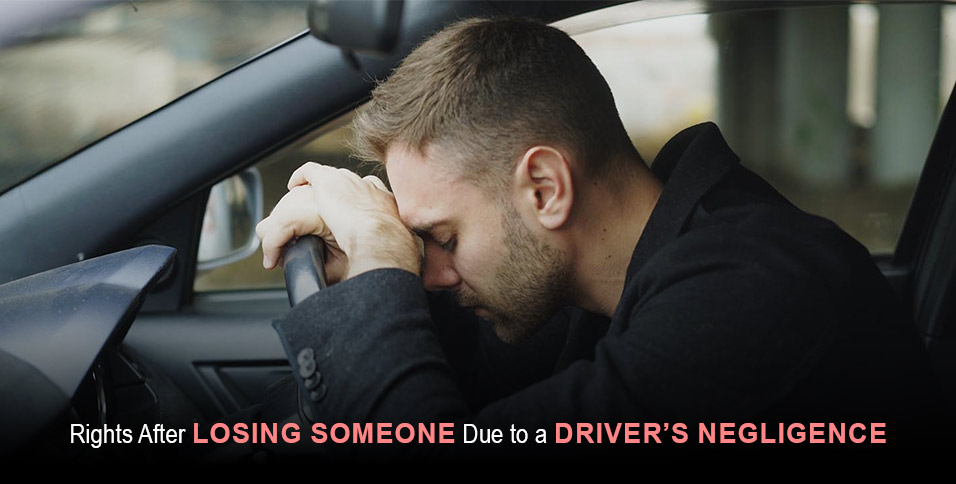
The sudden, violent emptiness that follows a fatal accident leaves an indelible mark on those left behind. Beyond the profound grief and a world irrevocably altered, there often lingers a searing question: why? When that question points to the careless actions of another driver, the layers of sorrow are compounded by a sense of injustice and a desperate need for answers. Navigating this new, painful reality involves not only grappling with emotional devastation but also confronting a complex legal landscape. Understanding the specific rights afforded to surviving family members becomes a crucial, albeit difficult, first step towards seeking accountability and some measure of stability in the wake of such a devastating and undeserved loss.
Defining Driver Negligence: What It Means in Fatal Accidents
At the core of any claim arising from a fatal accident caused by another driver lies the legal concept of negligence. In essence, negligence occurs when a driver fails to exercise the reasonable care that a prudent person would under similar circumstances, and that failure directly leads to another’s death. This “duty of care” is inherent in driving. Breaches of this duty are varied and regrettably common: a driver consumed by their phone rather than the road, an individual operating a vehicle while intoxicated, excessive speeding, disregarding traffic signals, or making reckless maneuvers like unsafe lane changes. Proving that such a breach directly caused the fatal collision is paramount. This requires meticulous investigation to link the driver’s specific negligent act to the tragic outcome, forming the foundational argument for any subsequent legal action, a task often spearheaded by a wrongful death attorney Austin.
Understanding Wrongful Death Claims: Who Can File and Why
When a death occurs due to someone else’s negligence, the law provides a specific recourse for surviving family members: a wrongful death claim. This civil action is distinct from any criminal charges that might be brought against the at-fault driver. Its purpose is twofold: first, to provide financial compensation for the profound losses experienced by the family, and second, to hold the negligent party accountable for their actions.
In many jurisdictions, including Texas, specific individuals are eligible to file such a claim, typically:
- The surviving spouse of the deceased
- The children of the deceased
- The parents of the deceased
- In some cases, the personal representative of the deceased’s estate may also initiate the claim
The eligibility criteria are precise because the law aims to address the harm suffered directly by those most intimately affected by the loss, recognizing their unique suffering and damages.
The Damages You Can Seek: Compensating for Profound Loss
The scope of a wrongful death claim extends beyond mere medical and funeral expenses; it seeks to address the multifaceted losses experienced by the survivors. These damages are broadly categorized as economic and non-economic. Economic damages encompass tangible financial losses, such as the direct costs incurred before death, including medical treatment and hospital bills, funeral and burial expenses, and, critically, the lost financial support the deceased would have provided to their family. This also includes the loss of future inheritance. Non-economic damages, while not easily quantifiable, represent the profound emotional and relational void left behind. These include the loss of companionship, comfort, society, love, and consortium, as well as the intense mental anguish and grief suffered by the surviving family members. Accurately assessing and valuing these intricate damages requires considerable legal acumen. A personal injury lawyer Austin is crucial in meticulously calculating these losses, ensuring that every dimension of the family’s suffering and financial impact is considered when pursuing justice.
Evidence is Key: Building a Strong Case
Building a successful wrongful death case hinges entirely on the quality and comprehensiveness of the evidence gathered. The initial moments and days following a fatal accident are critical for evidence preservation, as crucial details can quickly vanish. Essential pieces of evidence include the official police accident report, which often details initial findings and contributing factors. Toxicology reports can confirm impairment, while witness statements provide firsthand accounts.
An Austin car crash attorney possesses the investigative resources and legal foresight to act swiftly, secure vital information, and assemble a compelling case that establishes negligence and quantifies the family’s extensive losses.
The Legal Process: Steps in a Wrongful Death Lawsuit
Navigating a wrongful death lawsuit involves a structured series of legal steps, designed to systematically address the claim. The typical stages:
- Initial Consultation and Case Assessment: Family members discuss the accident and their situation with an attorney, who evaluates the potential merits of the claim.
- Comprehensive Investigation: If the case is viable, the attorney initiates a thorough investigation to gather all pertinent evidence, including accident reports, witness statements, and expert analyses.
- Filing the Lawsuit: A formal legal complaint is submitted to the appropriate civil court, officially initiating the lawsuit.
- Discovery Phase: Both legal teams exchange information through various formal processes, such as:
- Interrogatories: Written questions answered under oath.
- Depositions: Sworn oral testimonies given outside of court.
- Requests for Documents: Formal requests for relevant records and evidence. This phase can be lengthy and detailed.
- Mediation and Settlement Negotiations: After discovery, many cases move into mediation, where a neutral third party helps facilitate discussions and explore potential settlement agreements outside of a courtroom.
- Trial: If a mutually agreeable settlement cannot be reached through negotiation or mediation, the case will proceed to trial. During this stage, evidence is presented, and arguments are made before a judge or jury, who will ultimately render a final decision.
Conclusion
Losing someone because of another driver’s negligence is an agony no family should endure, yet the legal system offers a vital avenue for recourse and a measure of justice. While no legal outcome can erase the profound sorrow or bring a loved one back, understanding and exercising your rights in a wrongful death claim can provide essential financial stability and, crucially, a sense of accountability. This process allows families to gain answers, ensuring that the responsible party is held to account for their actions. By seeking timely and knowledgeable legal guidance, bereaved families can navigate the complexities of their situation with support, empowering them to focus on rebuilding their lives and finding a path forward, sustained by the knowledge that justice has been pursued.
Also Read: What Are Your Rights If An Underage Drunk Driver Injures You?