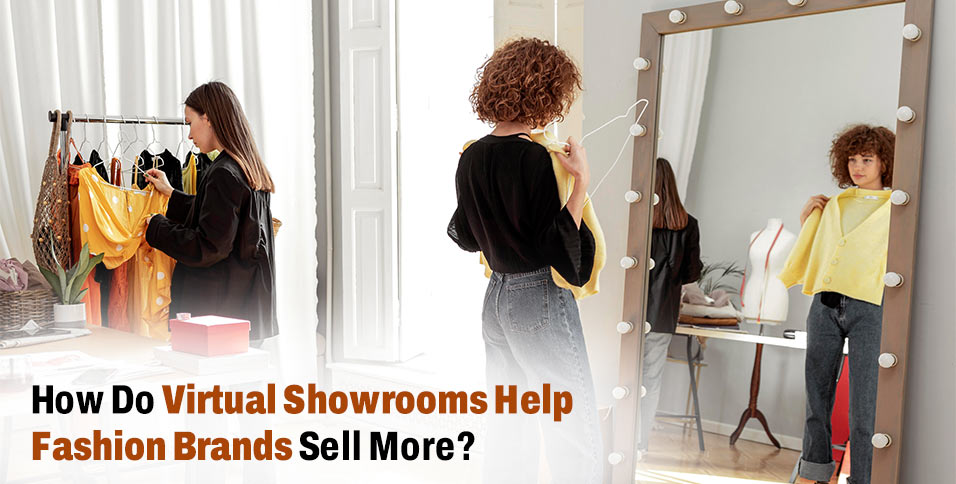
A virtual showroom helps you sell more by making B2B buying faster, clearer, and easier at scale. It opens doors to more qualified retailers around the world, delivers a smoother wholesale experience with rich visuals and live inventory, and cuts the cost and time tied to physical samples and travel. Brands that adopt virtual showrooms report stronger order volume, higher reorders, and leaner sales operations because buyers can discover, build assortments, and place orders any time, from anywhere. Real-world case studies show big gains, including cost reductions of up to 80 percent and measurable lifts in reorders and sales velocity.
You will also see efficiency and sustainability gains. Digital sampling can reduce sample production and shipping costs by more than 60 percent and cut the carbon footprint of a single sample by as much as 96 percent when you replace a physical prototype with a digital equivalent. Those savings directly support healthier margins and faster go-to-market.
What is a Digital Showroom in Fashion?
A digital showroom is a private, branded space where you present collections to wholesale buyers online. Think of it as your best physical showroom and line sheets brought to life on a screen. Buyers can spin 3D models, zoom into fabrics, check size runs, view real pricing and delivery windows, build assortments, and submit orders in one flow. Unlike e-commerce, which serves end consumers, a virtual fashion showroom is built for B2B wholesale. It mirrors the selling appointment, but with interactive tools, shared notes, and real-time order capture.
In a physical showroom, a buyer flips through racks and samples. In a virtual showroom, the buyer filters looks by delivery, price band, or theme, assembles a board, sees the margin math, and confirms quantities without spreadsheets. The result is a clearer, faster path from presentation to purchase order.
Platforms like JOOR package all of this with integrations to PLM and ERP, digital linesheets, embedded payments, and retailer discovery.
Why Fashion Brands Are Turning to Digital Showrooms
Three forces pushed digital showrooms from “nice to have” to standard practice.
- Time and cost pressure. Travel, sample sets, and multiple market weeks are expensive. Digital sampling and remote selling trim those costs and free budgets for product and marketing. Independent analyses show more than 60 percent savings on sample production and shipping, with dramatic emissions reductions when samples go digital.
- Anytime, anywhere buying. Retailers now expect to preview and place orders outside traditional markets. Virtual showrooms let you run rolling appointments across time zones and keep the line visible long after a trade show ends.
- Post-pandemic buying habits. Even as travel resumed, many buyers kept the digital behaviors they learned. Executive surveys show cautious consumer demand, so brands are focusing on efficiency and precision. Digital wholesale tools help you plan buys with real data and move faster when demand shifts.
The bigger industry context also matters. Apparel remains a multi-trillion dollar market, and small percentage gains in conversion or margin can mean a lot of revenue. In 2025, global apparel is valued at roughly 1.84 trillion dollars, so operational improvements that increase sell-in or reduce cost can move the needle.
Key Ways Digital Showrooms Help Fashion Brands Sell More
Expanding Global Reach
Virtual showrooms remove geography from your wholesale plan. You can meet more retailers in more markets without shipping full sample sets or booking travel.
Stores can revisit looks between market weeks and share them internally without waiting for a new PDF.
Brands using JOOR report real gains. For example, Loake saw a 20% lift in in-season reorders after moving to a digital flow.
If you want an easy on-ramp, try a B2B virtual fashion showroom. It is built to scale outreach without travel and makes the “virtual showroom benefits” real in daily selling.
A digital approach also benefits smaller or remote retailers who could not always attend market week. Digitization levels the playing field by giving them direct access to collections and clear ordering workflows. The net effect is more qualified doors in your pipeline and a healthier wholesale mix.
Enabling a Seamless Buying Experience
Buyer experience sells. In a virtual showroom, you can group looks by story, delivery, or color, then let buyers drag items into carts or boards. Live inventory, pack sizes, and minimums are visible. Many platforms tie directly into ERP or PLM so data stays clean.
Buyers want a smooth path from discovery to order. When your showroom connects to a wholesale platform for fashion brands, buyers see up-to-date data and you cut back-and-forth emails. A guided digital flow reduces mistakes and speeds confirmations, which increases conversion per appointment.
Reducing Costs and Increasing Margins
Savings show up in three places.
- Samples. Digital samples cut both production and shipping costs by over 60 percent on average in reported analyses, and drastically reduce waste. One sustainability case study estimated a 96 percent drop in emissions per sample when switching from a physical prototype to a digital one.
- Operations. Several JOOR customer stories cite up to an 80 percent reduction in operational costs connected to order capture and processing. Less manual data entry and fewer errors mean lower overhead per dollar of sell-in.
- Travel and show builds. You can replace some market trips and temporary showroom builds with digital appointments, then reserve travel for strategic moments. The margin effect compounds over a season.
Lower cost per order gives you room to invest in product, content, and retailer support. That margin lift is one way digital showrooms indirectly help you sell more.
Data-Driven Sales Decisions
Wholesale teams make better calls when they see what buyers do inside a virtual showroom. Track which looks attract views and adds to cart, which price points get traction by region, and where drop-offs happen in the order flow. Over time you will tune assortments, adjust minimums, and schedule deliveries that fit buying patterns.
Industry reporting supports a broader shift toward data-led merchandising and faster reaction cycles. Brands that combine digital presentation with analytics respond more quickly to demand signals, which reduces overbuy and improves sell-through at retail.
Strengthening Buyer Relationships
It is easier to stay close to accounts when your showroom lives online. Send personal boards after appointments, share quick recaps, and refresh images before deliveries. Buyers can revisit assortments on their schedule and share with their teams without waiting for new files. That steady, helpful cadence builds trust, increases average order value, and speeds reorders.
How to Implement a Digital Showroom for Your Fashion Brand
Choose a platform
List your must-haves. Do you need advanced B2B order taking, digital linesheet software, retailer discovery, embedded payments and deep erp integrations . Shortlist vendors that offer those features and read their client stories to gauge outcomes.
Gather your product assets (images, descriptions, pricing)
Start with clean product data. Prepare consistent imagery on neutral backgrounds, short motion clips for drape, and 3D assets for hero styles. Confirm style codes, size runs, wholesale prices, delivery windows, and pack rules. If you plan to test digital samples, align with design and production on how virtual prototypes will be approved. Studies show that digital sampling can meaningfully lower costs and carbon, which makes your business case stronger.
Train your sales and merchandising teams
Run internal demos like you would for a new system. Teach reps to build boards, share links, run virtual walkthroughs, and capture orders while on a live call. Teach merchandisers to read engagement analytics and tweak assortments between appointments. Teams adopt faster when they see how the tool helps them hit targets.
Reach your buyers showing your digital showroom
Launch your digital fashion showroom easily.. Showcase clothing online, attract wholesale buyers, and grow your business.
The Future of Digital Showrooms in Fashion
Three trends will make virtual showrooms even more valuable.
- AI assistance. Expect smarter recommendations for buyers and reps. Systems will suggest bundles by region, predict likely reorders, and auto-draft linesheets that match a store’s past performance. This follows a wider push toward data-driven merchandising across e-commerce and wholesale.
- Richer immersion. As the immersive fashion market grows, 3D and AR try-ons for buyers will feel more natural. That means better visualization on fit and finishing without waiting for samples.
- Sustainability at scale. Digital samples and remote selling can shrink material waste and travel. Analyses already show large cost reductions and emissions benefits, and this will keep improving as workflows mature.
Conclusion
Digital showrooms help fashion brands sell more by expanding reach, improving the buyer experience, shrinking costs, and guiding smarter decisions with data. They keep your line in front of retailers around the clock, reduce the friction between a look and a purchase order, and open clear paths to margin gains through digital sampling and leaner operations.
If you are exploring your options, start simple. Pick a platform that fits your stack, prepare clean assets, train your teams, test with a friendly buyer group, and iterate. Digital showrooms are not a one-season trend. They are a practical way to sell more, spend less, and build lasting buyer relationships.