
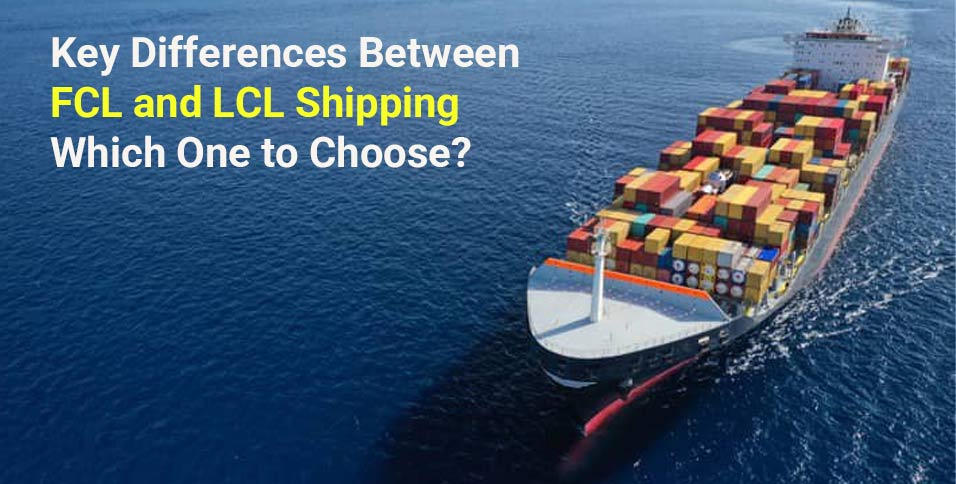
For businesses navigating the complexities of shipping cargo across borders, one key decision arises early on – FCL or LCL? These terms stand for Full Container Load (FCL) and Less than Container Load (LCL), and understanding their differences can streamline logistics and optimize costs. Digital platforms like https://shipnext.com/ are making it easier than ever to organize shipments and find the best solution. Choosing the right shipping method depends on factors like load volume, cost efficiency, and time sensitivity.
What is the Difference Between FCL and LCL in Shipping Terms?
The core distinction between FCL and LCL lies in how the container space is utilized.
FCL (Full Container Load) explained:
- With FCL, a single shipment occupies the entire container.
- Ideal for businesses with large cargo volumes or those needing exclusive use of a container.
- Reduces handling as there’s no mixing with other shipments, which lowers the risk of damage.
LCL (Less than Container Load) explained:
- LCL combines shipments from various shippers within a single container.
- It’s suitable for smaller loads that don’t require a full container, often measured by CBM (cubic meters).
- While cost-efficient for low-volume freight, it involves more handling, potentially increasing transit times.
Both methods offer unique advantages depending on the nature of the shipment, its weight, and urgency.
How to Choose Between FCL and LCL: it’s in the Fine Details
When deciding between FCL and LCL, understanding the finer aspects of your shipment is essential.
Key considerations:
- Volume and weight of cargo. FCL is better suited for bulk shipments requiring full container capacity. LCL works well for cargo under 15 CBM (around 500 cubic feet).
- Time sensitivity. FCL shipments are typically faster since they don’t require consolidation or deconsolidation. LCL can take longer due to the added handling at ports.
- Handling requirements. Fragile or high-value goods benefit from FCL as they avoid the risks of shared space.
Practical example to guide your choice:
- High volume and urgent. Go for FCL to ensure timely delivery and dedicated container use.
- Low volume and budget-friendly. Opt for LCL to save costs on smaller cargo loads.
Platforms like Shipnext can simplify this decision process, helping you weigh the advantages of each method for your specific shipping needs.
Which is Cheaper, LCL or FCL?
Cost often drives the decision between FCL and LCL. The economic value of each depends on shipment size, weight, and how costs are calculated.
- The cost structure for FCL. Charges are based on a full container rate, regardless of whether the space is fully utilized. This makes it more affordable for larger loads that can occupy the entire container.
- The cost structure for LCL. Prices are calculated by CBM or weight, meaning you only pay for the space your cargo occupies within the container. However, additional costs may apply for consolidation, handling, and longer transit times.
Consider this rule of thumb:
- Shipments exceeding 15 CBM are generally cheaper with FCL.
- For smaller loads under this threshold, LCL is often more economical.
By taking these factors into account, companies can balance cost with efficiency, ensuring they select the best method.
Conclusion
Choosing between FCL and LCL shipping depends on the size, cost expectations, and urgency of your shipments. FCL offers exclusive container use, reducing risks and faster delivery times, while LCL is cost-efficient and perfect for smaller loads. Both methods have their place in global logistics. Shipnext makes evaluating these options seamless.By carefully assessing cargo volume, weight, and budget against shipping timelines, businesses can make informed decisions to optimize freight operations. Whether it’s a full container or a shared load, picking the right method ensures smoother operations and cost-efficient business outcomes.








