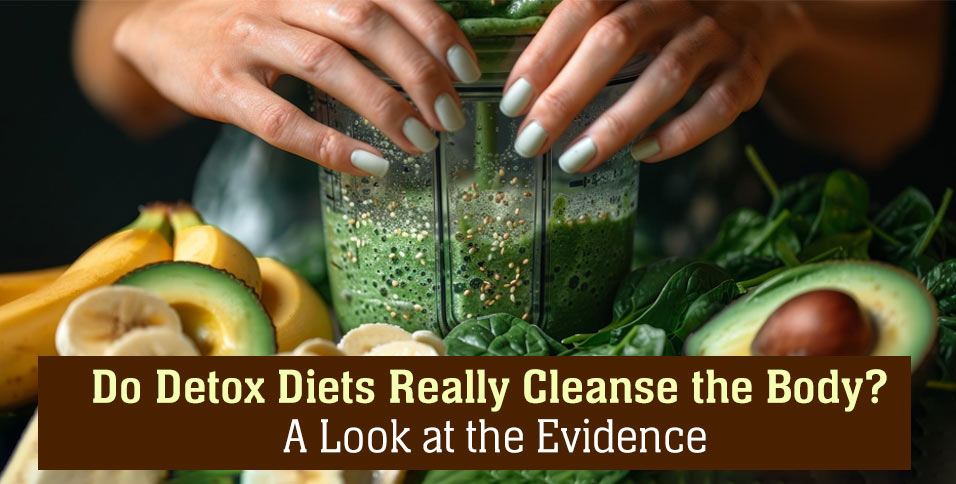
In recent years, “detox” programs have become a popular way for people to reset their bodies and minds. Social media feeds and wellness blogs often showcase colorful juices, herbal teas, and plant-based meals, all promising to flush out toxins and leave the body feeling renewed. But does the science behind these regimens actually support their claims? And what role do so-called detox aids like zeolite or bentonite play?
What Is a Detox Diet?
A “detox” or “cleanse” generally refers to a short-term dietary program aimed at eliminating toxins from the body. The methods vary widely. Some plans resemble traditional fasting, involving only liquids such as vegetable broths, herbal teas, or fresh-pressed juices. Others emphasize “alkaline” or “clean” eating — focusing on unprocessed, plant-based foods and avoiding sugar, caffeine, alcohol, and highly processed products.
Typical detox routines range from a single “detox day” per week to full programs lasting several days or weeks. Many start with bowel cleansing, followed by days of juice or raw food intake, and end with the gradual reintroduction of solid meals. Supportive activities — like saunas, massages, yoga, or meditation — are often included to enhance the perceived effect.
How the Body Actually Detoxifies
From a biological perspective, detoxification isn’t something the body needs external help with under normal conditions. The liver, kidneys, lungs, intestines, and skin already manage the continuous removal of unwanted substances. These organs metabolize or excrete environmental chemicals, metabolic waste, and other compounds naturally and efficiently.
Detox advocates argue that modern life exposes people to unprecedented levels of pollutants — from food additives and pesticides to microplastics and air pollution — and that this overloads the body’s natural cleansing systems. However, current scientific evidence does not support the idea that these substances accumulate as “slags” or “toxins” that must be flushed out through special diets or supplements.
The Appeal of the Detox Trend
Despite limited scientific backing, detox programs remain popular for several reasons. They offer a structured opportunity to slow down, reset eating habits, and reflect on lifestyle choices. People often report feeling lighter, more energetic, and mentally clearer after a few days of clean eating and rest. Some of these benefits likely come from reducing processed food, sugar, caffeine, and alcohol — rather than from any true “detox” effect.
Short-term fasting or calorie restriction can also promote a sense of discipline and mindfulness, creating space for healthier habits to take root. However, experts caution that extreme fasting or juice-only diets may cause fatigue, dizziness, nutrient deficiencies, and rapid weight loss followed by a rebound effect.
The Difference Between Detox and Therapeutic Fasting
It’s worth distinguishing modern detox diets from medically recognized fasting practices. Therapeutic fasting — also called “healing fasts” — has a long history and can, under supervision, offer benefits for metabolic health, blood sugar control, and inflammation. In these programs, participants consume small amounts of vegetable broth or diluted juices for one to two weeks under medical guidance.
Intermittent fasting is another evidence-supported approach. Studies suggest that limiting food intake to specific time windows or alternating between fasting and eating days can improve metabolic markers, reduce insulin resistance, and support weight management. These effects arise not from toxin elimination, but from shifts in metabolism and hormonal balance.
Common Detox Foods and Drinks
Most detox regimens emphasize foods that are easy to digest, rich in water, and low in additives. Fresh fruits and vegetables form the foundation — particularly greens such as spinach, kale, and broccoli, as well as citrus fruits, berries, and herbs. Other frequently recommended items include legumes, nuts, seeds, and plant oils.
A popular example is the “green smoothie,” typically made with leafy greens, fruit, and water. Such drinks can provide vitamins, minerals, and fiber, though relying solely on liquids for extended periods can deprive the body of protein, essential fats, and other nutrients.
Hydration plays a central role in any cleanse. Adults generally need around two to three liters of fluid per day, part of which comes from food. During fasting or detox phases, extra water and herbal tea are encouraged to compensate for reduced food intake.
Are Detox Products Necessary?
The booming detox market includes a wide range of commercial products — from teas and supplements to skin creams and bath salts. Some claim to support liver function or remove heavy metals from the body. However, most of these products lack rigorous scientific validation.
Among the most discussed natural substances in this context are zeolite and bentonite, two types of mineral clays thought to bind toxins in the digestive tract. While certain laboratory studies have explored their adsorption properties, clinical evidence in humans remains limited. Consumers can explore more about these minerals and their available forms through resources such as Zeolith-Bentonit-Versand.
For those interested in deeper medical insight, the Memorial Sloan Kettering Cancer Center provides an overview of zeolite and its potential interactions within integrative medicine: MSKCC Zeolite Overview. Their review highlights that, although zeolites show promise in absorbing certain compounds, scientific research in humans is still insufficient to confirm detox or therapeutic benefits.
Potential Benefits and Risks
Even if detox diets do not truly “cleanse” the body in the literal sense, some people may still experience indirect benefits. The structured approach encourages mindfulness, reduced stress, and increased consumption of whole foods — all positive lifestyle adjustments. When the focus is on balance rather than deprivation, a detox period can become a springboard for long-term healthy eating.
However, there are also risks. Very low-calorie diets can cause headaches, dizziness, and muscle weakness. People with diabetes, kidney disease, or other chronic conditions should avoid fasting or restrictive programs without medical supervision. Pregnant or breastfeeding women are also advised against such practices.
Another issue is the “yo-yo effect”: rapid weight loss during detox is mostly due to water and glycogen loss, which is quickly regained once normal eating resumes. Over time, repeated extreme dieting can slow metabolism and make sustainable weight management harder.
What the Science Says
To date, no credible clinical evidence shows that detox diets remove toxins, prevent illness, or accelerate the body’s natural cleansing processes. Systematic reviews and position statements from organizations like the German Nutrition Society (DGE) and other health authorities conclude that a balanced diet, adequate hydration, regular exercise, and sufficient sleep are the most effective ways to support the body’s own detox systems.
That doesn’t mean short, mindful resets have no place. For many, a few days of simple, plant-based meals and reduced digital or emotional overload provide a valuable psychological rest. The benefits, though, arise from lifestyle simplification and reduced stress — not from the elimination of mysterious toxins.
Bottom Line
The idea of purifying the body through special diets is appealing, but science tells a more modest story. Our bodies are equipped with efficient detoxification systems that work continuously without outside assistance. While detox programs can serve as mindful pauses and promote healthier habits, they are not a cure-all.
If you choose to experiment with fasting or natural supplements, approach it with realistic expectations and consult a healthcare professional — especially if you have existing medical conditions. Ultimately, a consistent, balanced way of living is the most reliable “detox” there is.