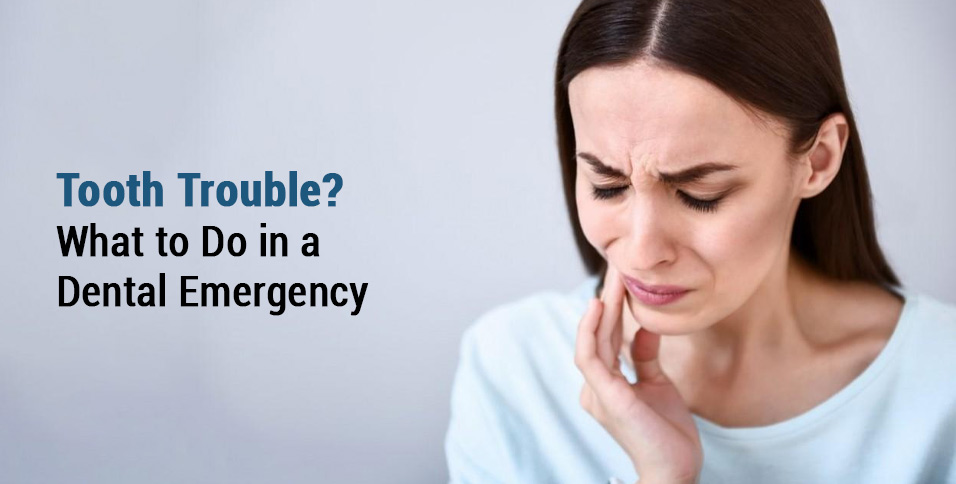
A sudden, sharp pain in your tooth or an unexpected dental injury can be alarming. Knowing how to react can make a significant difference in saving your tooth and managing discomfort. While some dental issues can wait for a regular appointment, others require immediate attention. This guide will walk you through the essential first steps for handling common dental emergencies and help you determine when to seek professional care.
Recognizing a Dental Emergency
Not every dental problem is an emergency. It’s important to distinguish between an issue that needs urgent care and one that can be addressed during normal business hours. You likely have a dental emergency if you are experiencing any of the following:
- Severe, persistent toothache
- A knocked-out tooth
- A loose or partially dislodged permanent tooth
- A cracked, fractured, or broken tooth causing significant pain
- An abscess or serious infection with swelling in the face or gums
- Uncontrolled bleeding from the mouth
If you’re unsure, it is always best to contact a dental professional for guidance.
First Aid for Common Dental Issues
Taking the right actions immediately can prevent further damage and alleviate pain. Here’s what to do for specific dental emergencies before you can get to a dentist.
Severe Toothache
A toothache can have many causes, from a piece of food stuck between teeth to a serious infection. Start by rinsing your mouth with warm salt water to clean the area. Gently floss to remove any trapped food particles that might be causing the pain. You can apply a cold compress to the outside of your cheek to reduce swelling and numb the area. Avoid placing pain relievers directly on the gums, as this can burn the tissue.
Knocked-Out Tooth
Time is critical when a permanent tooth is knocked out. With quick action, the tooth can often be saved.
- Handle with Care: Pick up the tooth by the crown (the chewing surface), not the root. Avoid touching the root as much as possible.
- Clean Gently: If the tooth is dirty, rinse it briefly with milk or a saline solution. Do not use soap, and do not scrub or wipe it.
- Reinsert if Possible: Try to place the tooth back into its socket. Hold it in place by gently biting down on a piece of gauze or a clean cloth.
- Keep it Moist: If you cannot reinsert the tooth, place it in a small container of milk or your own saliva. Do not use water, as it can damage the root cells.
After taking these steps, you must see a dentist immediately. The sooner you receive professional care, the higher the chance of saving the tooth.
Cracked or Broken Tooth
A cracked or broken tooth can range from a minor cosmetic issue to a severe problem requiring urgent care. If you break a tooth, rinse your mouth with warm water immediately. If there is swelling, apply a cold compress to your face. If you can find the broken piece of the tooth, bring it with you to the dentist. The treatment will depend on the extent of the damage, but it’s important to have it evaluated to prevent infection or further breakage.
Lost Filling or Crown
Losing a filling or crown can expose the sensitive inner parts of your tooth, causing discomfort. If your crown falls off, clean it and try to slip it back over the tooth using dental cement or toothpaste as a temporary adhesive. Never use super glue. If you lose a filling, you can temporarily cover the cavity with a piece of sugar-free gum or over-the-counter dental cement. In either case, schedule a dental visit as soon as possible to get a permanent solution.
When to Seek Professional Help
While first aid is helpful, it is not a substitute for professional dental care. For issues like a knocked-out tooth, severe pain, or an abscess, immediate attention is necessary. If you experience a dental emergency after hours or on a weekend, finding a clinic that offers urgent services is crucial. For instance, if you require immediate assistance, looking for a 24 hour emergency dentist in Inglewood CA can provide the prompt care required to address your situation effectively. Do not delay treatment, as waiting can lead to more complex problems, including widespread infection or tooth loss.