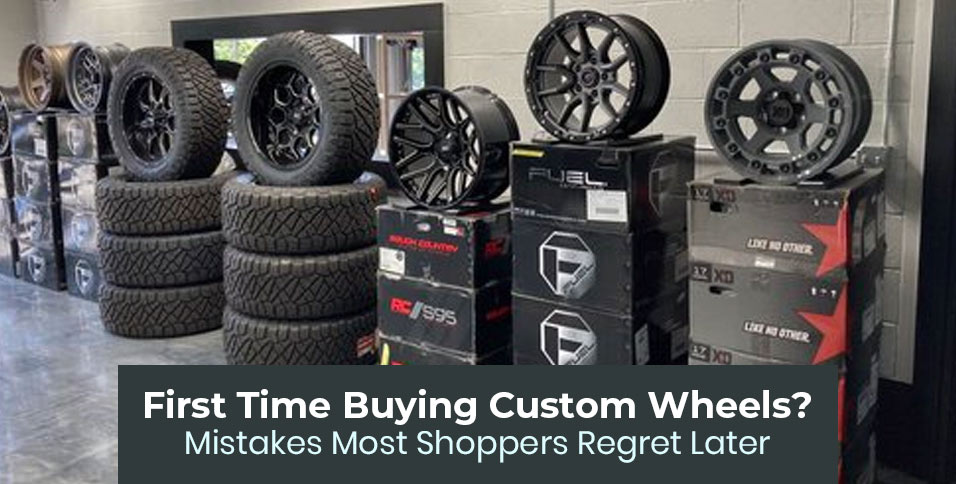
Custom wheels influence far more than appearance, reshaping how a vehicle feels on every road. Properly chosen sets sharpen cornering, refine braking feedback, and preserve comfort, while poor selections bring rubbing, vibration, and unexpected repair costs. Many first-time buyers fall into the trap of choosing based on looks alone, missing the technical side that determines long-term satisfaction.
Specifications such as bolt pattern, offset, and wheel weight hold greater importance than paint or spoke design. Budget planning, installer quality, and upkeep considerations also carry lasting consequences. A thoughtful approach leads to wheels that add both confidence and value, rewarding drivers with sharper response and reliability long after the initial excitement of installation fades.
Fitment Is the First Test, Not the Last Step
A wheel that looks stylish but doesn’t fit correctly can turn excitement into repair bills. For buyers of custom wheels, appearance often overshadows the importance of proper clearance with calipers, suspension, and fenders. Four specifications ultimately control compatibility: bolt pattern, offset, center bore, and diameter. Getting them wrong leads to headaches no finish or design can hide.
Fitment tools online make it easy to compare against factory specs, but an experienced installer often spots issues such as liner interference or steering stop limits that software misses. Since backspacing and offset influence stance and brake clearance, even small errors may cause rubbing, uneven wear, or bearing strain. Keeping OEM measurements nearby, with hub-centric rings for small mismatches, avoids most problems.
Overlooking the True Cost Beyond the Sticker Price
The number printed on the box often represents only a portion of the expense. Mounting, balancing, and alignment alone can add several hundred dollars, while TPMS sensor transfers, hub-centric rings, and extended lug nuts quickly push totals higher. Even shipping becomes substantial, particularly with heavy sets that require insurance or faster handling. Buyers who focus narrowly on sticker price are often surprised by additional fees that arrive late in the process.
Planning with breathing room prevents frustration. Setting aside roughly 15–20 percent above retail covers labor, hardware, and freight, keeping the experience smoother. With expenses anticipated ahead of time, shoppers can enjoy selecting wheels without last-minute stress, knowing all costs are already accounted for.
Choosing Style Without Considering Long-Term Maintenance
Even a gorgeous finish shows costs after months of use. Powder-coated and painted wheels handle daily grime with basic washing, while polished lips and chrome need frequent polishing and are prone to pitting from salt and harsh cleaners. Dark finishes hide brake dust; pale or mirror faces show tarnish and corrosion faster.
Consider routes and storage; urban stop-and-go, salted winter roads, or long rural miles stress finishes differently. Matte or satin powder hides minor curb rash better than high-gloss surfaces, and ceramic sealants lengthen cleanable intervals. A small, regular habit — rinsing salt and grime off wheels after cold-weather trips — helps preserve finish life.
Ride and Performance Changes You Can Actually Feel
Wheel size and construction alter driving dynamics in ways that are felt daily. Larger diameters usually require thinner sidewalls, creating sharper steering response but less comfort over bumps. Added mass raises braking distances, strains components, and reduces acceleration. Even a few pounds per corner influence vehicle balance, with handling and ride quality shifting noticeably under real-world conditions.
Smarter choices reduce those drawbacks. Flow-formed or forged wheels keep weight lower, offering strength without excessive inertia. Limiting increases in diameter and keeping rolling circumference close to original prevents gearing and speedometer changes. Staying within about ten percent of stock wheel-and-tire weight helps preserve factory-like acceleration and braking while still providing sharper feedback and a sportier stance.
Picking the Wrong Seller or Installer Creates the Biggest Headaches
A weekend of chasing returns and repair bills starts when a seller’s fine print hides fitment limits. Prioritize dealers with a clear fitment guarantee and upfront return terms. Bundled options that include mounted-and-balanced service, new valve stems, and insured shipping reduce surprises and often cut total cost. Check restocking fees and request mounted photos when possible.
Installers familiar with aftermarket wheels avoid cosmetic damage and misapplied torque. They use soft-jaw tools, follow manufacturer torque patterns and confirm hub-centric seating or ring fit. Prefer shops that perform in-house balancing and provide test-drive torque checks; a good sign is a mounted-and-balanced receipt paired with post-test-drive torque readings.
Upgrading wheels is about more than aesthetics; it reshapes how a vehicle performs and how ownership feels. Proper fitment avoids costly wear, and realistic budgeting prevents unpleasant surprises during installation. Selecting finishes suited to real driving conditions makes upkeep manageable, while lighter construction protects acceleration and braking. Just as important is choosing a seller and installer who handle products with care and stand behind their work. With preparation and thoughtful choices, drivers gain not only attractive wheels but also the confidence, performance, and long-term satisfaction that make the upgrade worthwhile every time the car leaves the driveway.