The Changing Landscape of Education Infrastructure
Across the globe, schools and universities are adapting to rapid shifts in how learning environments are designed, maintained, and experienced. With technology now central to education, institutions are expected to deliver not only academic excellence but also safe, efficient, and future-ready facilities. This transformation requires leaders to look beyond traditional teaching methods and reimagine the systems that support everyday learning.
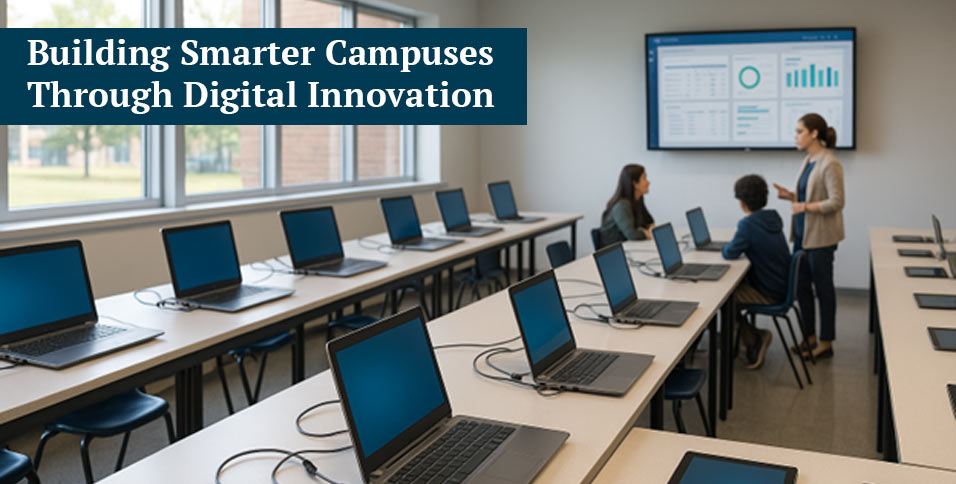
From interactive classrooms to connected labs, digital platforms are shaping how students and staff engage with resources. Yet, behind every innovative classroom lies a complex network of infrastructure: devices, equipment, furniture, and specialized tools. Managing these resources effectively has become an essential part of operational excellence.
Why Resource Oversight Matters
Schools handle a wide variety of assets—desktops, projectors, science lab instruments, musical equipment, even athletic gear. Without proper systems in place, these resources are vulnerable to misuse, neglect, or loss. This leads not only to financial waste but also to disruptions in the learning process. Educational institutions, often working within limited budgets, cannot afford inefficiencies.
This is where strategic systems for school asset tracking provide immense value. By digitizing oversight, administrators can ensure that every piece of equipment is accounted for, maintained, and utilized to its fullest potential. The goal is not simply to prevent losses, but to maximize return on investment, reduce administrative burdens, and improve student outcomes.
Digital Tools as Enablers
Technology is redefining the way schools manage their resources. Cloud-based solutions allow administrators to maintain centralized records accessible from any device, offering real-time visibility of the status and location of items. Whether it’s a tablet checked out to a classroom or a projector scheduled for maintenance, digital oversight ensures transparency.
Equally important, automated notifications and reporting functions streamline operations. Instead of chasing paperwork or manually updating spreadsheets, school leaders can focus on higher-value priorities—like curriculum development and student engagement. Data-driven insights derived from these platforms also help leaders anticipate future needs, identify underutilized assets, and plan smarter budgets.
Building a Culture of Accountability
Beyond technology, effective oversight creates a cultural shift in how resources are valued. Students, teachers, and staff develop a stronger sense of responsibility when they see transparent systems in place. Knowing that equipment is monitored encourages proper handling and discourages misuse. This also extends to the broader community, reinforcing trust among parents and stakeholders who want to see investments in education being used effectively.
When accountability becomes part of the institution’s culture, the benefits multiply. Schools experience fewer losses, smoother operations, and improved morale across departments. It becomes clear that resource management is not merely a back-office function—it is directly linked to the quality of education delivered.
Integrating Oversight with Broader Educational Goals
Educational institutions today are being asked to do more with less. With rising enrollment numbers, evolving curriculum demands, and increased reliance on technology, leaders must align operational strategies with long-term goals. Resource oversight plays a crucial role here.
For example, when schools use smart systems to track device usage, they can determine whether students have equitable access to digital tools. Data from these systems can highlight disparities and prompt targeted interventions. Similarly, accurate tracking of lab and sports equipment ensures that academic and extracurricular programs remain well-supported, helping institutions deliver a holistic learning experience.
Security and Risk Mitigation
Schools also face the challenge of protecting resources against theft, damage, or misplacement. Manual logs are no longer sufficient in today’s complex environments. Advanced oversight systems integrate features like barcode scanning, RFID tagging, and cloud-based reporting to minimize risks. These tools provide a detailed audit trail, enabling administrators to quickly identify when and where a problem occurred.
Risk management goes beyond asset security—it also includes compliance with safety standards and regulatory requirements. For instance, ensuring that lab equipment is properly maintained is not only cost-efficient but also critical for student safety. With digital oversight, schools can schedule preventive maintenance and document compliance, reducing liabilities while enhancing trust.
Financial Efficiency and Long-Term Value
Every educational institution faces pressure to optimize budgets. Resources left unmonitored lead to unnecessary expenses—whether through repeated purchases, costly emergency repairs, or underutilized investments. By adopting structured oversight practices, schools can extend the life cycle of equipment and reduce waste.
Data-driven planning allows institutions to forecast replacement needs, allocate funds strategically, and make informed purchasing decisions. This contributes to financial sustainability, enabling schools to direct more resources toward mission-critical areas like teacher training, scholarships, or infrastructure improvements.
Expanding the Scope of Innovation
The rise of digital platforms has shown that oversight can go hand-in-hand with innovation. Modern systems not only track existing resources but also integrate with other digital initiatives such as smart classrooms and campus-wide IoT networks. For instance, sensors connected to classroom devices can automatically update usage logs or send maintenance alerts.
Such integrations demonstrate that oversight is more than an administrative task—it is a driver of innovation. Schools that embrace this mindset position themselves as leaders in modern education, capable of delivering seamless experiences to both students and faculty.
Future Outlook: Preparing for Tomorrow
As the education sector continues to evolve, institutions that adopt advanced oversight solutions will be better prepared to meet new challenges. Emerging technologies such as AI and predictive analytics will further transform how schools manage their environments. Imagine a system that not only logs device usage but also predicts when equipment will fail, automatically schedules repairs, and reallocates resources in real time.
The second key benefit of modern oversight lies in scalability. Whether a small elementary school or a large university network, systems designed for school asset tracking can expand to accommodate changing needs. This flexibility ensures that institutions can grow without compromising operational efficiency.
Conclusion
The conversation around education often focuses on curriculum and teaching quality, but the foundation of effective learning environments lies in well-managed resources. Oversight systems bridge the gap between innovation and practicality, enabling schools to provide safe, efficient, and inspiring spaces. By embracing digital transformation in this domain, educational leaders can ensure that resources are not just managed—but optimized to empower the next generation of learners.