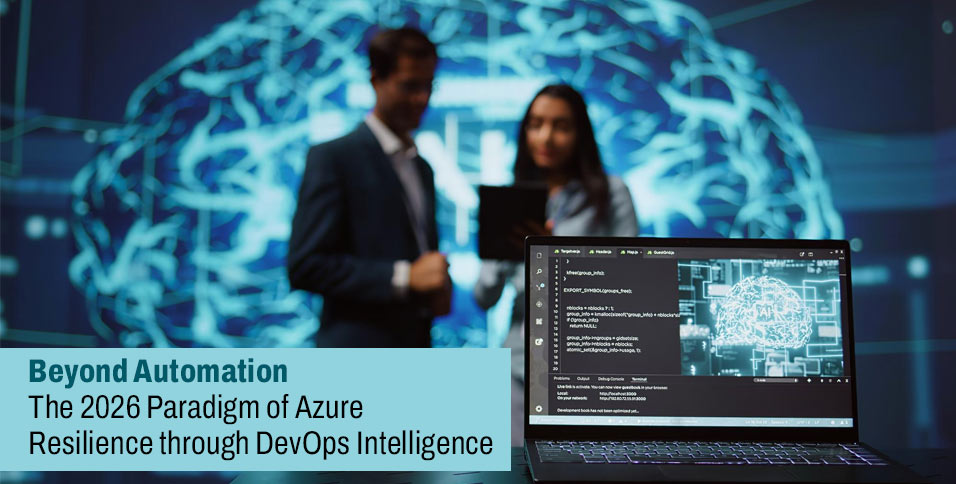
In the enterprise climate of 2026, the goal has shifted from “moving to the cloud” to “mastering cloud complexity.” As Azure environments evolve into high-density ecosystems of AI-driven microservices and global Kubernetes clusters, the traditional boundaries between development, operations, and security have dissolved.
The modern standard for digital excellence is now defined by the intersection of DevOps Consulting—which designs the strategic roadmap—and Autonomous Azure Vulnerability Scanning, which provides the real-time safety net.
1. The Architect: DevOps Consulting for Azure Transformation
Modern DevOps is no longer just about writing CI/CD scripts; it is about Platform Engineering. DevOps Consulting provides the expert blueprint to transform Azure from a collection of tools into a unified delivery product.
Core 2026 Strategic Shifts:
- Infrastructure as Code (IaC) Governance: Utilizing Bicep and Terraform to ensure environments are not just automated, but immutable. This prevents “configuration drift,” where small manual changes create massive security holes over time.
- AI-Powered Orchestration: Consultants now integrate machine learning into Azure Pipelines to predict deployment risks and trigger “Smart Rollbacks” before an error impacts a single end-user.
- The Internal Developer Portal (IDP): Designing self-service platforms where developers can spin up compliant, pre-secured Azure environments with a single command, removing the friction between “Innovation” and “Policy.”
2. The Sentry: Continuous Azure Vulnerability Scanning
While consulting builds the road, Azure Vulnerability Scanning provides the high-fidelity radar. In a landscape where new cloud assets are provisioned in milliseconds, static monthly audits are a relic of the past.
Next-generation platforms like SeqOps offer a specialized defense layer for the Microsoft ecosystem:
- Agentless Visibility: Instant, zero-touch discovery of every asset in your Azure tenant—including “Shadow IT” and forgotten storage accounts—without the performance lag of traditional software agents.
- Context-Aware Prioritization: Instead of a generic list of thousands of bugs, these scanners use AI to identify the “Critical 1%”—vulnerabilities that sit on a live, exploitable attack path to your sensitive data.
- Shift-Left Enforcement: Automatically scanning container images and IaC templates during the build phase. This ensures that a vulnerability is identified and blocked before it ever reaches the production environment.
3. The Synergy: Achieving “Shielded Velocity”
The true competitive advantage of 2026 is found in the feedback loop between strategy and security. When your DevOps roadmap is informed by real-time vulnerability data, the result is a Self-Healing Infrastructure.
| Enterprise Priority | DevOps Consulting Role | Azure Security Role |
| Global Scaling | Provisions multi-region AKS clusters. | Immediately scans new nodes for risks. |
| Cost Optimization | Rightsizes resources via FinOps. | Identifies “zombie” assets that drain budget. |
| Compliance | Implements “Compliance as Code.” | Provides 24/7 evidence for GDPR/SOC2. |
| Innovation Speed | Removes developer bottlenecks. | Acts as an automated security guardrail. |
Final Thoughts: The Future is Resilient
Innovation in 2026 is measured by the ability to move fast without breaking the business. By pairing Expert DevOps Guidance with Autonomous Azure Protection, you aren’t just protecting your data—you are building a foundation for limitless, secure growth.