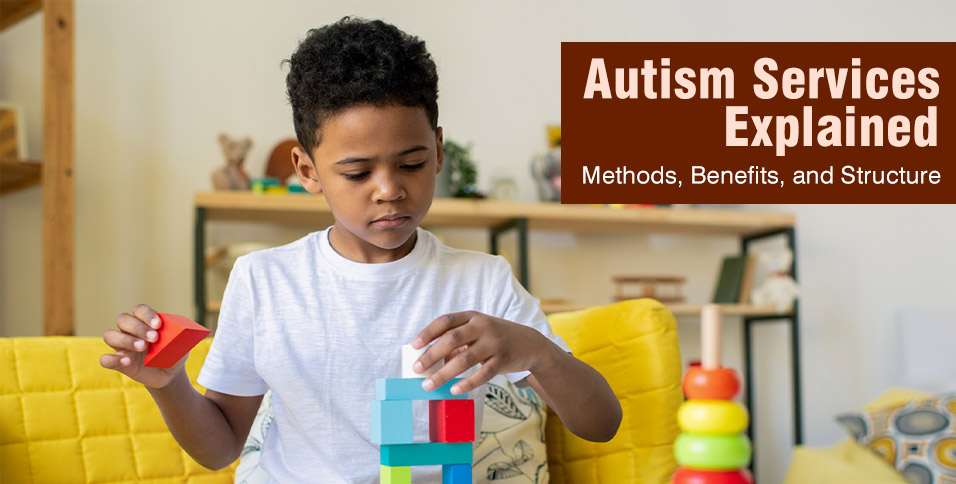
Autism services provide programs and therapies to support individuals with autism spectrum disorders. They’re designed to help children and adults build skills necessary for day-to-day living. Families are also given guidance and resources to make daily routines easier. Understanding these services can provide clarity about who can benefit from them.
Understanding Autism Spectrum Disorder
Autism spectrum disorder impacts social and communication skills and behavior. Individuals show unique strengths and challenges. Early detection of autism can lead to improved developmental outcomes for the child. When families and professionals identify the signs, it helps them select an appropriate form of support and allows children to access helpful resources.
Types of Autism Services
There are many types of autism services in North Alpharetta. In applied behavior analysis, positive reinforcement is used to reward desirable behaviors. Occupational therapy focuses on developing skills for daily functioning and independence. Speech therapy helps with development and communication skills. Social skills groups provide a safe setting for learning how to interact with others. Educational support ensures children receive accommodations to adapt to classroom environments.
Structure of Service Delivery
Services for autism typically involve a detailed plan tailored to the individual. They evaluate the person’s strengths and challenges to then develop a personalized program. Sessions can be conducted at home, in clinics, or at school. A consistent routine and clear goals will lead to incremental progress over time. Working together with families improves support.
Methods Used in Autism Services
Applied behavior analysis is a common method of teaching new skills. Tasks are divided into small, manageable steps. Visuals like charts and schedules can help people understand routines. Social stories depict common scenarios and appropriate responses. Sensory integration techniques address difficulties with sounds, textures, or lights.
Benefits for Individuals and Families
These services can provide support and increase independence and confidence for individuals with autism. Parents are taught how to support their children at home. Better communication strengthens family relationships. Children can participate more actively in school and community events. Reduced stress for caregivers leads to a more positive environment.
The Role of Collaboration and Teamwork
Typically, service providers, families, and educators all work together. Regular meetings ensure that everyone shares their updates and progress. Open communication creates trust and understanding. Shared goals ensure consistency between home and therapy sessions. Teamwork allows for timely adjustments when a strategy needs improvements.
The Importance of Early Intervention
Early support often produces the best results. Children benefit from intervention before they go to school. Early services can address speech, motor skills, or behavior problems. Quick access to help increases the chances of positive developmental change. Families who act early often see greater long-term benefits.
Challenges in Accessing Services
Families can find it difficult to access services they may need. Waiting lists may delay therapy. Insurance coverage can vary, which affects affordability. Some rural locations may not have specialized service providers. Advocacy groups can work with families and help them find resources and navigate challenges. Persistence and support can help families find suitable support.
Adapting Services for Different Needs
Every individual on the autism spectrum has different needs. Therefore, programs must be adjusted based on age, strengths, and developmental goals. Some kids need daily therapy, while others benefit more from weekly sessions. As students grow older, their educational plans must be adapted accordingly. Regular assessments ensure that services continue to be effective and appropriate.
Supporting Skills for Adulthood
Many services focus on preparing individuals for adulthood. Vocational training helps people build job-related skills. Life skills training includes things like handling finances, cooking, and using public transportation, while social coaching covers friendships and relationships. Planning for the future includes exploring housing options and community activities. Continuous support fosters independence and helps people feel accomplished.
Conclusion
Autism services offer structured assistance for individuals and their families. Tailored programs ensure that people learn essential skills and feel confident. Collaboration and early intervention increase the likelihood of positive outcomes. Families and professionals can make informed decisions by understanding available options. Reliable support enhances relationships and improves quality of life.