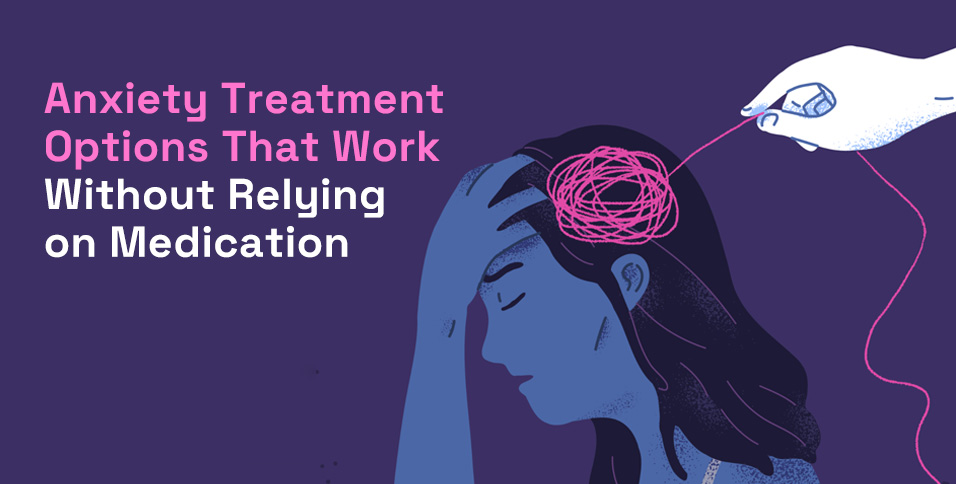
Anxiety is a common reaction we all experience today. Although medication is a standard treatment option, there are many effective non-pharmaceutical alternatives. In this post, we will discuss some practical ways to manage and deal with anxiety naturally and effectively.
Understanding Anxiety
A sensation of fear, apprehension, or impending panic characterizes anxiety. It can impact your everyday life and make simple tasks impossible. The first step in combating anxiety is to recognize that you have it! It can cause restlessness, an increase in heart rate, and make it hard to focus. The following signs can direct a person towards the right course of anxiety treatment in La Jolla.
Therapy and Counseling
Talking to a therapist provides a great environment to talk about your feelings. In particular, cognitive behavioral therapy (CBT) is very effective. It is centered on recognizing and altering negative patterns of thinking. CBT teaches people methods to be able to cope and deal with anxiety in the real world. Similarly, other types of therapy, like mindfulness-based therapy, offer their form of relief by inviting a person into the present moment.
Fitness
Exercising regularly can have a very positive influence on anxiety. Endorphins are natural mood lifters, and regular exercise can help trigger their release. Even light exercise, such as walking, swimming, or cycling, has a great impact on mental health. Making it part of your daily routine will help you sleep better and have lower stress levels. A daily walk, even for 10 minutes, can help manage your anxiety.
Mindfulness and Meditation
Most mindfulness practices advise you to direct your attention to the now. This is especially useful in managing your anxious thoughts. It calms the mind, hence reducing stress and increasing relaxation, which is precisely what meditation is about. Some techniques, like deep breathing and guided imagery, can be done anywhere, making them convenient tools for anxiety relief. Regular practice improves general mental health.
Diet and Nutrition
As with most aspects of life, nutrition is also essential for mental well-being. A healthy mind requires a balanced diet, which helps lower symptoms of anxiety. For example, omega-3 fatty acids, salmon, and walnuts help support the brain. Furthermore, avoiding caffeine and sugar can help stabilize mood. Regular, healthy meals and hydration are essential to emotional stability.
Sleep Hygiene
Good sleep is vital for reducing anxiety. Having a regular sleeping habit will improve your quality of sleep and reduce your stress. A relaxed sleeping environment prepares the body with cues that it is time for sleep. Reduce pre-bedtime screen time and use relaxation strategies for better sleep. Making time for relaxation promotes physical and mental wellness.
Social Connections
Having a firm social support system helps avoid a feeling of isolation and provides emotional support that can help with stress and anxiety in life. Time with friends and family provides support and reassurance. Participating in societies or support groups fosters a sense of community. Hearing from others, sharing experiences, and learning from them can be powerful and help you cope with anxiety.
Art and Creativity
Creative practice provides a means for expression. Works of art, including music, writing, and more, assist people in processing their emotions. These kinds of activities promote restfulness and a feeling of accomplishment. Creativity provides an outlet to escape everyday stressors, allowing one to experience one’s emotions positively.
Activity in Nature and the Outdoors
The mind calms down when in nature. Spending time outdoors, whether you hike, garden, or just walk around the block, is a highly effective way to combat stress levels. Additionally, many of us need to get out in nature, which is a great place to meditate and an opportunity to clear the mind and mood. In managing general anxiety levels, regular exposure to fresh air and natural settings helps induce calm and well-being.
Conclusion
Anxiety management without drugs requires an individualized strategy. Therapy, exercise, mindfulness, and good nutrition benefit mental health. Getting enough sleep, making friends, and engaging in creative work are also very important. With these options, you can find ways to manage anxiety without medication. A support structure can help maintain those practices and, over time, produce bigger improvements in health and well-being.
Also Read: What to Expect From an Average DVA Payout for Anxiety