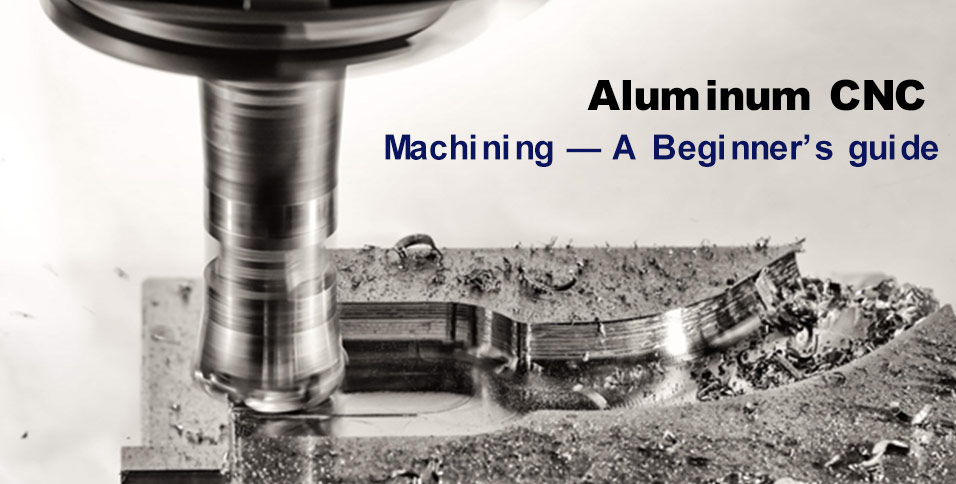
When I first explored CNC machining, selecting the right material seemed daunting. However, my early experiences highlighted aluminum’s versatility and affordability. This metal is renowned for its impressive strength-to-weight ratio and corrosion resistance, making it ideal not only for beginners but also for seasoned manufacturers.
Aluminum is extensively used across various industries, from creating sleek exterior panels for automobiles, trains, and aircraft, to forming essential components in electronic devices like smartphones and laptops. Its flexibility and reliability allow for high-quality surface finishes, crucial in structural supports in construction and fine design features in tech gadgets. Unlike heavier metals like steel and titanium, aluminum enhances fuel efficiency through lightweighting, which is a significant advantage in transportation.
Moreover, aluminum is recyclable and non-toxic, making it a responsible choice for food and drink containers, including everything from trays and lids to sachets and pouches. Its malleable nature complements its use in CNC machining, where it can be shaped into detailed, reliable components without the need for extensive anti-corrosion coatings.
Aluminum’s Origins and Processing
Aluminum, one of the most abundant elements in the Earth’s crust, is primarily derived from bauxite ore, rich in aluminum oxide. The metal industry transforms this ore into usable aluminum through a two-step process, which is essential for countless applications from aerospace components to consumer electronics.
- Extracting Alumina from Bauxite
Developed by Austrian chemist Carl Josef Bayer in the 19th century, the Bayer Process is a cornerstone technique for extracting alumina from bauxite. This method involves crushing the bauxite, mixing it with water and caustic soda, and then heating the mixture. The soda dissolves the alumina, allowing it to separate from other materials through filters. The resultant aluminum hydroxide crystals, when further heated and dried, produce pure alumina—the key supply ingredient for aluminum production. - Smelting Alumina to Produce Aluminum Metal
The transformation of alumina into aluminum involves an intricate smelting process in large refineries. Alumina is dissolved in a fluorinated bath and subjected to an electrical current through electrolysis, which separates the aluminum from oxygen. The resulting metallic aluminum in molten form is then poured into molds or mechanically extruded into various shapes like sheets, billets, and rods. This adaptability and essential role in manufacturing make aluminum a critical material for CNC machining.
What is CNC Machining?
CNC machining represents a significant advancement from traditional manufacturing methods, where components were manually cut and shaped. This modern technique uses computer-controlled systems to operate machines like milling machines, drilling presses, and lathes. CNC machining involves subtractive manufacturing where material is removed from a stock material or workpiece to create detailed objects. The adaptability of CNC machining allows for complex designs that would be nearly impossible to achieve with older methods. Learn more about what is CNC machining.
Types of Aluminum Used in CNC Machining
The aluminum used in CNC machining falls into two main groups: cast aluminum alloys and wrought aluminum alloys. Cast alloys, created by pouring molten aluminum mixed with elements like copper into molds, are lightweight, durable, and widely used in the automotive industry. Wrought aluminum alloys, formed in a solid state and rolled or extruded, are prized for their tensile strength and surface finishes, making them ideal for applications requiring high machinability and toughness. Notably, aluminum lithium alloys are sought after in the aerospace industry for their lightweight properties which enhance efficiency.
Common CNC Machining Processes for Aluminum
One common machining technique for aluminum is CNC milling, which utilizes rotating cutting tools to carve intricate designs from a stationary block. Modern machining centers incorporate features like automatic tool changers and tool carousels, enhancing accuracy and efficiency. Another vital process is CNC turning, performed on lathes where the workpiece rotates against a stationary toolhead, ideal for creating cylindrical or conical shapes. For sheet materials, CNC plasma cutters and laser machines offer unique advantages, cutting with precision and efficiency.
In conclusion, understanding the properties and applications of aluminum, alongside the intricacies of CNC machining, equips manufacturers with the knowledge to effectively utilize this versatile metal in various industrial applications. For those looking to expand into other areas of manufacturing, explore our comprehensive manufacturing services and consider the benefits of injection molding in China for efficient production solutions.