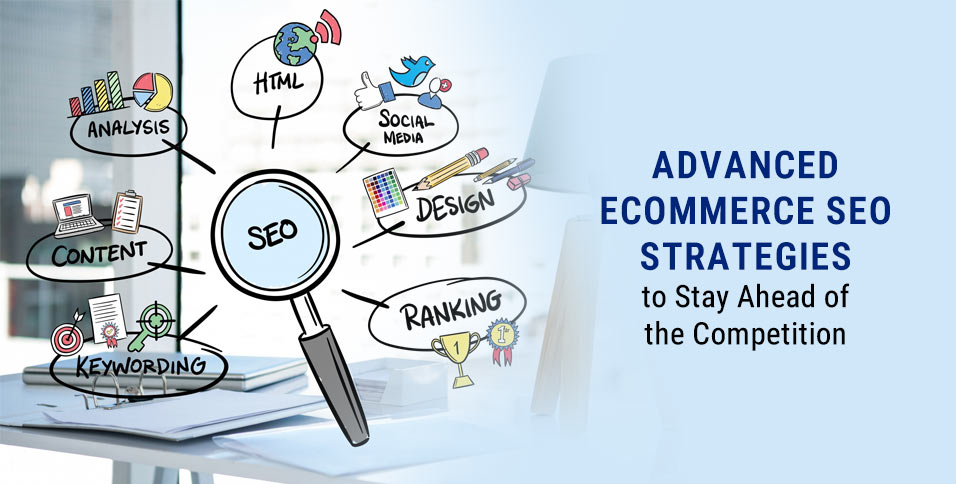
Ranking high in search results for product-focused queries requires more than standard optimisation. As platforms become increasingly competitive, mastering advanced eCommerce SEO becomes essential for brands seeking sustained growth. Simple tactics, such as keyword placement or image alt text, only scratch the surface. Truly effective strategies involve structured data, intent-driven link building, and behavioural analysis that reveals how visitors interact with your store, then turning those insights into tactical changes.
Structure Data for Richer Results
Schema markup isn’t a luxury—it’s a necessity for modern ecommerce platforms. Product schema allows search engines to display star ratings, pricing, stock availability, and review counts directly in SERPs. These visual enhancements attract attention and drive higher click-through rates.
Beyond products, implement a schema for FAQs, breadcrumbs, videos, and internal search. This provides crawlers with a clear understanding of your site’s hierarchy and content purpose. Always validate structured data using Google’s Rich Results Test to ensure nothing breaks under the surface.
Build Links Through Strategic Assets
Link building for eCommerce demands more than outreach emails. Create content worth referencing, such as buying guides, trend roundups, data visualisations, or original product comparison charts. These assets, when well-promoted, attract links organically from blogs, influencers, and media outlets.
Identify your most link-worthy pages and use internal linking to funnel authority toward key product or category pages. Avoid relying solely on homepage backlinks. Spread the value throughout your domain to increase rankings across your full inventory.
Use Behavioural Data to Refine SEO Targets
Analytics tools hold clues that traditional keyword research can’t uncover. Heatmaps, session recordings, and user flow reports reveal friction points and exit triggers, providing valuable insights into user behaviour. Notice frequent drop-offs from filtered search pages? Optimise those listings for better keyword clarity and UX.
User search queries from internal site searches can reveal underserved keyword opportunities. If visitors frequently look for “vegan leather boots”, but that phrase isn’t featured prominently on the site, updating content around it can close the gap between demand and visibility.
Optimise Faceted Navigation Without Cannibalising SEO
Filtering systems help shoppers, but they often create a maze of indexable URLs that confuse search engines. If every product filter combination generates a new URL, you risk diluting keyword relevance and duplicating content.
Implement canonical tags on filtered pages that point to the main category, or use noindex meta tags to exclude unnecessary variants. Ensure that important filtered views—such as “red running shoes” or “organic cotton t-shirts”—are optimised and indexable, while the rest remain crawl-efficient.
Create Evergreen Category Pages With Depth
Category pages serve more than a functional role. Optimise them with buyer-intent keywords, detailed descriptions, and internal links to blog posts or size guides. Use dynamic content blocks that pull in bestsellers or trending items to keep the page fresh.
Instead of targeting general keywords like “jackets,” aim for search intent phrases such as “winter waterproof jackets for men.” These pages should be treated as long-term SEO assets rather than placeholders between the homepage and product detail pages.
Refine Site Speed for Search and Satisfaction
Site performance doesn’t just affect rankings—it determines whether users stay long enough to make a purchase. Compress images using WebP formats, implement lazy loading for content below the fold, and reduce render-blocking scripts.
Focus particularly on mobile performance. Tools like Core Web Vitals highlight issues with interaction timing and visual stability—both of which affect your organic rankings as well as user satisfaction.
Leverage UGC for Fresh, Relevant Content
User-generated content provides a steady flow of indexable, trust-building material. Reviews, Q&A sections, and social media embeds can enrich product pages without additional content creation. Encourage detailed customer reviews by asking specific post-purchase questions, such as “How was the fit?” or “Would you recommend this product?”
Integrate these elements into your product page structure while maintaining crawlability and performance.
Lead Through Technical Depth and User Alignment
Winning at eCommerce SEO requires looking well beyond surface-level optimisations. Schema markup, technical clean-up, strategic internal linking, and behavioural data integration combine to lift visibility and engagement. In a space where algorithms change fast and shoppers expect more, staying ahead isn’t about reacting—it’s about anticipating, testing, and iterating continuously. With a refined, layered strategy, your online store moves from indexed to dominant.
Also Read: Why SEO is Critical for B2B Companies: Key Trends to Watch in 2025