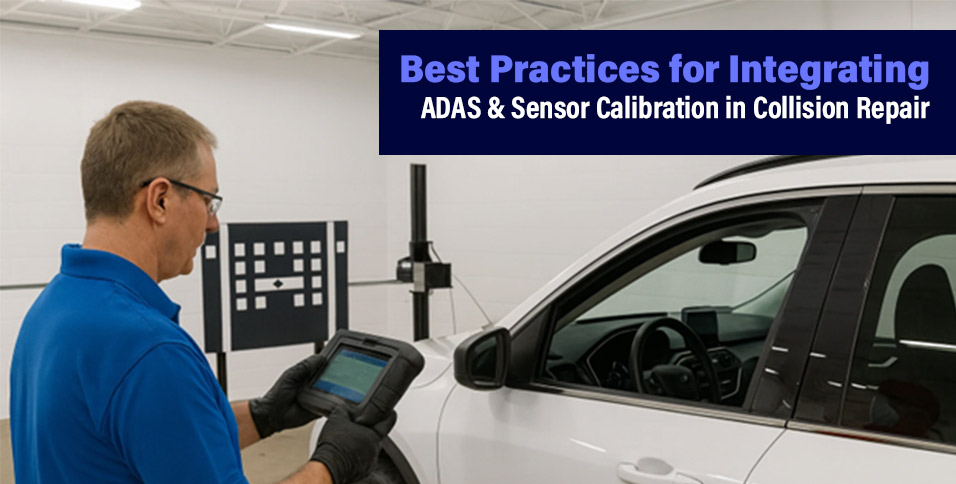
Modern vehicles on Dubai’s roads are increasingly equipped with Advanced Driver Assistance Systems (ADAS). These technologies, from lane-keeping assist and adaptive cruise control to automatic emergency braking, rely on an array of cameras and sensors to enhance safety. After a collision repair, ensuring these systems are properly calibrated is just as important as fixing the car’s body. Neglecting sensor recalibration could leave a vehicle’s advanced safety features compromised. ADAS sensor calibration has become a standard step in modern collision repair, not only to ensure safety, but also to meet automaker requirements and maintain customer trust. In practice, this means planning calibration tasks upfront, having the proper tools and trained personnel, and following OEM guidelines to make sure every ADAS feature works as intended.
The Importance of ADAS Sensor Calibration After Collisions
Leading repair shops worldwide, from international chains to specialized garages in Dubai like Golden Horse, emphasize ADAS sensor calibration as a standard part of post-repair service. ADAS relies on cameras, radar, LiDAR, and ultrasonic sensors to interpret a vehicle’s surroundings. Even a minor accident or part replacement can throw these sensors out of alignment. A forward-facing camera misaligned by just a few degrees, for instance, might misjudge distances and fail to warn the driver of an obstacle in time. That is why recalibrating sensors after repairs is non-negotiable. Skipping this step can lead to false readings or inactive safety features, posing risks to drivers and pedestrians. In addition, a repair provider could face liability if a safety system malfunctions due to an omitted calibration. From replacing a windshield with an embedded camera to repairing a bumper with radar sensors, technicians must follow manufacturer guidelines to calibrate each component. Proper calibration ensures that systems such as lane departure warnings, blind-spot monitors, and automatic braking function exactly as intended once the vehicle is back on the road.
Integrating Calibration into the Repair Workflow
To integrate ADAS calibration into the repair process, it must be built into the standard workflow rather than left as an afterthought. A typical repair might include:
- Assessment & Planning: Identify ADAS systems during the initial inspection and determine which sensors may need calibration according to OEM guidelines.
- Pre-Repair Scan: Run a diagnostic scan for ADAS fault codes before work begins to catch any hidden issues.
- Repairs and Alignment: Complete all necessary repairs and replace damaged ADAS components. Ensure wheel alignment or suspension corrections are done if needed.
- Sensor Calibration: Recalibrate each affected sensor per OEM procedures using the proper tools. This may involve a static (in-shop) or dynamic (on-road) calibration as specified.
- Verification: Finish with a final scan and test drive to confirm all ADAS features work correctly. Document results as proof of proper calibration.
This proactive workflow ensures no vehicle leaves the shop with misaligned ADAS, reducing safety risks and preventing costly comebacks. Planning for calibration from the estimate stage also helps avoid unexpected delays in delivering the repaired vehicle.
Tools, Training, and Best Practices for Precise Calibration
Proper ADAS calibration in collision repair depends on having the right resources and expertise. Key best practices include:
- Equipment & Environment: Use specialized, OEM-approved calibration tools (scanners, targets, alignment systems) and ensure a controlled setting (level floor, proper lighting) for accurate sensor alignment.
- Technician Training: Keep technicians up-to-date on the latest ADAS calibration methods. Ongoing training or having dedicated ADAS specialists helps maintain expertise as vehicle technology evolves.
- OEM Procedures: Always follow the vehicle manufacturer’s specific calibration instructions. ADAS requirements vary by make and model, so using the latest OEM service information is critical to get it right.
- Documentation & Quality Check: Document each calibration and its results for accountability. Also perform a quality check – for example, a road test – to verify that all ADAS features are functioning correctly before returning the vehicle.
By investing in proper tools and training and following these guidelines, repair facilities can seamlessly integrate ADAS sensor calibration into their operations. This commitment not only safeguards drivers but also enhances the shop’s reputation for delivering thorough, high-quality repairs.
Static vs Dynamic Calibration: A Comparison
ADAS sensor calibration is generally performed using two methods: static (in-shop) and dynamic (on-road). Each has a distinct procedure. Below is a quick comparison of static and dynamic calibration:
| Aspect | Static Calibration | Dynamic Calibration |
| Setting | Stationary, in a controlled workshop environment. | Conducted on a road test with the vehicle in motion under specified conditions. |
| Equipment | Requires special calibration targets or patterns and alignment tools precisely placed in front of the vehicle. | Uses the vehicle’s own sensors and a scan tool during a test drive (minimal external equipment aside from a safe road). |
| Outcome | Aligns sensors to factory specifications in a controlled setting (typically done right after a sensor or camera replacement). | Validates real-world performance of ADAS features, ensuring sensors work correctly on the road; often used to confirm a prior static calibration. |
For example, replacing a windshield-mounted camera typically requires a static calibration in the shop with target patterns, whereas some radar or LiDAR sensors might need a dynamic calibration on the road. Understanding these differences ensures the correct calibration method is applied for each ADAS feature. Some vehicles require only one method, while others need both in sequence. Following the OEM’s specified calibration procedures is essential to make sure all ADAS features function accurately.
Restoring Confidence Through Calibration Excellence
Advanced safety systems have transformed collision repair from simply fixing bodywork to also dealing with complex electronics. Integrating ADAS sensor calibration into every relevant repair is now considered an essential part of professional collision repair, ensuring that drivers can rely on features like automatic braking, lane assist, and blind-spot monitoring after their vehicles are restored. By planning for calibration needs upfront, using proper tools, training technicians, and strictly following OEM procedures, repair facilities can return vehicles that are not only cosmetically sound but also electronically safe.
In summary, embracing these best practices for ADAS calibration keeps the focus on vehicle safety and performance. Thorough sensor calibration and testing give customers peace of mind that their car’s advanced driver aids will function correctly when it matters most. As the automotive industry in Dubai and worldwide continues to adopt new ADAS technologies, collision repair professionals must stay current with these advancements. Ultimately, treating sensor calibration as an integral part of the repair process leads to safer roads and helps maintain trust in modern repair services.