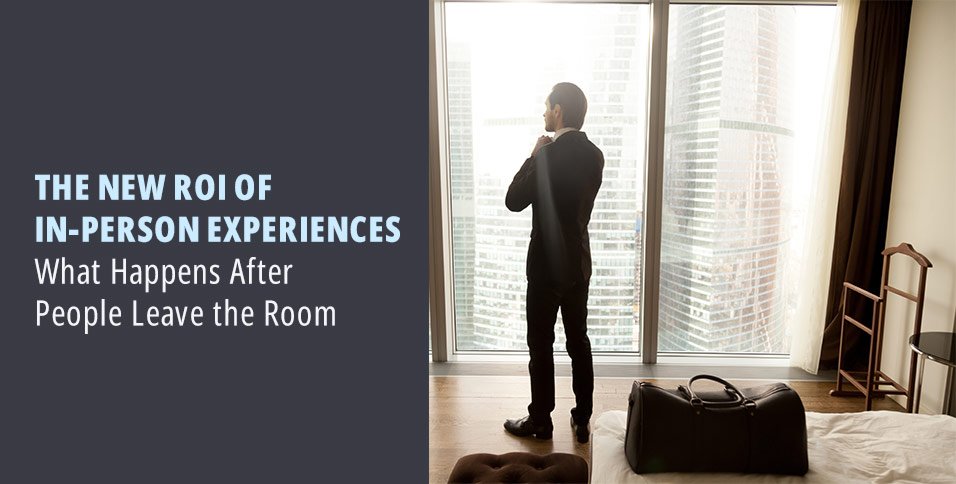
For years, the success of an in-person event was often judged by what could be seen in the room. A packed keynote, a busy exhibit floor, and a long registration list all suggested that an event had delivered.
Those signals still matter, but they tell only part of the story. The real business value of an event often becomes clearer after attendees head home, sales teams begin follow-up, sponsors review their results, and organizers study the data left behind.
Event ROI Is Moving Beyond Attendance
Attendance is easy to count. Business impact takes more work.
A person walking through the door does not automatically become a qualified lead, loyal customer, or useful new connection. For that reason, companies are paying closer attention to what attendees actually do during an event and what happens next.
That measurement can begin before the doors even open. Registration data can show who plans to attend, where they work, and what topics interest them. Onsite activity can add another layer through session attendance, booth visits, appointments, surveys, content downloads, or other interactions.
Making those pieces work together often requires an experienced event technology partner that can support the technology infrastructure behind registration, engagement, connectivity, displays, and other parts of the attendee experience.
The goal is not to collect data simply to have more numbers. Useful event data should help answer specific business questions.
Which sessions attracted the strongest interest? Which prospects spent time with a product demonstration? Which attendees requested meetings? Did sponsors receive meaningful exposure? Which topics should shape future content?
When you define those questions before an event, the information collected onsite becomes much more valuable afterward.
A stronger ROI model can include several categories:
- Lead generation: How many relevant prospects engaged with the business?
- Engagement: Which sessions, activations, or resources held attendee interest?
- Sponsor visibility: Did sponsors receive the exposure and interactions they expected?
- Relationship development: Did customers, prospects, and partners make valuable connections?
- Follow-up activity: Did event interactions turn into meetings, conversations, or opportunities after the event?
- Attendee insight: What did behavior and feedback reveal about audience interests?
Together, these measures provide a fuller picture than headcount alone.
The Most Valuable Event Data Often Works After the Event
The hours and days after an event can determine whether promising interactions become business opportunities or simply fade into memory.
A badge scan, for example, has limited value without context. Knowing that an attendee visited a booth becomes more useful when a team also knows what the person asked about, which product interested them, or whether they requested another conversation.
That information can help sales and marketing teams prioritize follow-up. Instead of sending the same message to every attendee, businesses can segment outreach based on interests and engagement.
An attendee who joined a technical session may receive related educational material. Someone who requested a product demonstration may need direct sales outreach. A current customer who attended several advanced sessions may present an opportunity for deeper account engagement.
The same principle applies to sponsors. Useful reporting may include booth traffic, leads, meeting activity, session attendance, and content engagement. Those measures give sponsors a clearer view of what their investment produced and can support more informed renewal decisions.
Relationship building deserves equal attention. Freeman’s 2025 Trust Report found that 95% of attendees surveyed said they trusted a brand more after an in-person event. That finding points to a form of ROI that may not appear as immediate revenue but can influence later conversations, purchasing decisions, referrals, and partnerships.
The challenge is connecting those longer-term outcomes with observable behavior. Follow-up meetings, content engagement, sales activity, survey responses, and future event registrations can all help show whether a relationship continued to develop.
This is also where event data becomes useful beyond reporting. It can guide decisions about which prospects deserve immediate attention, which attendee groups need different messaging, and which sponsor experiences should be expanded or changed at the next event.
The Event Is Over, but the Value Should Keep Growing
The modern in-person experience is not a single moment on a calendar. It is part of a longer customer, partner, or employee journey.
That changes how organizations should think about ROI. Event planning should start with the outcomes the business wants to create, followed by a clear plan for capturing the signals that indicate progress toward those outcomes.
Technology can support that process, but the strategy still comes first. Teams need to decide which behaviors matter, what data to collect, who will receive it, and how quickly follow-up should happen.
Post-event reporting also deserves more attention. Instead of producing a document filled with disconnected numbers, organizations can connect attendance, engagement, lead activity, sponsor performance, feedback, and follow-up into a clear story about business impact.
That story can shape the next event. It can show which sessions deserve more space, which experiences failed to attract attention, which sponsor packages delivered value, and which audience segments responded most strongly.
The best in-person events do more than fill a room for a few hours. They produce information, conversations, trust, and relationships that organizations can continue building after the lights go down.
That is the new measure of event ROI: not simply who showed up, but what their participation made possible next.
Also Read: How Does an AI Retail Assistant Drive 40% Faster Orders and Loyalty ROI?