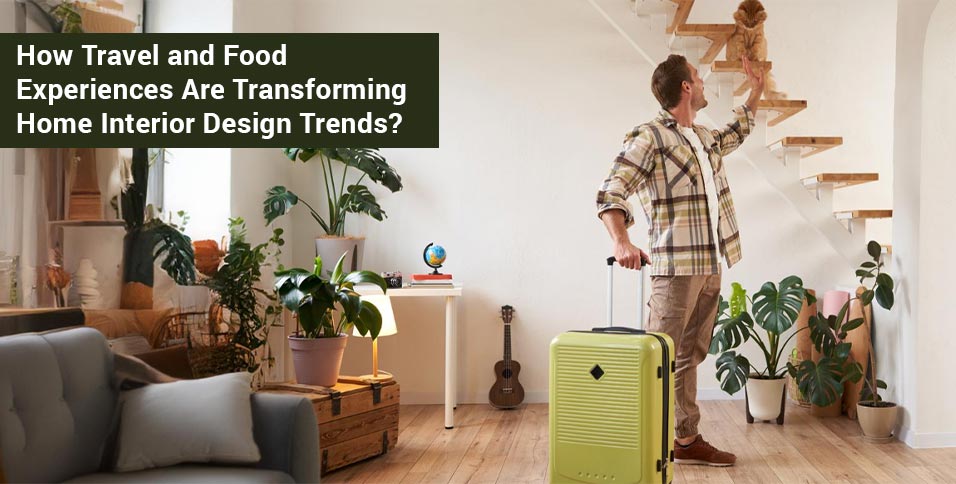
Travel has always shaped how people see the world—but increasingly, it’s also shaping how they design their homes.
As global travel and food exploration become more accessible through both physical journeys and digital storytelling, homeowners are bringing those sensory experiences back with them.
From Moroccan spices to Japanese minimalism, today’s interior design trends are deeply influenced by what people taste, smell, and experience while traveling.
Rather than following generic design rules, modern homeowners are designing spaces that feel personal, emotional, and experiential.
Food culture, in particular, plays a major role—because meals are often the most memorable part of travel. Designers and homeowners alike are now translating these moments into textures, colors, layouts, and materials that tell a story.
Below, experts from travel, interior design, and food culture share how global experiences are reshaping the way we live at home.
Designing with Memory, Not Just Style
According to Reinis Butka, CEO and founder of Luminesy, travel-inspired interiors are less about copying a look and more about recreating a feeling.
“People don’t come back from travel wanting a showroom-perfect space,” says Butka. “They want to recreate how a place made them feel—warm light from a Mediterranean café, the calm of a Nordic cabin, or the intimacy of a small family-run restaurant.”
He explains that lighting, in particular, plays a huge role. Soft ambient lighting inspired by European cafés or lantern-lit Asian streets is becoming more popular than harsh overhead lights. Homeowners want spaces that encourage lingering, conversation, and comfort—much like the places they enjoyed abroad.
This emotional approach is pushing interior design away from trends that feel temporary and toward choices rooted in personal experience.
Travel Shapes the Way We Use Space
For Christof Bartel, founder of Urlaubspunkt.de, travel doesn’t just influence aesthetics—it changes how people think about space itself.
“When people travel, they notice how other cultures live,” Bartel explains. “They experience open kitchens in Italy, floor seating in Asia, or indoor-outdoor living in Southern Europe. Those ideas come home with them.”
As a result, homes are becoming more functional and experience-driven. Dining areas are expanding, kitchens are becoming social hubs, and living rooms are designed to host guests rather than just face a TV.
Bartel adds that vacation rentals and boutique hotels also play a role. Travelers often try design ideas while staying abroad—textured walls, local art, handmade furniture—and later seek to replicate that atmosphere in their own homes.
Global Food Culture Inspires Color and Texture
Food doesn’t just influence how people cook at home—it influences how homes look and feel. Fatima Bousbaa, founder and owner of Lividom, sees this connection clearly in client preferences.
“Food is sensory—color, texture, aroma—and interior design is becoming the same,” says Bousbaa. “Clients reference meals they loved abroad when choosing materials and colors.”
She points to examples like earthy tones inspired by Middle Eastern cuisine, deep reds and warm woods influenced by Asian dining spaces, and neutral palettes drawn from Mediterranean kitchens.
Textured walls, handmade ceramics, clay finishes, and natural stone are increasingly popular because they reflect the authenticity people associate with global food cultures. According to Bousbaa, homeowners want spaces that feel “lived-in” rather than polished.
“A perfectly white kitchen feels cold to someone who fell in love with a rustic Turkish breakfast table or a bustling street-food stall in Bangkok,” she adds.
Kitchens as Cultural Storytelling Spaces
The kitchen has become the heart of travel-inspired interior design—and food culture is the reason. Azmi Anees, a food expert at Halal Foundation, explains that global food experiences are deeply tied to values and identity.
“Food represents culture, faith, and tradition,” Anees says. “When people travel and explore halal cuisines around the world, they don’t just bring back recipes—they bring back respect for how food is prepared and shared.”
This awareness is influencing kitchen layouts, storage choices, and even dining etiquette at home. Dedicated preparation areas, better ventilation, open shelving for spices, and communal dining setups are becoming more common.
Anees notes that families are designing kitchens that support intentional cooking—spaces that encourage slow meals, shared preparation, and cultural expression.
“The kitchen is no longer just functional,” he adds. “It’s a reflection of where you’ve been and what you value.”
Authenticity Over Imitation
One key trend across travel- and food-inspired interiors is authenticity. Rather than copying a “Parisian” or “Moroccan” look, homeowners are blending influences in subtle, personal ways.
Designers report a rise in:
- Handcrafted décor sourced from travels
- Locally made furniture inspired by global forms
- Natural materials that age gracefully
- Open dining areas designed for shared meals
This approach allows homeowners to honor their experiences without turning their homes into themed spaces.
A Shift Toward Slow Living
At its core, this trend reflects a broader cultural shift toward slow living. Travel teaches people to pause, savor meals, and enjoy environments—and interior design is adapting to support that mindset.
From warm lighting and tactile materials to kitchens designed for long dinners, homes are becoming places to relive meaningful moments rather than escape daily life.
As global travel and food exploration continue to shape personal identity, interior design will follow—becoming less about trends and more about stories.