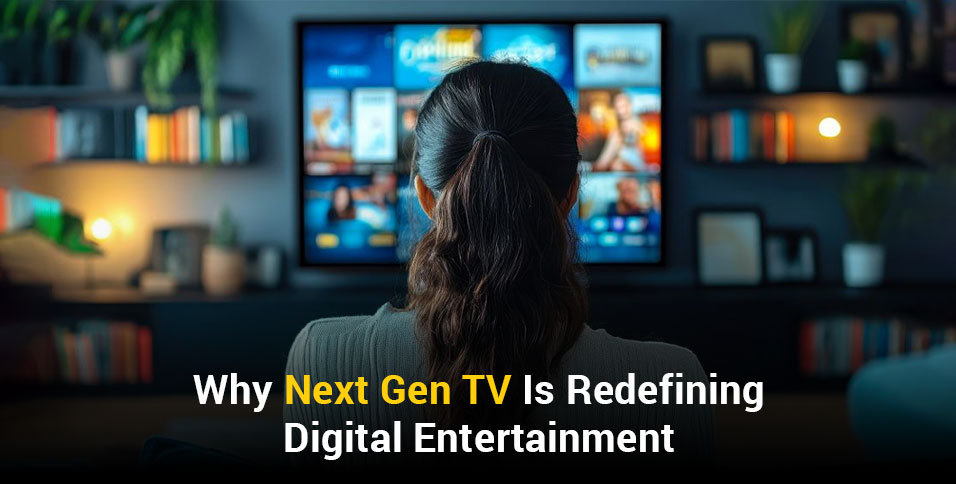
Television is changing. The old way of watching shows at specific times is fading away. Streaming changed everything, but now there’s something new on the horizon.
Next Generation TV is rolling out across America. It brings better picture quality, sound, and new features to regular broadcast television. The best part? It’s free. You don’t need a subscription or a cable bill.
This technology allows viewers to pause live TV, watch certain programs on demand, and receive personalized suggestions. It blends the flexibility people like in streaming media platforms with the simplicity of over-the-air TV. For cord-cutters and longtime broadcast viewers alike, this shift can change how free television fits into everyday entertainment.
Here are a few ways Next Gen TV is redefining digital entertainment and changing what viewers can expect from free television:
What Is Next Gen TV
Next Gen TV, also known as ATSC 3.0, is an updated standard for digital broadcasting. It replaces older systems with technology designed for modern screens and viewing habits. While the name sounds technical, the concept is straightforward. It updates free TV without removing what people already rely on.
Viewers still access Next Gen TV using an antenna. There’s no requirement to sign up for an account unless optional features are turned on. Local broadcasters continue to deliver familiar channels, but the upgraded system allows for more flexibility and added capabilities.
What sets this technology apart is how it blends traditional broadcast signals with internet-based tools. Some features use Internet Protocol (IP) to unlock added options, while core viewing remains over-the-air. This mix allows broadcasters to modernize content delivery without turning free TV into a paid service.
On compatible televisions, platforms like Android and Google TV can make these features easier to find by organizing live channels, on-demand content, and apps in one place. The broadcast itself remains free, while the interface helps viewers navigate everything more smoothly.
How Next Gen TV Is Redefining Digital Entertainment
Digital entertainment is no longer limited to one platform. People move between streaming apps, social media, and traditional television throughout the day. Expectations have shifted, and viewers often look for control, clarity, and convenience no matter where content comes from.
Next Gen TV fits into this space as a bridge between old and new. It doesn’t try to replace streaming services or cable. Instead, it offers another way to watch content that feels current without additional costs. This approach reshapes how broadcast television fits into the broader digital landscape.
Here’s how it’s transforming digital entertainment:
Picture and Sound That Feel More Immersive
One of the most noticeable updates is improved video quality. Next Gen TV supports sharper images, better contrast, and smoother motion. Some broadcasts can even support 4K ultra-high-definition video, depending on the station and the viewer’s equipment. This can make live events and locally produced content feel more visually engaging.
The sound is also much better. Support for immersive audio allows for more depth and clarity, especially during live sports or movies. Dialogue can sound clearer, while background effects feel more balanced. In some setups, this can create a theater-like sound experience without requiring complex equipment.
Not every broadcast utilizes these features, but the capability is built into the system. As adoption grows, free TV can start giving a cinema-like experience, even when watching local programming at home.
On-Demand Features Without a Subscription
Traditional broadcast TV has always followed a fixed schedule, which meant missing a program often meant missing it entirely. Next Gen TV introduces more flexibility that aligns with how people watch content today, while still keeping access free and straightforward.
Some broadcasts allow viewers to pause live TV, rewind moments they missed, or restart a program already in progress. Others provide limited on-demand access to recent episodes or segments. While these features may rely on an internet connection, they don’t require a paid subscription or separate service, which keeps the experience simple.
Broadcasters can also use multicast streams to share different versions of the same content at once. This could include alternate camera angles during sports, extended news coverage, or bonus programming. All of this is delivered through familiar broadcast channels, making it easier to explore extra content without switching platforms.
Better Emergency Alerts
Emergency alerts are another area where Next Gen TV introduces meaningful updates. Traditional alerts often rely on short text crawls that can be easy to miss, especially if viewers aren’t watching the screen closely or have the volume turned down. In fast-moving situations, limited text may not provide enough context to fully understand the level of risk.
With advanced emergency alerting, broadcasters can share richer information. Alerts can include maps, visuals, and detailed instructions tailored to specific areas. This can make it easier for viewers to understand what’s happening and what steps they could consider next.
Because these alerts come through local stations, they remain timely and relevant. Broadcasters can focus messages on specific communities instead of entire regions, which keeps information useful without unnecessary interruptions. This highlights how free television can support both everyday viewing and practical needs through modern broadcast tools.
A More Personalized Viewing Experience
Next Gen TV also opens the door to more tailored viewing. Instead of scrolling through long channel lists, viewers can receive suggestions based on what they watch. For instance, you might see a local news clip about a park in your specific town instead of a general update for the whole state. This makes discovering content feel less overwhelming.
Some of these tools are powered by interactive features that allow viewers to engage with content in simple ways. Personalization is optional, and you can adjust settings based on your comfort level.
This approach reflects how digital entertainment has evolved. Viewers expect choice, but they also want control. Next Gen TV offers personalization without forcing it, keeping the experience flexible rather than intrusive.
Conclusion
Next Gen TV is still rolling out, but it’s already proving that free television isn’t disappearing. It’s adapting. While streaming services add up to hundreds of dollars each year, Next Gen TV offers quality and convenience without the monthly bill.
For viewers, this means more choices. You can keep your streaming subscriptions, cut the cord completely, or mix both options. Free television might surprise people who thought its best days were behind it.