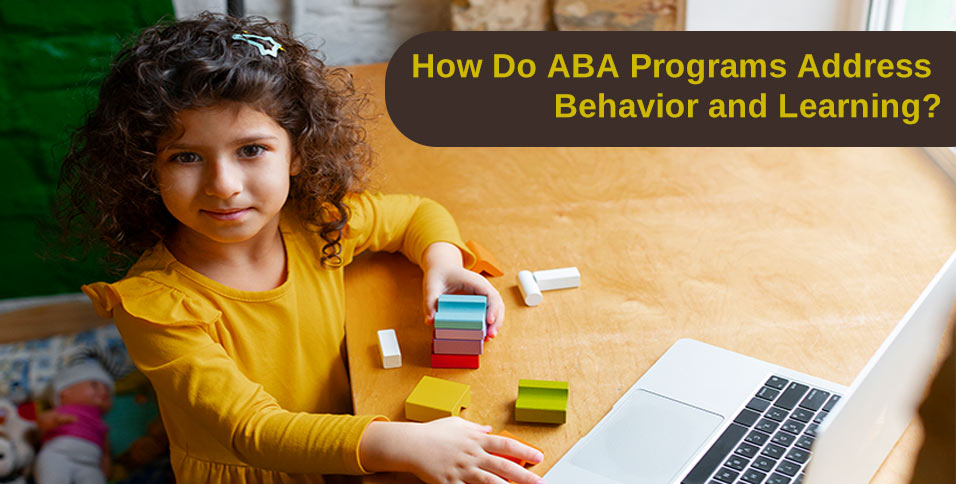
Applied Behavior Analysis, or ABA, is a tried-and-true method of assisting individuals who have difficulty with behaviors and learning, and families in Joliet have access to quality programs that implement these evidence-based strategies. The method is based on observable data with clear incidents and well-structured techniques. For families and educators, ABA is thought of as a beacon of hope for those struggling socially or academically.
Also, being aware of how ABA can be used to promote positive change will help you understand why this teaching method will continue to be used in educational and personal settings. Learning about ABA therapy for children in Joliet can help families find the right support for their child’s unique needs. Let’s explore how ABA programs effectively address behavior and learning challenges.
Principles of ABA
It works by looking at a behavior or action and noticing what is happening prior to that action. This process assists specialists in identifying what triggers certain behaviors. After the reasons are identified, an organized intervention seeks to substitute the challenging behavior with a more acceptable one. These interventions will center around consistency and positive reinforcement. Each of these approaches is selected specifically for the person doing the interaction.
Promoting Positive Behavior
At the nucleus of ABA is positive reinforcement. If we encourage and reward a person for good behavior, the person is more likely to follow that behavior again. Students may be compelled to do the right thing through simple praise or with physical incentives. In time, these moments of recognition go a long way to forming habits for the long term. This praise-over-punishment methodology distinguished ABA from more traditional approaches.
Addressing Challenging Actions
Problematic behaviors are not ignored in ABA programs. Instead, they explore what causes and sustains these responses. Specialists are able to identify patterns by looking at the events leading up to and following a behavior. When triggers are understood, interventions can nip unwanted actions in the bud. Such actions can include practicing different skills or modifying the environment in a way that avoids the response. ABA targets the cause of the problem, rather than the symptoms of the problem.
Supporting Academic Growth
Learning isn’t always easy, especially for those with different needs. ABA strategies also take academic tasks and break them down into smaller pieces. This methodical approach is designed to prevent overburdening learners. Every skill builds on the last, generating a sure footing when it comes to the next one. Keep them in the game—ABA builds confidence by celebrating progress.
Encouraging Social Skills
It can’t be easy for everyone, and it’s even harder if that person struggles with communication. Programs that follow ABA focus on teaching things like eye contact, turn-taking, and social skills. According to the Centers for Disease Control and Prevention, early intervention programs like ABA can significantly improve social and communication skills in children. Having these skills becomes second nature through practice and repetition. Peer and instructor encouragement affirms these positive experiences. Step by step, these advances can truly add to making friends and joining social events.
Involving Families and Educators
ABA programs work best with the help of family members and teachers. Continual support in all settings helps learners generalize new skills. ABA professionals frequently work alongside caregivers and educators to help create strategies that can work in the home, the classroom, and other places. With training and proper guidance, all parties involved will understand the methodologies used. Having both sides involved bolsters outcomes and adds a scale of resources around the learner.
Measuring Progress
The collection of data is perhaps the most important aspect of ABA. Continuous tracking and analysis help in measuring progress and recalibrating interventions. Using charts, graphs, and notes provides clear evidence of what is working and what is not. Continual review ensures that strategies effective today may not remain effective in 6 months! This process allows successes to be celebrated by families and professionals alike and new goals to be set as progress continues.
Adapting to Individual Needs
Every learner is unique and different. Applied Behavioral Analysis understands these unique differences and adapts its methods. Programs are not set in stone and can be modified depending on feedback and choices. Some people require a lot of repetition, while others do fine without such support. ABA fosters an environment where everyone can thrive by honoring these differences. By being personal, you keep the motivation up and inspire continued development.
Conclusion
ABA programs provide an organized and caring approach to developing and implementing strategies for behavior and learning needs. With a clear emphasis and direction on observation, reward, and collaboration, ABA enables and empowers people to achieve success. Every customized strategy considers the individual hurdles and strengths of a learner. It is this commitment to growth, skill development, and autonomy that makes ABA a powerful solution for families, educators, and individuals seeking positive change.