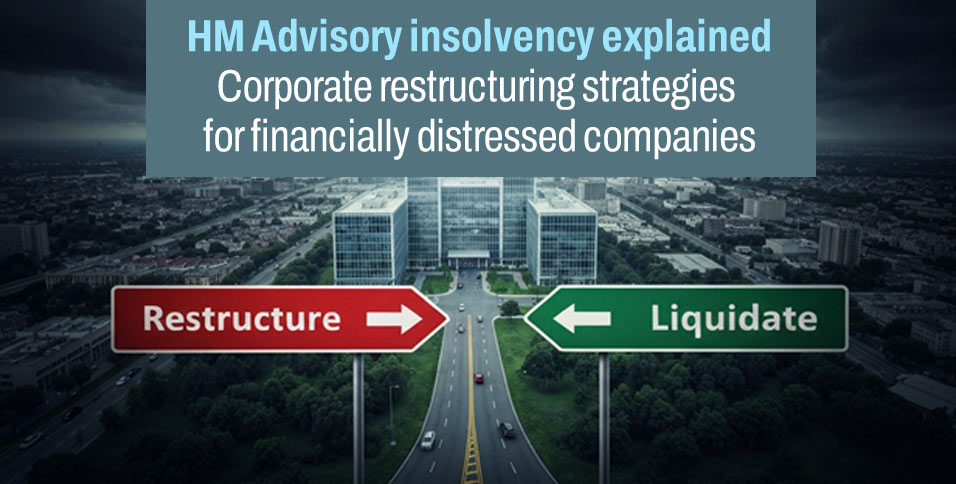
Key Highlights
- Facing insolvency is a daunting prospect, but corporate restructuring offers a path forward for financially distressed companies.
- Strategies like Voluntary Administration and Deed of Company Arrangement (DOCA) focus on business recovery and negotiation with creditors.
- Creditors’ Voluntary Liquidation provides a structured process to wind up a company and maximise returns for stakeholders.
- An experienced insolvency firm can provide crucial advisory support to directors and stakeholders.
- A free initial consultation can help you understand your options for business restructuring and recovery.
- With offices in Sydney, Melbourne, Brisbane, and Perth, national support is available for your insolvency matters.
Introduction
Dealing with potential insolvency is undoubtedly a stressful and pressuring time for any business owner. The complexity of financial obligations and the uncertainty of the future can make it a daunting prospect. However, you do not have to navigate these challenges alone. Understanding the corporate restructuring strategies available is the first step toward regaining control. With professional guidance from an experienced team, you can explore clear, respectful options tailored to your unique insolvency situations, turning a period of difficulty into an opportunity for recovery.
Corporate restructuring strategies for financially distressed companies explained
Corporate restructuring involves making significant changes to a company’s financial or operational structure, especially when facing financial challenges. The objective is to build a stronger, more sustainable business model that can thrive in the long term. Every situation is unique, so the right strategy depends on your specific insolvency circumstances and goals.
Engaging experts like HM Advisory insolvency ensures you have a team of professionals to guide you through the process. They can evaluate your company’s position and recommend tailored solutions to support recovery and future stability.
1. Voluntary administration and its role in business turnaround
Voluntary administration is a pivotal process designed to give an insolvent company breathing space. When your business is facing corporate insolvency, an independent administrator is appointed to take full control. Their primary objective is to investigate the company’s affairs and find a way to save the business or, if that’s not possible, to administer its affairs to achieve a better outcome for creditors than if it were immediately wound up.
This process provides a formal mechanism to pause claims against the company, allowing for a structured approach to business turnaround. The administrator will explore all available options, which may include:
- Restructuring the company to continue trading
- Proposing a Deed of Company Arrangement (DOCA) to creditors
- Winding up the company if it cannot meet its financial obligations
Ultimately, voluntary administration serves as a powerful tool for business recovery. It offers a chance to reorganise and create a plan that addresses financial challenges while aiming to preserve the company’s value for all stakeholders involved.
2. Deed of Company Arrangement (DOCA) as a negotiation tool
Following a period of voluntary administration, a Deed of Company Arrangement (DOCA) can be proposed as a binding agreement between the company and its creditors. This arrangement outlines how the company’s affairs and assets will be managed to help it trade out of its difficulties. A DOCA is a flexible negotiation tool that allows for creative solutions to satisfy debts over time.
The core purpose of a DOCA is to facilitate a restructure that leads to fair outcomes for everyone involved. Unlike immediate liquidation, it provides a chance for the company to continue operating, preserving jobs and business relationships. The terms of the DOCA are voted on by creditors, who must decide if the proposed plan offers a better return than they would receive if the company were liquidated.
When navigating corporate insolvency, this option provides a structured pathway to compromise and recovery. A skilled insolvency practitioner works to ensure the proposed arrangement is practical, commercially sound, and agreeable to all parties, removing confusion and focusing on a positive financial future.
3. Creditors’ voluntary liquidation for managing insolvent companies
Sometimes, a company’s financial distress is too severe for a turnaround. In these situations, a Creditors’ Voluntary Liquidation (CVL) is a formal process initiated by the company’s directors and shareholders. It occurs when they agree that the company can no longer meet its debt obligations and must be wound up in an orderly manner. This is a proactive step to manage an insolvent company responsibly.
The primary goal of a CVL is to finalise the company’s affairs and achieve the maximum return for its creditors. A registered liquidator is appointed to take control of the company, cease its operations, sell its assets, and distribute the proceeds to creditors according to a legally defined priority.
While liquidation marks the end of a company, a CVL ensures the process is handled professionally and fairly. It provides certainty for all stakeholders and allows directors to meet their legal duties when facing insolvency. This clear path helps manage a difficult situation and provides a definitive resolution for the company’s financial future.
4. Business asset and debt restructuring solutions
Beyond formal appointments, direct business asset and debt restructuring solutions are vital for navigating financial challenges. This approach involves a detailed analysis of a company’s financial structure to identify opportunities for reorganisation. Debt restructuring may include negotiating new payment terms with lenders, while asset restructuring could involve selling non-essential assets to improve cash flow. These strategies aim to create a more sustainable financial foundation.
Comprehensive services in this area are designed to be practical and efficient. An advisory firm with experience across many industries can deliver tailored solutions that address your specific circumstances. Whether you are in retail, construction, or transport, professional support can help you make informed decisions. An initial consultation using a simple contact form can be the first step towards a viable restructuring plan.
A firm with a proven track record offers support across a diverse range of sectors, ensuring they understand the unique pressures of your industry.
| Industry Specialisation |
| Property and Construction |
| Hospitality |
| General Retail |
| Manufacturing |
| Health Care |
| Information Technology |
| Transport |
5. Advisory support for directors and company stakeholders
Directors and company stakeholders carry significant responsibilities, especially when the company is under financial pressure. Accessing expert advisory support is crucial to navigate the complexities of insolvency law and protect the interests of everyone involved. An experienced advisor provides clear, impartial, and unambiguous advice tailored to your real situation.
The journey often begins with an initial consultation, which is typically free of charge and without obligation. This allows you to discuss your concerns openly and understand the potential courses of action available. A firm with extensive experience approaches each case intending to provide a professional, personal, and considerate service, recognising that they are dealing with real people in difficult circumstances.
The ultimate aim is to find the best way forward for the business or individual. By working collaboratively with directors and stakeholders, an advisor can help secure the best possible outcome, whether through a turnaround strategy or a formal insolvency appointment. This support removes uncertainty and empowers you to make confident decisions.
Conclusion
Navigating the complexities of corporate restructuring can be daunting, especially for financially distressed companies. However, understanding various strategies such as voluntary administration, Deeds of Company Arrangement, and creditors’ voluntary liquidation can equip business owners with the tools to turn their situation around. By actively engaging in restructuring processes and seeking advisory support, companies can not only manage their liabilities but also pave the way for a fresh start. Remember, addressing financial challenges is not the end but rather an opportunity for growth and renewal. If you’re facing difficulties, don’t hesitate to reach out for a consultation to explore how these strategies can work for you.
Frequently asked questions about insolvency and HM Advisory services
Understanding the complexities of insolvency can be overwhelming. Clients often seek concise information about the services offered, especially regarding initial consultations and the potential for debt relief. Questions frequently center around the nature of corporate restructuring and how best to navigate taxing financial situations. Insolvency matters can vary significantly from personal insolvency to corporate financial restructuring. Engaging with qualified accountants and bankruptcy advisors can provide clarity and ensure stakeholders achieve fair outcomes in their pursuit of sustainable solutions.
1. What corporate insolvency services are available in Mackay and Ormeau?
While specific offices may not be located in Mackay or Ormeau, practitioners providing insolvency services in Queensland assist clients across the entire state, including surrounding areas. You can contact their Brisbane or Gold Coast offices today for a consultation to discuss your needs, as the firm is dedicated to providing support wherever it is required.
2. How do creditors interact with HM Advisory during insolvency proceedings?
During an insolvency case, creditors are treated as key stakeholders. The firm is committed to providing clear and concise information to all parties involved, ensuring transparency throughout the process. The focus is on achieving fair outcomes and maximising the return to creditors as part of any business recovery plan.
3. Can HM Advisory assist with both restructuring and bankruptcy matters?
Yes, the firm specialises in both corporate and personal insolvency. The team of qualified chartered accountants and bankruptcy advisors offers a full suite of services, from corporate restructuring and administration to personal bankruptcy matters. This ensures comprehensive support for both businesses and individuals facing financial difficulty.