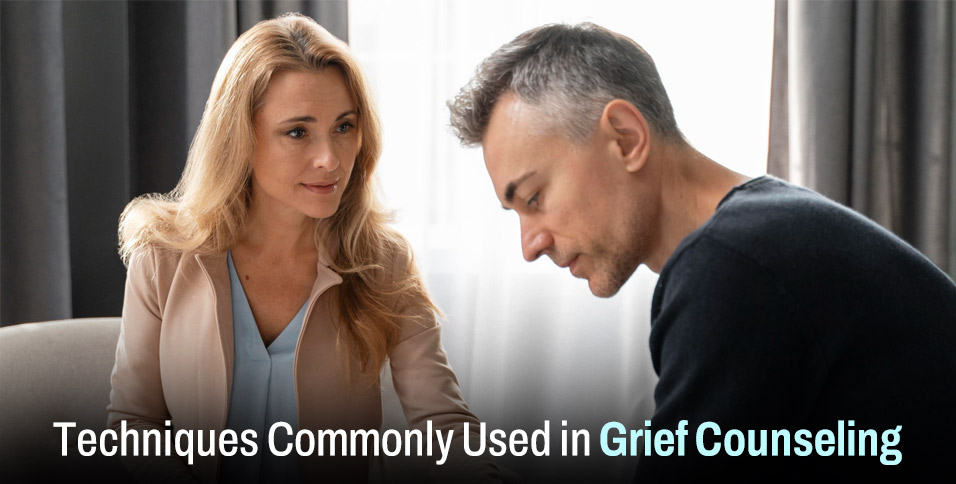
Grief counseling helps people cope with loss. What this form of guidance does is assist someone in feeling their feelings and regaining equilibrium. Several effective methods are regularly practiced to help those suffering a loss. These approaches can help people, families, and communities grieve and adjust to their new normal.
Active Listening
Clients can vent or express their feelings without the worry of being judged through active listening. A counselor focused on grief counseling in California shows respect by devoting their full attention, rather than trying to multitask. The professional will be gently encouraging more sharing, either with eye contact or nods. This kind of engagement not only builds trust, but it also supports the management of unpleasant feelings that arise.
Validating Emotions
This approach recognizes a person’s pain and sadness as being real and significant; it acknowledges their feelings. Sometimes, counselors just use phrases to encourage clients to know that it is okay to have feelings. This reduces isolation and helps individuals feel seen and understood. This is really a key technique for strengthening confidence and facilitating engagement. Emotional validation can help lift the weight of grief and learn to accept yourself.
Encouraging Reminiscence
Honoring loved ones can make us feel less alone and give us purpose. Counselors may prompt clients to reminisce about happy and sad times. This enables people to honor the life of the deceased. It also opens up exploration to unexamined issues or unresolved regrets. Nostalgia can reveal a path for honoring connection and nurturing healing.
Identifying Coping Strategies
Grief hurts; it will take time to heal, so we must cope with it. Counselors work by getting the individual to lean on his or her own strengths and resources. These include journaling, creative arts, or physical activity. These activities can provide an escape from sadness and facilitate well-being.
Challenging Harmful Thoughts
People who are grieving often form negative self-beliefs or negative beliefs about the future. Counselors help clients to pinpoint these types of thoughts. Doing this reduces guilt, shame, or hopelessness and replaces them with more balanced thoughts. Challenging unhelpful beliefs facilitates emotional recovery and strength of character.
Encouraging Healthy Routines
Healthy eating, sleep, and activity patterns are often recommended by counselors . During uncertain times like these, there can be solace in consistency, familiarity in routine, and predictability in schedule. Routines, even small ones, can create a sense of control and groundwork.
Facilitating Expression Through the Creative Arts
Anything creative like painting — or, if you’re a writer, writing — is an outlet for the deep and very heavy emotions that we all experience. Clients are then encouraged to use these outlets to express difficult-to-articulate emotions. Such expressions can ease discomfort and promote recovery. Art, music, or poetry is used in grief counseling in California, and it sometimes comforts us, or makes us process our grief.
Building Support Networks
Counselors assist clients in finding friends, family, or community resources to help them. Promoting interaction with other people eases the sensation of isolation. A support group can be a good place to meet people who have similar experiences and have a place to share. All methods of creating a network allow people to find strength and hope.
Normalizing the Grieving Process
Grief is heavy; it strikes unexpectedly; it is a prominent force. Counselors remind clients of the rhythm of loss: It is normal to feel sorrow. This realization allows people to accept what they are doing because they are not judging themselves. By normalizing grief, we decrease the fear of it and can learn to allow ourselves grace in our recovery process.
Conclusion
Grief counseling is focused on a combination of warmth, empathy, and skills in practical support for loss. Widely practised methods assist people with grieving, the healing process, and rebuilding their lives. These techniques allow each individual to look ahead with hope and strength. Everyone moves through this journey differently, and where there is support, healing is possible.