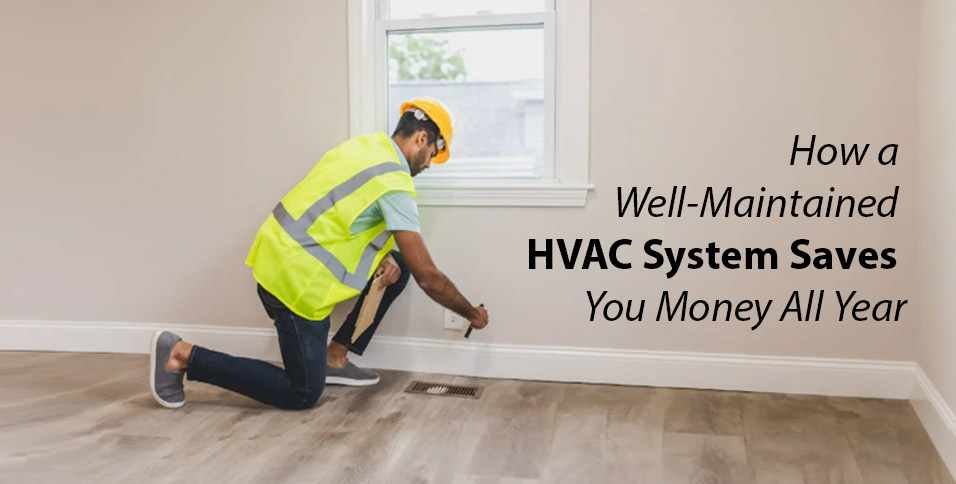
Many homeowners deal with rising energy bills even when they keep their thermostat at the same setting. This often feels confusing because nothing in the home seems different. The real problem usually sits inside the HVAC system. Dust, worn parts, or small changes in airflow can push the system to use more power than it needs. These issues build up over time and often go unnoticed until the monthly bill alerts you. When an HVAC system runs without regular care, it struggles to keep the home at a steady temperature. This leads to longer run times, weaker airflow, and added wear on the system’s most important parts.
A well-maintained system avoids these problems. Simple steps such as cleaning coils, checking refrigerant levels, and replacing filters make a big difference. Tune-ups protect comfort and reduce energy use throughout the year. Maintenance also helps prevent sudden breakdowns that lead to expensive repairs. A strong maintenance plan creates steady performance, lower costs, and a longer life for the system.
1. What Refrigerant Levels Mean for Your Monthly Costs
Refrigerant moves heat out of the home during each cooling cycle. It absorbs heat from the indoor air, carries it to the outdoor unit, and releases it there. This process allows the system to cool the home in a steady and efficient way.
This is what refrigerant does inside of your AC, and when it runs low, it can cause longer run times and weaker cooling. Low levels also place extra strain on the compressor because the system tries to remove heat without enough refrigerant to support the process.
A technician checks refrigerant levels during maintenance and looks for leaks if the level has dropped. Correct levels support smoother cooling cycles, lower energy use, and fewer mechanical problems over time. This makes refrigerant checks an important part of any yearly maintenance plan.
2. The Role of Clean Filters in Energy Savings
Air filters protect the system from dust and debris. When filters stay clean, air moves through the system with ease. This helps the blower work smoothly and prevents strain on the motor. When a filter clogs, air slows down. The system then needs more time to heat or cool the home.
Most homeowners do not notice the impact right away. The system still runs, but it works harder with every cycle. This leads to higher energy use and slower performance. Replacing filters on a regular schedule is one of the simplest ways to reduce monthly costs. Clean filters also support better indoor air quality.
3. Why Professional Coil Cleaning Matters
Coils handle heat transfer inside the system. Dirt and dust settle on coil surfaces over time. This buildup blocks the coil from absorbing or releasing heat. A system with dirty coils needs more time to reach the desired temperature. This forces the system to cycle longer and use more power.
Professional cleaning restores coil efficiency. Technicians remove the buildup and ensure the coil surface makes good contact with the air. Once clean, the system cools or heats more effectively. This reduces energy use and helps protect key parts from heavy strain. Regular coil cleaning supports consistent comfort and prevents slow performance.
4. How Tune-Ups Stop Small Problems From Turning Into Costly Repairs
A yearly tune-up helps technicians spot issues before they grow. Many HVAC problems start with small signs. A loose wire, a worn belt, or a weak capacitor may not stop the system right away. These parts fail over time, and the system then shuts down without warning. A technician checks these pieces and replaces them before they fail. This keeps the system steady and prevents repairs that cost more than routine service.
Tune-ups also protect the compressor, which is the most expensive part of an AC system. When airflow drops or refrigerant levels fall, the compressor works under stress. This can shorten its life. Early checks keep the compressor safe and help the whole system last longer. Preventing breakdowns saves money and stops long periods without heating or cooling.
5. Airflow Checks That Prevent Wasted Energy
Strong airflow helps an HVAC system run with less effort. When air moves freely, the system reaches the set temperature faster. Problems such as blocked vents, duct leaks, or weak blowers limit airflow. These issues often develop over time and affect rooms in different ways. A homeowner may notice hot spots or cold spots in the house, which are signs of poor airflow.
During maintenance, technicians test airflow and measure how the system pushes air through the ducts. They look for leaks, disconnected sections, or buildup that slows movement. Fixing these issues helps the system run at its intended capacity. Good airflow also supports accurate temperature control, which reduces the number of cycles the system needs. This lowers energy use and protects the motor from strain.
6. How Thermostat Calibration Affects Costs
A thermostat reads the indoor temperature and signals the system to run. When a thermostat shifts out of calibration, it may read the room warmer or cooler than it really is. This leads to extra cycles or short cycles. Both problems waste energy and increase wear on the system.
A technician tests the thermostat during maintenance and adjusts it when needed. Proper calibration ensures the system starts and stops at accurate times. This improves comfort and keeps energy use steady. Many modern thermostats also offer settings that help control indoor temperature more efficiently. When homeowners use these features, they support better performance without changing the system itself.
7. Extending System Lifespan Through Consistent Care
Regular maintenance helps an HVAC system stay in service for more years. Parts that run under heavy strain wear out faster. Dirt buildup, low refrigerant, and poor airflow all increase stress on the system. When technicians clean and tune the system, they reduce that stress. This helps motors, fans, and electrical parts work at normal levels.
A healthy system cycles smoothly, handles seasonal changes, and avoids long periods of high load. This balance supports a longer lifespan. Replacing an HVAC system costs far more than maintaining it. Homeowners who follow a maintenance plan delay the need for a new system and protect their long-term budget.
A well-maintained HVAC system delivers steady comfort and lower costs throughout the year. Regular care reduces strain, prevents breakdowns, and helps the system reach the set temperature without wasting energy. Clean parts, strong airflow, and accurate controls support reliable performance. When homeowners stay consistent with maintenance, they protect their budget and extend the life of their system. Simple steps taken at the right time create dependable savings and a more comfortable home every season.