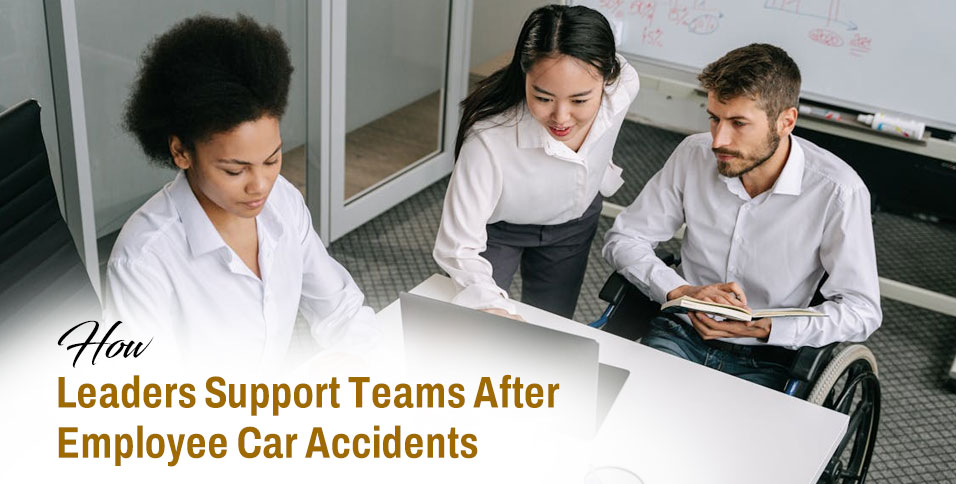
A serious car accident involving an employee can shake an entire team. The first hours after the news matter most.
Leaders must act with calm, clear direction, and empathy. People look for guidance, safety, and reassurance.
Here’s an overview of how managers, HR, and legal teams coordinate during the first 72 hours, balancing crisis communication, benefits support, and recovery care.
Coordinating the First Response: HR, Legal, and Operations Alignment
When a team member is injured in a car accident, precise coordination among HR, legal, and operations prevents confusion. HR confirms the employee’s emergency contacts and begins documentation. Operations manages workload changes, covering shifts or projects to reduce stress on coworkers.
Working with legal experts like The Weinstein Firm can help leaders understand liability boundaries and communication rules, especially if the incident involves company vehicles. Legal teams guide what to share publicly, balancing privacy with transparency.
Communicating with Empathy While Managing Facts
When sharing news of an employee accident, tone matters as much as timing. Leaders should speak with honesty, yet avoid speculation. A short, factual statement to the team helps stop rumors and builds trust. For example, acknowledging the event, assuring support, and outlining next steps gives employees clarity.
Supervisors can then check in individually with those most affected. Some may feel shock or guilt, while others may worry about the workload. Listening without judgment keeps morale steady.
It’s like adjusting a group’s rhythm after one musician suddenly stops playing. Clear direction and empathy help everyone find their place again, so the team continues working with care and respect. If you think your communication skills need brushing up to reach this point, consider training options to address gaps.
Supporting Mental Health Through EAP and Peer Connection
Emotional recovery often lasts longer than physical healing. After an accident, employees may struggle with fear, anxiety, or grief, even if they weren’t involved directly. Connecting them to the company’s Employee Assistance Program gives access to confidential counseling, stress management, and crisis support.
Leaders should also encourage informal peer connections. A simple check-in from a colleague can help someone feel grounded. HR can schedule optional debrief sessions or quiet spaces for reflection.
It’s the same thing as reinforcing a bridge after heavy rain. The structure might look stable, but unseen stress points need care. Supporting mental health ensures the team stays resilient, compassionate, and ready to move forward together.
Understanding Benefits, Leave Rights, and ADA Obligations
After an accident, employees often face a maze of paperwork, medical updates, and questions about pay or leave. HR teams should act quickly to explain short-term disability, workers’ compensation, and FMLA or state leave options. Clarity reduces anxiety and prevents financial surprises.
Supervisors must stay informed about what can be shared, maintain confidentiality, and help coworkers adjust schedules. If the employee needs long-term support, ADA guidelines require exploring reasonable accommodations, such as modified duties or flexible hours.
It’s like tuning a machine after a key part is replaced. Every adjustment ensures smooth operation without overloading other components. A thoughtful approach keeps the employee connected, valued, and confident about their return.
Planning a Safe and Respectful Return to Work
A safe return to work begins with clear medical clearance and ongoing communication. HR and supervisors should meet with the employee to discuss which tasks feel comfortable and any limitations. Flexibility helps rebuild confidence.
Gradual schedules, remote options, or light-duty assignments can make the transition smoother. Since 22 million people already work remotely, this option should not be challenging to offer. Managers should also prepare the team in advance, explaining how roles may temporarily shift to support the returning employee.
It’s like guiding a runner back onto the track after an injury. The pace must match recovery, not expectation. Consistent check-ins help identify when adjustments are needed, ensuring the employee regains strength while the team maintains balance and trust.
The Last Word
When an employee faces a car accident, leadership defines how the organization heals. Swift coordination, honest communication, and emotional support shape recovery far beyond logistics.
Each action, from working with legal partners to adjusting schedules, sends a message of care and responsibility.
When leaders act with empathy and structure, teams feel safe enough to move forward, together and stronger.