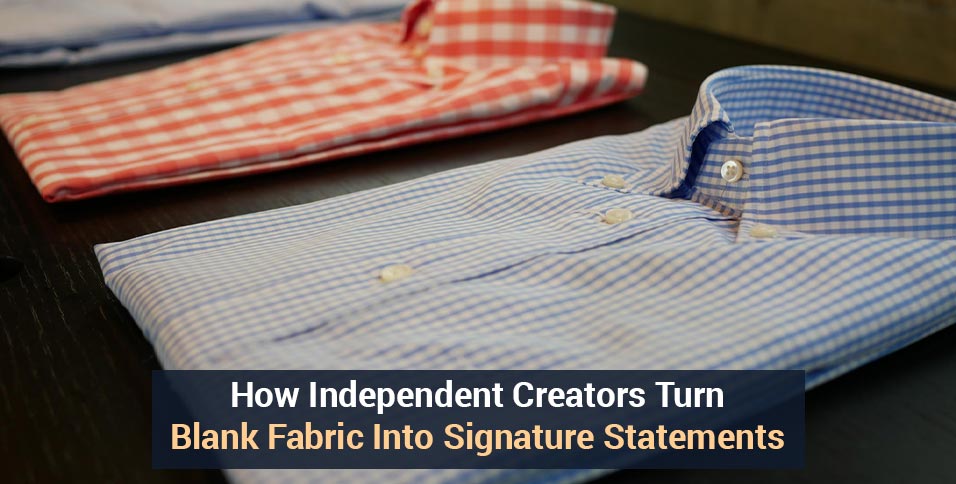
The entire process of crafting signature statement shirts from a blank fabric starts small. You’ll see a stretch of plain fabric laid flat on a table, and only the sound of scissors scraping against cotton can be heard. At this point, nothing looks special yet. But in the hands of a maker, that stillness begins to shift. A line forms and a fold takes shape. The rest of the history is woven by threads and touches.
Independent creators have changed what handmade fashion means. They don’t chase mass production. They chase meaning. Each shirt, cap, or jacket they finish carries a bit of their patience and their habit of noticing details that most people overlook.
The First Step Is Always Feel
Before anything gets cut, the maker studies the fabric. They stretch it, check how it moves under light, and rub it between their fingers. Cotton feels steady. Linen breathes easy. Denim holds its form but softens with time. Knowing how a material reacts before the first stitch saves hours later.
Factories skip that pause. They trust machines to even things out. Independent creators can’t. They depend on their own eyes. If a fabric pulls too tightly, they adjust. If it frays at the edge, they change how it’s handled. Those quiet, ordinary decisions build strength into every finished piece.
Mistakes happen often, especially early on. Ink spreads wider than planned. Seams slip slightly out of line. Instead of starting over, small makers study what went wrong and build new habits from it. The next attempt comes out better. That learning curve gives their work personality.
From Sketch to Shape
Every design begins with a mood more than a pattern. Some makers draw it out on paper. Others think with their hands, folding and pinning until it looks right. They picture how the fabric will move when worn, how it should sit on a shoulder, or bend with an elbow.
Once the shape feels balanced, cutting starts. It’s careful work, often done with soft background music or silence. The smallest error can throw off the whole piece. When edges meet neatly, there’s a rhythm to it. It’s the same rhythm that gives handmade work its calm energy.
Details come next. Embroidery, stitching, or patchwork turns a blank surface into something distinct. Makers who craft custom hats spend extra time shaping brims or layering colors that match a person’s tone and style. These touches define identity. A simple cap, once shaped and stitched, becomes a quiet signature.
Mixing Tools Without Losing Touch
Technology finds its place, but it never takes over. Makers use simple design apps or small cutting tools to save time. Still, the real test happens under their fingertips. Machines can trace outlines, but they can’t decide how a fabric should fall or how a stitch should feel.
Some print patterns digitally, then add hand-painted accents. Others laser-cut shapes, then hand-sew each one together. The result keeps a hint of irregularity, just enough to remind people that a person made it. Those tiny imperfections are what separate authentic from mechanical.
Working Small but Thinking Long
Independent creators prefer small batches. They produce what they can manage without rushing. That scale keeps focus on quality and reduces waste. Many use leftover textiles from local suppliers or reclaimed materials from mills. It’s efficient and keeps costs grounded.
Every batch teaches something new. The first few runs test the fit and texture. Later ones refine stitching or colorfastness. This slow improvement keeps each release better than the last. Nothing sits still for long, yet nothing moves too fast to lose intention.
Building Personal Connection
Independent brands grow through word of mouth. A satisfied buyer shares a photo, then a friend asks where it came from. Slowly, trust builds. That kind of marketing can’t be forced. It’s earned through honesty.
Creators talk directly with customers online. They show how pieces are made, even the messiest parts. That transparency pulls people closer. Shoppers have a vision of who made their clothes and why. The exchange feels more human than a checkout page.
Over time, consistent craftsmanship becomes a calling card. People recognize a certain color palette, a signature stitch, or the weight of a fabric. It’s quiet branding built through repetition and care.
Where Fabric Meets Identity
Every finished piece carries the maker’s voice. The curve of a seam, the shade of a thread, the texture under light. It all tells part of their story. No machine can replicate that feeling.
Independent creators prove that originality doesn’t require scale. It requires attention. They turn simple fabric into design by listening to how materials respond. They remind the fashion world that true craft still belongs to human hands.
A plain shirt. A cap stitched in the evening light. A jacket that softens with time. None of them begin special. But through patience and skill, they become something that can’t be copied. Something people wear not just for style, but for the story woven inside it.