The Financial Revolution Happening at Home
The way we interact with money has changed drastically over the past decade. Mobile banking apps, online investing platforms, and instant loan approvals have transformed finance into a fast, digital-first experience. Yet, one of the biggest financial revolutions is unfolding closer to home, quite literally.
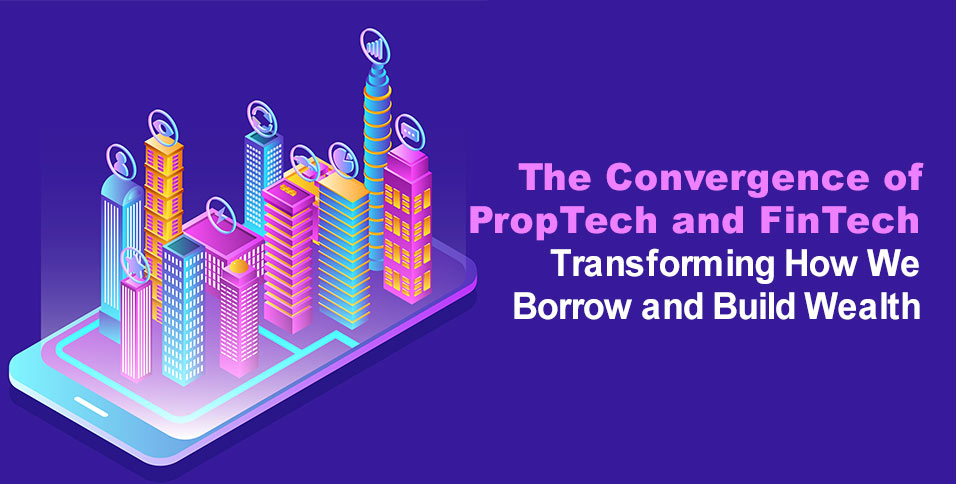
The convergence of PropTech (property technology) and FinTech (financial technology) is redefining what it means to own, manage, and leverage property. No longer are real estate and finance separate worlds. Together, they’re unlocking smarter ways for homeowners and investors to access liquidity, build long-term wealth, and make informed decisions, all powered by data and automation.
PropTech: Reinventing Real Estate Ownership
For decades, buying or selling property involved paperwork, brokers, and lengthy approval processes. Today, PropTech has made the entire journey digital. Platforms now allow users to explore virtual property tours, generate instant valuations, and complete transactions entirely online.
Behind the scenes, artificial intelligence and big data analytics are revolutionizing how properties are priced and managed. AI-powered valuation models can assess a home’s worth within minutes by analyzing neighborhood trends, amenities, and even local sentiment. Blockchain technology is also stepping in, enabling secure, transparent property transfers and reducing the need for intermediaries.
But PropTech isn’t just about convenience. It’s about accessibility. By digitizing processes, the real estate sector has opened its doors to a broader demographic of investors and homeowners. Whether it’s fractional ownership through blockchain or app-based management systems for landlords, technology has made real estate a more fluid, data-driven asset class.
FinTech: Simplifying Access to Wealth Through Innovation
While PropTech reshapes how we handle property, FinTech is transforming how we handle money itself. The rise of digital-first banks, peer-to-peer lending platforms, and automated investment tools has made financial products more accessible than ever before.
Consumers now expect speed, personalization, and transparency from their financial institutions. Loan approvals that once took weeks can now be completed in hours. AI-driven underwriting models assess risk in real time, offering tailored interest rates and repayment plans based on individual financial behavior.
FinTech’s greatest achievement is democratization. Borrowers and investors no longer need to rely solely on traditional banking systems. Instead, they can access a competitive marketplace of lenders and platforms that compete on user experience and innovation. This shift has empowered consumers to take greater control over their financial decisions, whether it’s refinancing debt, investing in real estate, or funding personal projects.
Where PropTech Meets FinTech: Unlocking the Value in Real Estate
The real magic happens when PropTech and FinTech intersect. By combining real estate data with financial analytics, these two sectors are enabling a new wave of equity-backed financial solutions.
For instance, property valuation data collected through PropTech platforms now informs FinTech lenders about the current value and potential growth of a home. This allows for more accurate, personalized lending decisions, reducing risk for lenders and unlocking better rates for borrowers.
Today’s digital lending platforms can seamlessly integrate with property databases, offering homeowners real-time insights into how much of their home’s value they can access. This has paved the way for more flexible and transparent borrowing options, including modern HELOC loans that let people tap into their home equity with speed and ease.
Homeowners can now explore convenient financing opportunities such as home equity lines of credit that are managed entirely online. With just a few clicks, users can access funds for renovations, education, or investments, all backed by their property’s value. It’s a clear example of how PropTech and FinTech are converging to make wealth more fluid and accessible.
The Bigger Picture: Building Long-Term Wealth Through Technology
Beyond convenience, the convergence of PropTech and FinTech signals a paradigm shift in personal wealth management. Real estate, traditionally seen as a static asset, is becoming an active component of financial strategy.
Advanced digital platforms now allow users to view their property alongside other financial instruments, from stocks to savings, within a single dashboard. This unified view helps individuals track net worth, manage debt, and forecast future growth more effectively.
Moreover, technology is enabling smarter reinvestment strategies. Homeowners can now leverage equity not just for consumption but for long-term wealth-building goals. For instance, using home equity to fund energy-efficient renovations or to diversify investments across sustainable portfolios is becoming increasingly common.
By connecting these tools, FinTech and PropTech are helping individuals see the bigger financial picture, not just how much they own, but how effectively their assets are working for them.
The Future of PropTech-FinTech Integration
The intersection of these two industries is still in its early stages, but the future looks promising. Artificial intelligence will soon go beyond predictive modeling to offer proactive financial insights, warning homeowners when they’re underutilizing their equity or when market conditions favor refinancing.
Blockchain technology could further streamline mortgage processing and title transfers, making cross-border real estate investments faster and safer. Meanwhile, open banking and API integrations will allow seamless data flow between banks, lenders, and real estate platforms, creating a unified ecosystem where financial management and property ownership co-exist.
We may even see tokenized real estate portfolios, where fractional ownership in global properties becomes as easy as buying shares in a company. Combined with automated lending tools, this could open entirely new avenues for building and diversifying wealth.
As PropTech and FinTech continue to evolve, their convergence will likely become the new standard for wealth management. Instead of relying on traditional banks or brokers, consumers will interact with intelligent systems capable of understanding their entire financial landscape, property, savings, debt, and investments, in one place.
The Home as a Hub of Financial Innovation
At the heart of this transformation lies a powerful idea: the home is no longer just a place to live, it’s a dynamic financial hub. Homeownership is becoming intertwined with digital finance, data analytics, and personalized lending.
By merging the precision of PropTech with the agility of FinTech, homeowners now have the power to control, leverage, and grow their wealth with unprecedented ease. Whether accessing liquidity through digital equity products or investing in property-backed assets, individuals are rewriting the rules of personal finance.
The coming years will see this convergence expand further, creating new opportunities for both consumers and businesses. Real estate developers, lenders, and tech innovators will increasingly collaborate to deliver integrated, tech-driven financial ecosystems that make wealth creation not just possible, but seamless.
Conclusion: Technology as the Bridge Between Property and Prosperity
The blending of PropTech and FinTech represents more than just convenience, it’s a redefinition of how we perceive and manage wealth. As digital ecosystems mature, the home will continue to evolve from a static asset into a living, financial instrument that adapts to its owner’s goals and lifestyle.
Ultimately, this convergence isn’t just transforming how we borrow; it’s reshaping how we think about money, value, and opportunity. For homeowners and innovators alike, the walls between real estate and finance are dissolving, replaced by a transparent, data-driven bridge that connects property to prosperity.