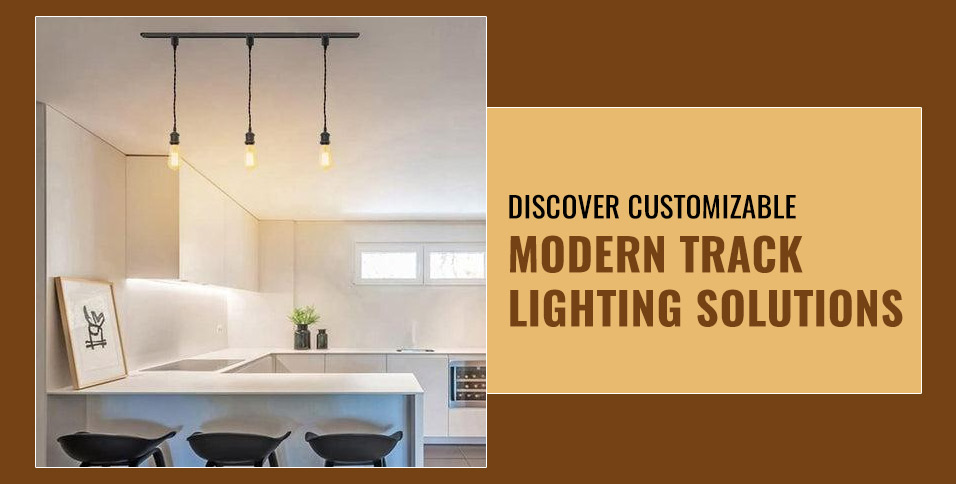
Modern living spaces demand lighting solutions that adapt to changing needs, moods, and activities throughout the day. Traditional fixed lighting often falls short in providing the flexibility required for contemporary lifestyles, where rooms serve multiple purposes and personal expression matters. Customizable modern track lighting has emerged as an innovative answer to these challenges, offering homeowners unprecedented control over their interior illumination. Unlike conventional ceiling fixtures that cast uniform light across entire rooms, track lighting systems allow you to direct beams precisely where needed, adjust intensity levels, and even modify configurations as your space evolves. Whether you’re highlighting artwork, creating task lighting for work areas, or establishing ambient moods for entertaining, these versatile systems transform how we experience our homes. The ability to customize not just the light direction but also fixture styles, finishes, and bulb types means your lighting can truly reflect your personal aesthetic while meeting practical demands. As homes become smarter and design-conscious homeowners seek solutions that balance form with function, modern track lighting stands out as an essential element in creating adaptable, beautifully lit environments.
The Importance of Modern Track Lighting
Track lighting fundamentally changes how we interact with our living spaces by putting control directly in your hands. Unlike static overhead fixtures that illuminate everything equally, track systems let you sculpt light throughout a room, emphasizing architectural features while leaving other areas softly lit. This directional capability proves invaluable in open-concept homes where a single space serves as kitchen, dining area, and living room simultaneously. You can brighten countertops for meal preparation while maintaining softer lighting in conversation areas just steps away. The personalization extends beyond functionality into atmosphere creation—adjusting individual fixtures transforms a bright, energetic workspace into an intimate entertainment setting within minutes. Modern track light also addresses the common problem of inadequate illumination in rentals or older homes without requiring extensive electrical rewiring. The systems install where existing ceiling boxes exist, then extend light wherever needed along the track. This adaptability means your lighting investment travels with you through life changes, reconfiguring to suit new floor plans, furniture arrangements, or evolving tastes. As our homes increasingly reflect individual personalities rather than cookie-cutter designs, track lighting provides the flexibility to express personal style while solving practical illumination challenges that fixed fixtures simply cannot address.
Key Features of Customizable Track Lighting
The true power of modern track lighting lies in its modular design that accommodates evolving needs without replacement. Most systems feature adjustable heads that rotate 350 degrees horizontally and pivot vertically, allowing you to redirect light as furniture moves or seasonal décor changes. This mechanical flexibility pairs with electrical versatility—many tracks accept different fixture types simultaneously, meaning you can combine spotlights for task lighting with pendant-style heads for ambient illumination on the same rail. The compatibility extends to bulb technology, with tracks supporting LED, halogen, or specialized bulbs depending on your color temperature preferences and energy efficiency goals. Finish options have expanded dramatically beyond basic black and white to include brushed nickel, oil-rubbed bronze, matte black, and even custom powder-coated colors that coordinate with existing hardware throughout your home. Track lengths are fully customizable through straight sections, L-connectors, and flexible tracks that curve around architectural elements, creating continuous lighting paths that follow your room’s unique geometry. Dimming capabilities integrated into many modern systems provide granular control over brightness levels, letting you fine-tune the atmosphere from bright task lighting to subtle accent illumination. Some advanced systems now incorporate smart technology, enabling voice control, automated scheduling, and scene programming through smartphone apps. This combination of physical adjustability, aesthetic variety, and technological integration makes customizable track lighting a genuinely future-proof investment that adapts as both your space and lighting technology continue to evolve.
How to Choose the Right Track Lighting
Selecting the right track lighting begins with assessing your room’s primary function and identifying areas requiring focused illumination. Start by mapping out task zones—kitchen counters, reading nooks, or workspaces—that need brighter, directed light, then note accent opportunities like artwork, architectural details, or display shelves that benefit from highlighting. Measure your ceiling height, as this determines appropriate beam angles; rooms with eight-foot ceilings work best with wider flood beams, while higher ceilings accommodate narrower spot beams that travel farther without dispersing. Consider your existing electrical infrastructure and whether you prefer hardwired systems for permanent installations or plug-in tracks that offer relocation flexibility. The track style should complement your interior design—linear rails suit contemporary minimalist spaces, while curved or monorail systems add sculptural interest to transitional rooms. Evaluate how many fixture heads you’ll need by calculating roughly one fixture per sixty square feet for general lighting, then adding extras for specific task or accent needs. Color temperature significantly impacts room ambiance, with warm whites (2700-3000K) creating cozy residential atmospheres and cooler whites (3500-4500K) providing clarity for detailed work. Think about future adaptability by choosing systems with widely available compatible fixtures rather than proprietary designs that limit expansion options. If you frequently rearrange furniture or anticipate room purpose changes, prioritize tracks with tool-free head adjustments and easy repositioning. Finally, calculate your total wattage needs while considering energy efficiency—LED fixtures cost more initially but deliver substantial long-term savings and require less frequent bulb replacement, making them the practical choice for most residential applications.
Installation Tips for Track Lighting
Installing track lighting successfully starts with turning off power at the circuit breaker and verifying it’s off with a voltage tester before touching any wiring. Locate your ceiling junction box and confirm it can support the track system’s weight—most residential boxes handle standard tracks, but heavier configurations may require additional bracing installed into ceiling joists. Mount the track’s power connector plate directly over the junction box, connecting black to black, white to white, and ground wires according to manufacturer instructions, then secure everything with wire nuts and electrical tape. Position the track itself by snapping or screwing it into the connector plate, ensuring it’s level using a spirit level before fully tightening—even slight angles become visually obvious once fixtures are attached. For tracks extending beyond the initial junction box, connect additional straight sections or corner pieces according to the system’s coupling mechanism, maintaining consistent alignment throughout. Space your light fixtures based on your earlier planning, sliding them onto the track and twisting to lock them in place, then adjust each head’s direction before powering on. Once electricity is restored, test each fixture individually and make final positioning adjustments with the power off if any heads feel loose. If installing in rental properties or situations requiring non-permanent solutions, consider adapter kits that convert track systems to plug-in configurations, eliminating hardwiring entirely while maintaining full functionality.
Case Studies: Real-Life Applications
A young couple in Seattle transformed their 900-square-foot loft by installing a curved monorail track system that follows the perimeter of their open living area. They positioned three pendant-style heads over their dining table for intimate meals, added two adjustable spotlights to illuminate kitchen prep areas, and directed another fixture toward their gallery wall featuring rotating photography collections. The system eliminated the need for multiple ceiling fixtures while allowing them to reconfigure lighting as they rearrange furniture seasonally. In a suburban Chicago home, a family converted their basement into a multipurpose space serving as both home office and entertainment room. They installed two parallel tracks with independently controlled circuits—one line with bright LED spots for focused work lighting during daytime hours, and another with warm-toned heads creating ambient illumination for movie nights and gatherings. A Boston art collector used track lighting to solve the challenge of properly illuminating paintings without causing glare or heat damage. By installing gallery-style tracks with narrow beam LED fixtures from KIVENLIGHTING, she achieved museum-quality lighting that highlights textures and colors while remaining adjustable as she acquires new pieces. A Portland café owner applied residential track concepts commercially, creating flexible lighting zones that shift from bright morning service to intimate evening atmosphere simply by adjusting individual fixture angles and dimmer settings, demonstrating how customizable track systems transcend traditional residential boundaries.
Maintenance and Longevity
Maintaining track lighting systems requires minimal effort but delivers significant returns in performance and lifespan. Dust accumulation on fixtures and tracks reduces light output by up to thirty percent over time, so wiping down heads and rails quarterly with a dry microfiber cloth keeps illumination at optimal levels—always ensure power is off before cleaning. Inspect track connections every six months by gently testing each fixture’s grip, tightening any loose heads according to manufacturer specifications to prevent electrical issues or falling fixtures. LED bulbs typically last fifteen to twenty years under normal use, but when replacement becomes necessary, match the original color temperature and beam angle to maintain consistent lighting quality throughout your system. Check dimmer compatibility when upgrading bulbs, as not all LEDs work with existing dimming hardware and mismatches cause flickering or premature failure. Clean the track channels annually using compressed air to remove debris that interferes with electrical contacts, ensuring smooth fixture repositioning and reliable power delivery. For systems in kitchens or high-humidity areas, examine wiring connections yearly for any signs of corrosion or loosening caused by temperature fluctuations and moisture exposure. If fixtures begin flickering or failing to turn on, first verify the circuit breaker hasn’t tripped, then test bulbs in different sockets to isolate whether the issue lies with individual bulbs or track electrical components. This straightforward maintenance routine preserves both functionality and appearance, allowing your track lighting investment to serve reliably for decades while maintaining the flexibility that made it appealing initially.
Transform Your Space with Adaptable Lighting
Customizable modern track lighting represents a transformative approach to home illumination that bridges the gap between aesthetic appeal and practical functionality. These versatile systems empower you to shape your environment precisely, directing light where it matters most while adapting seamlessly to life’s changes—whether you’re rearranging furniture, showcasing new artwork, or repurposing entire rooms. The combination of adjustable fixtures, diverse style options, and smart technology integration ensures your lighting investment remains relevant as both your needs and available technologies evolve. Beyond mere illumination, track lighting enables genuine personalization of your living spaces, allowing you to craft atmospheres that reflect your unique style and support daily activities from focused work to relaxed entertainment. The straightforward installation process and minimal maintenance requirements make these systems accessible to homeowners at any skill level, while their energy-efficient LED compatibility delivers long-term cost savings. As you consider upgrading your home’s lighting, remember that customizable track systems offer something increasingly rare in home improvement—a solution that grows with you rather than becoming obsolete. By investing in modern track lighting, you’re not simply installing fixtures; you’re gaining lasting control over one of the most influential elements of interior design, ensuring your home remains beautifully lit and perfectly suited to your lifestyle for years to come.