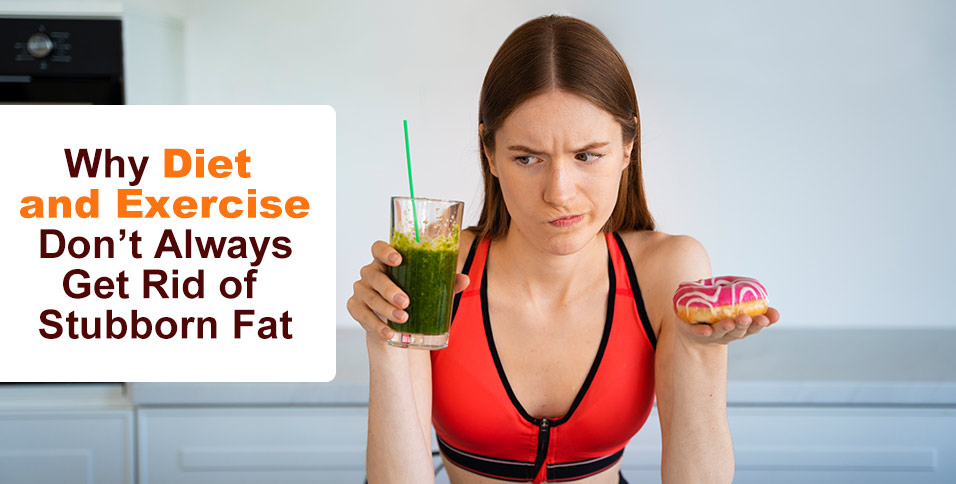
Many people invest hours in the gym and follow strict diets, yet some fat seems impossible to lose. Stubborn fat refers to areas of the body that resist standard weight-loss efforts. These pockets of fat often linger even when overall body weight decreases. Understanding why certain fat remains while the rest disappears is key to approaching fitness realistically.
This article explores the science behind stubborn fat, the factors that influence its persistence, and practical ways to address it effectively without unnecessary frustration.
A Brief about “Stubborn Fat”
Stubborn fat is commonly found in areas such as the lower abdomen, hips, thighs, and upper arms. Unlike regular fat, it does not respond easily to standard exercise routines or caloric restriction. This type of fat can create frustration because people may see changes elsewhere but not in these persistent areas.
It develops due to a combination of genetics, hormones, age, and lifestyle habits. Recognizing these contributing factors allows for a more informed approach to fat reduction. Stubborn fat is not a sign of failure but a natural challenge the body presents.
How Your Body Stores Fat According to Science
Fat cells, or adipocytes, store energy for future use. Certain areas of the body have a higher concentration of these cells, making fat loss uneven. Hormones like insulin, cortisol, and estrogen influence fat storage and breakdown. Some fat areas have fewer receptors that promote fat release, meaning these cells hold onto energy longer.
Blood flow also affects how fat is metabolized, with poorly circulated areas being more resistant. This explains why regular exercise and calorie reduction alone may not impact stubborn regions as much as the rest of the body. Science shows that a combination of biology and hormones determines fat persistence.
Genetics Plays a Bigger Role Than You Think
Genetics can strongly influence how your body stores fat and how easily it is lost. Even a consistent diet and exercise may have a limited effect if inherited traits favor certain fat patterns.
Body Type
Your body type affects fat distribution. People with pear-shaped bodies tend to store fat in the hips and thighs, while apple-shaped individuals hold fat around the abdomen. These patterns are largely determined at birth and can guide expectations for fat reduction. Genetics may dictate how quickly fat responds to diet and exercise, explaining why results vary between individuals.
Family History
Family history often reveals patterns of stubborn fat. Observing how parents or siblings store fat can indicate where your body is likely to retain it. Some families naturally have higher resistance to fat loss in specific areas. This inherited tendency does not mean fat cannot be reduced, but it may require more strategic approaches beyond general workouts and calorie restriction.
Metabolism
Metabolism, influenced by genetics, controls how efficiently the body burns calories. Individuals with slower metabolism may find fat stubborn in certain areas despite maintaining healthy habits. Hormonal activity, enzyme levels, and energy expenditure rates all contribute to this process. Adjusting nutrition and exercise routines can support metabolic efficiency, but genetic limits may still impact stubborn fat reduction.
Hormones Can Sabotage Your Fat-Loss Progress
Hormones play a central role in stubborn fat persistence. Cortisol, the stress hormone, can encourage abdominal fat storage when levels remain elevated. Insulin, which regulates blood sugar, promotes fat storage if consistently high. Estrogen affects fat distribution in women, encouraging storage in the hips and thighs.
Testosterone influences fat breakdown, especially in men. Disruption or imbalance in these hormones can slow fat loss even with proper diet and exercise. Understanding hormonal impact helps explain why some areas resist standard approaches. Addressing hormone health can enhance fat-reduction efforts, but it often requires lifestyle adjustments or professional guidance.
The Mistake of Thinking More Exercise Equals More Fat Loss
Excessive exercise can backfire in fat reduction efforts. Overtraining stresses the body, leading to elevated cortisol levels, which may hinder fat breakdown. Continuous exhaustion reduces energy for daily activities, lowering overall calorie expenditure.
Muscles may recover slowly, and metabolic rate can drop in response to prolonged strain. Recovery, adequate rest, and a balanced exercise schedule are essential to sustain fat loss. Pushing too hard does not guarantee faster results and may make stubborn fat even more resistant. Smart, consistent routines often outperform excessive training.
The Role of Age and Gender in Stubborn Fat Areas
Aging naturally changes body composition. Muscle mass declines over time, slowing metabolism and reducing calorie burn. Men often accumulate fat around the abdomen as testosterone decreases, while women experience fat shifts toward the hips, thighs, and lower body due to estrogen changes.
These changes make fat loss more challenging, especially in areas prone to storage. Lifestyle, diet, and physical activity remain important, but awareness of age and gender effects helps set realistic expectations. Fat reduction strategies may need adjustment to address these biological shifts effectively.
Why Nutrition Quality Matters More Than Calorie Counting
Not all calories are equal. Foods rich in refined sugars, processed fats, and low nutrients can encourage fat retention, particularly in stubborn areas. Whole foods, protein, healthy fats, and fiber support metabolism, hormone balance, and satiety. Nutrient-dense diets can enhance fat breakdown more effectively than simple calorie reduction. Hydration and meal timing also influence fat metabolism. Choosing quality foods ensures the body receives the support it needs to burn fat efficiently, rather than just cutting calories, which may not target stubborn fat.
The Hidden Impact of Stress, Sleep, and Lifestyle Habits
Stress, lack of sleep, and unhealthy habits can all sabotage fat-loss efforts. Here is a short discussion regarding them:
Poor Sleep
Insufficient sleep disrupts hormones that regulate appetite and fat storage. Leptin decreases, signaling less fullness, while ghrelin increases, prompting hunger. Sleep deprivation also elevates cortisol, slowing fat breakdown. Consistently getting enough rest helps maintain energy balance and supports fat-loss efforts in stubborn areas.
Chronic Stress
Long-term stress triggers cortisol release, which encourages fat accumulation, particularly in the abdominal region. Emotional stress can also lead to overeating or poor food choices. Reducing stress through relaxation techniques, physical activity, or mindfulness improves hormone balance and aids fat reduction over time.
Unhealthy Habits
Smoking, excessive alcohol, and sedentary behavior affect metabolism and fat storage. Alcohol, for instance, adds calories and can increase fat retention in the belly. Adopting healthier daily routines enhances the body’s ability to respond to diet and exercise, improving stubborn fat loss prospects.
When Professional Fat-Reduction Treatments Become an Option
For persistent fat that does not respond to lifestyle changes, professional treatments may provide targeted results. Techniques such as lemon bottle fat dissolving can directly address resistant fat pockets. These procedures often complement healthy habits rather than replace them.
Consulting with a qualified specialist helps determine suitability and ensures safe, effective outcomes. Fat-reduction treatments can save time and frustration, particularly in areas that have proven most resistant to exercise and diet alone. Selecting a reputable provider and following post-treatment guidelines maximizes results.
Wrapping Up
Stubborn fat is influenced by genetics, hormones, age, gender, lifestyle, and nutrition. Standard diet and exercise may not fully eliminate these areas due to natural biological factors. Understanding the science behind fat persistence encourages realistic expectations and smarter approaches.
Focusing on quality nutrition, balanced workouts, stress management, and sleep can improve results. Professional treatments like lemon bottle fat dissolving may offer additional options for persistent areas. Approaching fat reduction with patience, consistency, and knowledge provides the best chance for lasting success while maintaining overall health and well-being.