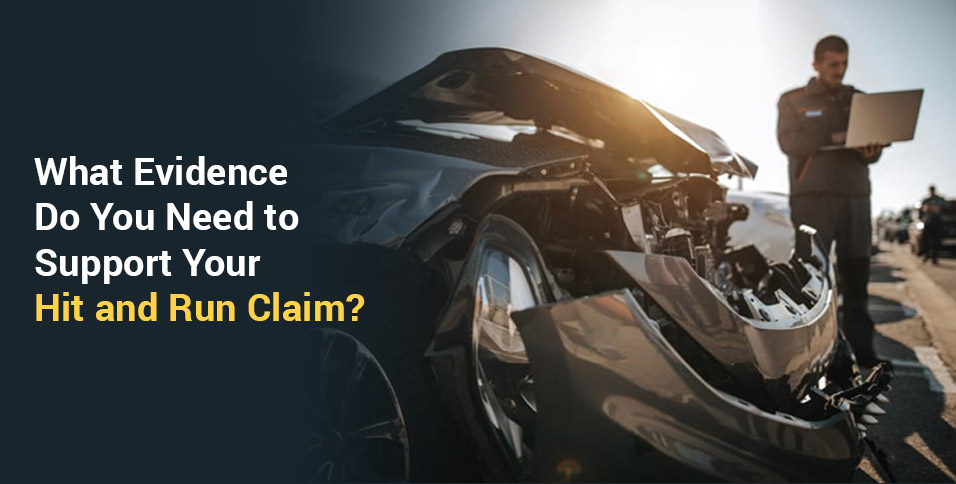
Evidence is key when it comes to any kind of personal injury case, and even more so in a hit and run case. A hit and run is when a driver who is involved in a collision flees the scene. Fleeing the scene of an accident is not just irresponsible but also illegal.
In a standard accident, involved parties will stop to check the damage, exchange information, and inform the authorities about the accident. This helps both parties collect evidence to support their insurance claim. As this doesn’t happen in a hit and run accident, the victim will need extra thorough evidence to support their claim.
Thorough evidence helps victims protect their rights, obtain fair compensation, and, if found, hold the responsible driver accountable. It is crucial that victims start collecting evidence as soon as possible to avoid losing evidence or filing the claim too late.
Immediate Actions After the Accident
If you are involved in a hit and run accident, ensure that you do this immediately after:
- Move to a Safer Spot: It is dangerous to stay exactly where the accident occurred. To avoid further damage, move to a safer location (if possible).
- Note the Damages: Check yourself and other passengers for any injuries, and also check your vehicle for damages.
- Call the Authorities: Once you have ensured your safety, call the authorities. They will dispatch cops and EMTs to check the scene and you.
It is crucial to call emergency services, as the police report and the initial medical check-up help to link your losses to the accident.
Types of Evidence Needed to Support Your Hit-and-Run Claim
Here are the types of evidence you’ll need to strengthen your hit and run accident claim:
1. Police Report
- They are the official report made by the police that investigated the scene of the accident.
- They include documentation of the details like time, location, weather, and witness statements.
- These reports have a number assigned to them, which you can refer to and then collect by applying for a copy.
- They act as an official and neutral assessment of the accident.
2. Witness Testimony
- It is the statement provided by bystanders who saw the accident.
- You can collect them by collecting the names and contact details of those near the scene (who could have witnessed the accident).
- Their statement can confirm the fact that the responsible party fled the scene.
- They also act as a neutral party’s account of the accident.
3. Photographs and Videos
- Thoroughly document the scene of the accident with your phone camera.
- Take pictures and videos of the scene of the accident. Capture any skid marks, weather conditions, etc.
- Take pictures and videos of any injuries that you or your passengers have sustained.
- Take pictures and videos of any damage to your vehicle or other properties.
- Visual proof helps insurance companies and courts understand the incident.
4. Surveillance Footage
- Try to get in touch with nearby businesses or residences to try to get the CCTV footage of the accident.
- If you spot any traffic cameras nearby, you can also try to get hold of that footage.
- The CCTV footage could help find the driver who fled.
5. Medical Records
- After the check-up is done by the EMTs, make sure you also get a full medical checkup done.
- Thorough and immediate documentation allows you to know the full extent of the damages you have sustained.
- Your medical documents also prove your medical damages to the insurance company and the court.
Key Takeaways
- Evidence is crucial to ensure that the victim’s rights are protected, damages are covered, and the responsible party is held accountable.
- Evidence is even more vital in hit and run cases where the victim has no way to contact the responsible driver.
- After the accident hit and run victims need to move to a safer location, check their damages, and call the authorities.
- Hit and run claims are strengthened by evidence like police reports, witness statements, visual documentation of the scene and the damages, surveillance footage, and medical records.