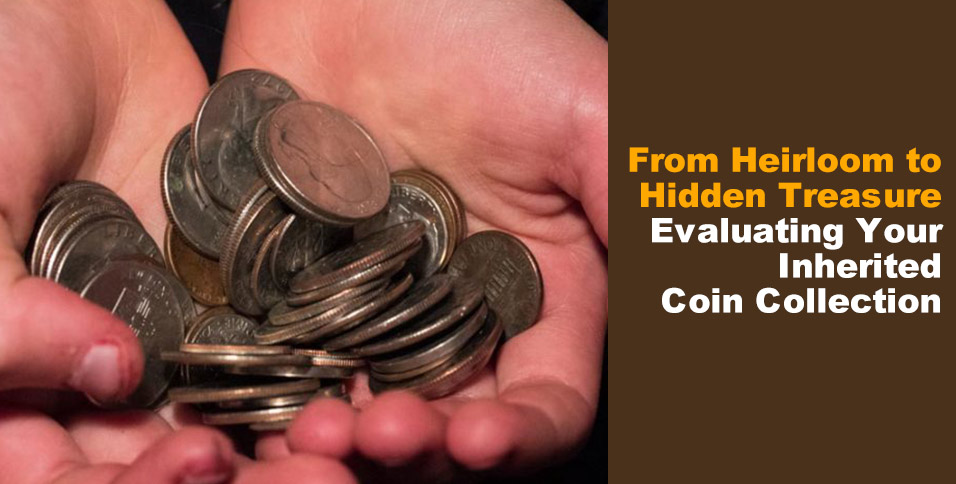
There’s something special about discovering a box of coins that once belonged to a parent, grandparent, or even further back in the family line. They may look like small pieces of metal at first glance, but the moment curiosity takes over, questions begin to surface. Where did they come from? Are they rare? Could they actually be worth something? For many, this is how the journey begins, an unexpected inheritance that might hold more value than anyone ever imagined. That’s when experienced professionals like San Antonio Coin Buyers become essential, providing the kind of expertise needed to uncover the true worth of each coin resting quietly in that old box.
Coins carry more than monetary value; they hold fragments of history, artistry, and legacy. Some were once used in bustling markets decades ago, others may have been minted in limited quantities, their rarity increasing over time. Each coin tells a story, often stretching across generations. But understanding those stories isn’t always simple. For anyone who has inherited a coin collection, knowing what to do next can feel overwhelming. Should the coins be kept, sold, or appraised first? The answer begins with education, patience, and a little professional guidance.
Understanding What You’ve Inherited
Every inherited collection is different. Some might contain coins that were carefully curated by a passionate collector, organized neatly by mint year or country of origin. Others could be a jumble of change from different decades, saved for sentimental reasons. No matter how they came to be, each collection deserves a closer look.
Start by organizing what you have. Separate coins by type, metal, or design if possible. Look for unique markings, mint years, and conditions. Coins that are clean, shiny, and free from scratches may seem more appealing, but surprisingly, untouched coins often hold greater value. Cleaning can strip away natural patina, which collectors consider part of a coin’s authenticity.
Some of the most valuable coins appear quite ordinary to the untrained eye. A small mint error, such as a misplaced date or slightly off-center design, can transform a common coin into something worth hundreds or even thousands of dollars. Rare mint years, limited editions, and historical significance all play a role in determining worth. That’s why taking the time to understand what’s in front of you can make all the difference.
The Role of a Certified Coin Buyer
One of the biggest mistakes people make with inherited collections is assuming that a quick online search or local pawn shop visit will give them a full picture of their value. The truth is, coins are an intricate field of study, and only certified and licensed professionals possess the knowledge and resources to provide accurate appraisals.
Coin buyers who are certified follow strict standards when evaluating collections. They assess condition, rarity, demand, and authenticity, often using specialized tools to inspect fine details invisible to the naked eye. Working with reputable professionals means gaining access to decades of experience, and more importantly, peace of mind.
A certified appraiser can tell whether a coin’s value lies in its gold or silver content, its historical background, or its rarity within the collecting community. This kind of expertise ensures you’re not underpaid or misled, and that each piece is evaluated with integrity.
Why Inherited Coins Often Hold Hidden Value
It’s easy to underestimate the worth of old coins, especially when they’ve been sitting untouched for years. Yet, some of the most remarkable discoveries come from inherited collections that appeared modest at first glance.
A coin minted in the early 1900s, for example, might fetch a surprising amount due to scarcity, while foreign coins or commemorative issues can hold unique collector value. Even modern coins, depending on their design or production error, may carry unexpected worth.
The sentimental value also plays a role in the experience. Knowing that a grandparent once treasured these coins adds emotional significance, making the process of evaluation feel deeply personal. For many, discovering that a loved one unknowingly preserved a valuable collection brings a sense of connection, as though a small piece of their past has been brought back into the present.
Steps to Take Before Selling
Before deciding to sell, it helps to go through a few essential steps that safeguard both financial and emotional interests.
- Document the collection. Take clear photos and record details such as mint dates, denominations, and any visible markings. This helps with organization and provides a reference for appraisers.
- Avoid cleaning. Many sellers assume polishing coins will enhance their appeal, but it often does the opposite. Original patina and natural wear indicate authenticity, and cleaning can damage that surface.
- Research basic information. While professional appraisal is key, familiarizing yourself with common collector terms or identifying known rare coins adds confidence to the process.
- Choose reputable experts. Always look for licensed, certified coin buyers with strong reputations. Transparency, experience, and fair pricing are the hallmarks of trustworthy professionals.
- Take your time. There’s rarely a reason to rush. The value of rare coins doesn’t disappear overnight. Careful evaluation leads to better decisions and often, higher returns.
Common Myths About Selling Inherited Coins
There’s no shortage of misconceptions when it comes to inherited coin collections. One of the most common is that older automatically means more valuable. While age can contribute to worth, condition and rarity matter far more. A pristine coin from a common mint year may still be less valuable than a slightly worn coin from a rare series.
Another myth is that online calculators or quick appraisals can accurately determine value. Although these tools can offer general insights, they often miss key details that only a trained numismatist can identify. Trusting digital shortcuts without professional guidance can lead to undervaluing truly significant pieces.
Lastly, some believe that selling directly to a metal buyer for melt value guarantees fair compensation. In reality, that approach may overlook the collectible aspect of coins entirely. An old silver dollar, for example, could be worth far more as a collector’s piece than for its metal content alone.
The Importance of Trust and Transparency
When dealing with inherited items, trust becomes just as important as expertise. Reputable coin buyers are transparent about how they evaluate coins, often explaining the reasoning behind their pricing and showing comparisons from recognized grading services. This open communication helps sellers feel informed and respected throughout the process.
A genuine professional will never pressure a sale. Instead, they’ll encourage questions and take time to explain every step. That level of honesty and patience builds confidence, especially for those who are new to selling valuable collectibles.
Emotional Value Meets Financial Wisdom
Letting go of inherited items can be emotional, especially when they’re tied to family memories. It’s perfectly natural to feel hesitant about selling, but understanding the true value of a collection helps bring clarity. Knowing the worth of those coins doesn’t mean their sentimental connection is lost, it means honoring their story by giving them the attention they deserve.
Some people choose to keep a few special coins as keepsakes, selling the rest for financial benefit. Others discover that the collection’s value can support something meaningful, such as a child’s education or a charitable donation in a loved one’s name. Whatever the outcome, it’s the knowledge behind the decision that makes it empowering.
Turning Inherited Coins into Opportunity
Once you’ve received a professional appraisal and understand the potential of your collection, you’re in a strong position to make informed choices. Whether that means keeping the coins as a long-term investment, selling select pieces, or parting with the entire collection, the decision becomes one made with confidence rather than uncertainty.
Reliable coin buyers not only evaluate coins but often guide sellers through the selling process. They can connect collectors with private buyers, advise on auction opportunities, or offer direct purchase options at fair market value. For those looking to transform their inheritance into financial or emotional reward, these professionals make all the difference.
A Thoughtful Conclusion
An inherited coin collection represents more than just monetary value, it’s a bridge between generations, a symbol of time preserved in metal and design. Discovering its worth can be both exciting and meaningful, blending the thrill of history with the satisfaction of understanding.
The key lies in approaching the process with patience, curiosity, and trusted guidance. Each coin has a story, and every story deserves to be told with care. With the right expertise, what once seemed like an old box of forgotten change can reveal itself as a true family treasure, one that carries value far beyond its weight in gold or silver.