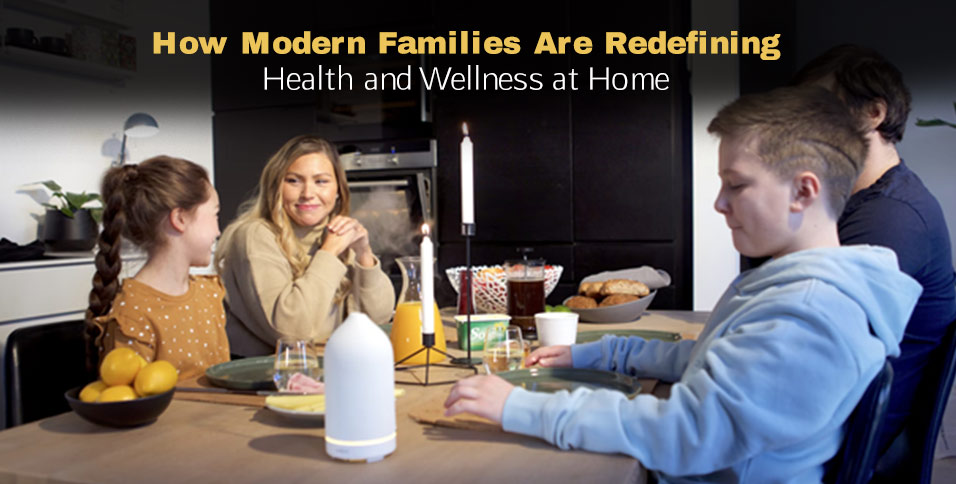
Modern families are changing the way they approach health and wellness at home, showcasing how modern families are redefining health and wellness at home. They are integrating practices that cater to physical, mental, and emotional health. This article explores innovative ways families are creating healthier living spaces, supporting mental well-being, and making sustainable eating choices. Learn how these new practices can benefit your family’s overall wellness.
The evolving meaning of health and wellness for families
In today’s fast-paced world, the concept of health and wellness for families has expanded far beyond traditional physical fitness. Modern families are now embracing a comprehensive approach that includes mental health problems, emotional, and home-based practices. This broader view recognizes that true well-being encompasses all aspects of life, from maintaining physical health to fostering emotional resilience.
Technology, changing work patterns, and busy lifestyles have significantly influenced these evolving wellness needs. With family members often juggling multiple responsibilities, finding time for self-care and family bonding has become more challenging. Yet, these same factors have also driven the development of innovative wellness practices that integrate seamlessly into daily emerging news routines.
Family wellness now involves creating environments that support mental health, emotional well-being, and physical health. It means understanding that each family member, from young children to adolescents and older adults, has unique wellness needs. Addressing these diverse needs helps foster a nurturing environment that promotes the well-being of every family member.
Creating healthier living environments at home
The average American spends a significant portion of their life within their home, making it essential to create a space that promotes health and well-being. Homes are increasingly becoming wellness hubs, with dedicated spaces for relaxation, fitness, and family bonding. This transformation is not just about aesthetics; it’s about creating an environment that supports the daily lives of family members.
Proper ventilation is crucial to managing indoor air quality and reducing pollutants. Some effective practices and investments include:
- Using exhaust hoods while cooking to improve ventilation
- Integrating natural light and reconnecting with nature indoors to enhance mental well-being and overall health
- Investing in ergonomic furniture to support physical health These actions demonstrate a commitment to creating a healthy living environment.
For relaxation and stress relief, many families are even turning to options like massage chairs Australia, which combine comfort with therapeutic benefits. These actions demonstrate a commitment to creating a healthy living environment.
Trends such as home gyms and meditation corners are gaining popularity, reflecting a shift towards incorporating wellness into the fabric of daily life. Maintaining a clean living space by regularly vacuuming with a HEPA filter to reduce allergens and controlling indoor moisture are practical steps families can take to ensure a healthy home environment. Focusing on these aspects allows families to create a sanctuary that supports their overall well-being.
Innovative ways to support relaxation and stress relief
Modern families are prioritizing stress management through at-home practices that promote relaxation and emotional support. Regular physical activity is one of the most effective ways to lower stress levels, enhance mood, and boost self-esteem. Families are finding creative ways to incorporate exercise into their routines, from family walks to home workout sessions.
Techniques such as:
- Deep breathing
- Mindfulness
- Progressive muscle relaxation are powerful tools for managing stress. These practices encourage individuals to slow down, focus on the present moment, and release tension. Incorporating these techniques into daily routines helps create a more relaxed and harmonious home environment.
Self-compassion is another essential element of stress management. Replacing negative self-talk with supportive thoughts can help individuals navigate emotional challenges more effectively. Additionally, listening to the body’s signals, such as fatigue or headaches, can guide family members to take necessary breaks and avoid exacerbating stress. Embracing these innovative approaches allows families to support each other’s well-being and lead healthier, more balanced lives.
Nutrition and sustainable eating choices for families
Nutrition plays a pivotal role in family wellness, and modern families are increasingly focusing on meal planning, organic food, and mindful eating. Consuming more whole foods leads to reduced intake of unhealthy fats, salts, and added sugars, which is particularly beneficial for children’s health. Involving children in food selection and preparation enhances their appreciation for healthy eating and fosters lifelong healthy habits.
Understanding the food supply chain and adopting eco-friendly eating practices are part of a broader process of lifestyle adjustment. These practices not only promote better nutrition but also raise awareness of environmental issues. Positive dietary role models within families can significantly influence children’s eating habits, setting the stage for healthier choices in adulthood.
Balancing convenience with nutritional value is a common challenge for busy families. However, mindful eating and thoughtful meal planning can help families achieve this balance. Prioritizing sustainable eating choices enhances overall wellness while contributing to a healthier planet.
The role of preventive health in family lifestyles
Preventive health is a cornerstone of family wellness, focusing on regular checkups, proactive health monitoring, and early lifestyle changes. These measures are essential for reducing stress and minimizing long-term health risks. Staying vigilant about health helps address potential issues before they become serious problems.
Family caregivers play a crucial role in maintaining the health and well-being of their loved ones, including each parent and parents, especially those dealing with dementia. Their efforts in ensuring regular medical visits for patients, monitoring health conditions, and encouraging healthy habits are invaluable. These proactive steps contribute to the overall well-being of the entire family and support effective parenting.
Preventive health measures also include fostering a supportive environment that prioritizes wellness. This involves educating family members about the importance of health screenings and promoting healthy lifestyle choices. Adopting preventive health practices allows families to enjoy a higher quality of life and reduce the burden of chronic illnesses.
Supporting long-term family planning decisions
Health decisions extend beyond immediate concerns to include long-term family planning, reproductive health, and family growth. For example, couples seeking Vasectomy Reversal in Sydney may be making decisions that reshape their family’s future. These choices are crucial for ensuring the well-being of all members.
Family dynamics play a significant role in caregiving responsibilities and health outcomes. Complex family structures and diverse marital histories can influence how caregiving roles are assigned and managed. Understanding these dynamics is critical for effective family planning and ensuring that all members receive the care and support they need.
Long-term planning also involves considering the needs of grandparents and older adults within the family. Fostering supportive relationships and creating a comprehensive family plan ensures everyone is well cared for and their health and wellness needs are met as we prepare for the future, across generations.
Fitness routines that adapt to busy family life
Integrating exercise into daily routines is a challenge that many families face. However, with the rise of flexible programs and digital platforms, families can now access a variety of fitness options that fit into their busy schedules. From home workouts to family-friendly activities, there are numerous ways to stay active and promote family wellness.
Family-friendly activities such as hiking, cycling, and playing sports together can make exercise enjoyable and strengthen family bonds. These activities not only promote physical health but also provide opportunities for quality family time. For example, spending time making fitness a fun and integral part of daily life supports each other’s health and well-being.
Digital platforms and fitness apps offer flexible and convenient ways to stay active. These tools provide personalized workout plans, track progress, and offer motivation, making it easier for families to maintain their fitness routines. Leveraging these resources helps families adapt their exercise habits to fit their lifestyles and achieve their wellness goals.
Modern approaches to weight management and lifestyle balance
Weight management is a key aspect of family wellness, and modern approaches emphasize holistic strategies that go beyond diet. Sleep, stress control, and physical activity are all critical components of a balanced lifestyle. Addressing these factors helps achieve sustainable weight management and overall well-being.
Structured plans such as a weight loss programme can also provide guidance for families or individuals seeking healthier habits. These plans integrate nutritional advice, physical activity, and long-term lifestyle changes for effective results.
Medication management is also an important consideration for families dealing with weight-related health issues. Working with healthcare professionals to develop a comprehensive plan that includes treatment, medication, lifestyle changes, and regular monitoring can enhance the effectiveness of weight management efforts. This integrated approach ensures that families can maintain their health and well-being.
Balancing daily lives involves prioritizing wellness in all aspects, from nutrition to physical activity and mental health. Adopting a holistic approach to weight management and lifestyle balance creates a supportive environment that promotes long-term health and well-being.
Technology’s influence on family health practices
Technology has become an integral part of family health practices, offering tools that help families track and maintain their wellness goals. These tools include:
- Apps
- Wearables
- Digital resources They provide valuable insights and encourage accountability, making it easier for families to stay on track with their health and wellness routines.
Artificial intelligence and digital health tools can personalize wellness plans and offer real-time feedback, enhancing the effectiveness of health practices. These technologies support healthier daily habits and provide a wealth of information that empowers families to make informed decisions about their health.
Staying connected through technology also fosters a sense of community and support among family members. Leveraging the latest technology enhances health practices and creates a more supportive environment for communication and connection.
Conclusion
Family relationships significantly influence individual well-being throughout life, particularly as people age and social networks shrink. The dynamics of these relationships can provide emotional support while also posing stress, highlighting the dual nature of these interactions. Understanding and addressing these complexities is essential for fostering a nurturing environment that supports overall well-being and the relationship with relatives.
Policies aimed at easing family caregiving burdens can improve both individual and collective health outcomes. Working together to create traditions and habits that strengthen overall well-being allows families to lead healthier, happier lives in peace. Wellness is a collective journey for each person, and by supporting each other, families can achieve their health and wellness goals.
Future research should focus on the intersectionality of family dynamics, considering how multiple social statuses influence health and well-being. Addressing these critical factors helps create a supportive environment that promotes long-term health and happiness, which should remain a priority.
Frequently Asked Questions
How can families create healthier living environments at home?
Families can enhance their living environments by prioritizing proper ventilation, maximizing natural light, employing ergonomic furniture, and ensuring cleanliness throughout the home. These changes contribute significantly to overall well-being and comfort.
What are some effective stress relief practices for families?
Adopting regular physical activity, mindfulness practices, and progressive muscle relaxation can significantly alleviate stress for families. These methods not only enhance well-being but also promote a supportive family environment.
How can families balance convenience with nutritional value in their diets?
To effectively balance convenience with nutritional value, families should prioritize meal planning, involve children in food preparation, and opt for whole foods and organic options. This approach fosters healthier eating habits while ensuring practicality in meal preparation.
Why is preventive health important for family wellness?
Preventive health is crucial for family wellness as it promotes regular checkups and proactive health monitoring, ultimately reducing stress and minimizing long-term health risks. Emphasizing these practices fosters a healthier family dynamic and enhances overall well-being.
How does technology influence family health practices?
Technology significantly enhances family health practices by offering tools like apps and wearables that facilitate the monitoring of wellness goals and foster accountability among family members. This connectivity reinforces a supportive environment for maintaining health.