In the rapidly evolving world of custom apparel printing, Direct-to-Film (DTF) technology has emerged as a game-changing solution that’s revolutionizing how businesses approach garment decoration. Whether you’re a small startup looking to create unique designs or an established company seeking to expand your product offerings, understanding DTF printing can unlock new opportunities for growth and creativity.
What is DTF Printing and Why Does It Matter?
Direct-to-Film printing represents a breakthrough in textile decoration technology that combines the best aspects of traditional screen printing with the flexibility of digital printing. Unlike conventional methods that require extensive setup times and minimum order quantities, DTF printing offers unparalleled versatility for both small-batch and large-scale production runs.
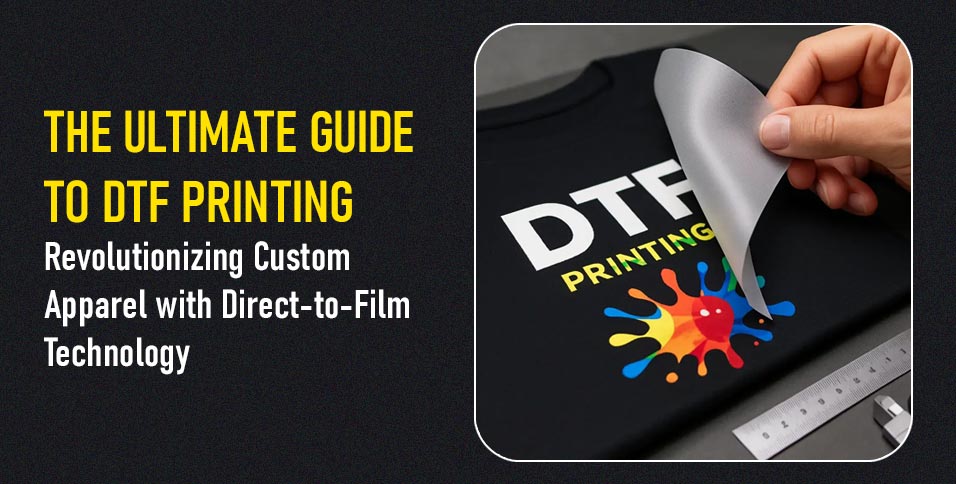
The process involves printing designs onto a special film using water-based inks, followed by the application of hot-melt adhesive powder. This creates a DTF TRANSFER that can be applied to virtually any fabric type, including cotton, polyester, blends, and even challenging materials like leather and canvas. The result is vibrant, durable prints that maintain their quality wash after wash.
The DTF Printing Process: From Design to Finished Product
Understanding the DTF printing workflow is crucial for businesses considering this technology. The process begins with digital design preparation, where artwork is optimized for the specific requirements of DTF printing. Professional services like DTF CENTER utilize advanced software to ensure color accuracy and design integrity throughout the production process.
Once the design is ready, it’s printed onto a specialized PET film using DTF-specific inks. These inks are formulated to provide excellent adhesion while maintaining vibrant colors that won’t fade over time. The printed film then receives an application of hot-melt powder, which acts as the bonding agent between the design and the final garment.
The curing process follows, where the film passes through a heating system that activates the adhesive powder. This step is critical for ensuring proper adhesion and durability of the final transfer. Quality control measures throughout this process ensure that each DTF TRANSFER meets the highest standards for commercial application.
Maximizing Efficiency with DTF Gang Sheets
One of the most significant advantages of DTF printing is the ability to create gang sheets, which dramatically improve production efficiency and cost-effectiveness. DTF GANG SHEETS allow multiple designs or multiple copies of the same design to be printed simultaneously on a single film sheet, maximizing material usage and minimizing waste.
This approach is particularly beneficial for businesses that handle diverse product catalogs or multiple customer orders simultaneously. By strategically arranging designs on gang sheets, production facilities can reduce material costs, decrease processing time, and improve overall profitability while maintaining high quality standards.
The optimization of gang sheet layouts requires expertise in both design software and production planning. Professional DTF printing services excel in creating efficient layouts that balance design integrity with production economics, ensuring that clients receive the best possible value for their investment.
Advantages of DTF Technology Over Traditional Printing Methods
DTF printing offers several compelling advantages over traditional decoration methods like screen printing, heat transfer vinyl, and direct-to-garment (DTG) printing. First and foremost is the incredible versatility in substrate compatibility. While screen printing requires different setups for different fabric types and DTG printing works best on cotton, DTF transfers can be applied to virtually any material.
The durability of DTF prints is another significant advantage. The chemical bonding between the hot-melt adhesive and fabric fibers creates a permanent connection that withstands repeated washing and wearing. Independent testing has shown that properly applied DTF transfers can maintain their appearance and integrity for hundreds of wash cycles.
Color vibrancy and detail reproduction are exceptional with DTF technology. The printing process can accurately reproduce fine details, gradients, and photographic images that would be challenging or impossible with traditional screen printing. This capability opens up new creative possibilities for designers and brands looking to differentiate their products in competitive markets.
Applications and Industries Benefiting from DTF Printing
The versatility of DTF printing has made it valuable across numerous industries and applications. Fashion brands utilize DTF technology for creating limited edition collections, custom merchandise, and seasonal designs without the constraints of minimum order quantities. The ability to produce small batches economically enables brands to test market response to new designs before committing to large production runs.
Sports teams and athletic organizations have embraced DTF printing for custom uniforms, fan merchandise, and promotional items. The durability of DTF transfers makes them ideal for athletic wear that must withstand intense use and frequent washing. Additionally, the ability to reproduce complex logos and designs with perfect clarity ensures brand consistency across all applications.
Corporate clients appreciate DTF printing for employee uniforms, promotional products, and branded merchandise. The technology’s ability to handle both simple text designs and complex multi-color artwork makes it suitable for diverse corporate applications, from executive gifts to large-scale employee events.
Quality Considerations and Best Practices
Achieving optimal results with DTF printing requires attention to several critical factors. Substrate preparation is essential, as any residues, moisture, or contaminants on the fabric can affect transfer adhesion. Professional DTF printing services implement comprehensive quality control procedures to ensure consistent results across all production runs.
Temperature and pressure settings during the transfer application process must be precisely controlled and tailored to specific fabric types. Different materials require different application parameters, and expertise in these settings is crucial for achieving optimal adhesion and appearance. Working with experienced providers ensures that these technical details are properly managed.
Pre-treatment and post-treatment procedures can significantly impact final product quality and longevity. Some fabrics benefit from pre-treatment to improve ink absorption and color vibrancy, while proper post-treatment can enhance wash durability and appearance retention over time.
Environmental and Economic Benefits
DTF printing offers several environmental advantages compared to traditional printing methods. The process uses water-based inks that are more environmentally friendly than solvent-based alternatives. Additionally, the efficiency of gang sheet printing reduces material waste and energy consumption per unit produced.
From an economic perspective, DTF printing eliminates many of the setup costs associated with traditional screen printing. There are no screens to create, no color separations to develop, and no minimum quantities to meet. This makes custom printing accessible to smaller businesses and enables larger companies to offer more personalized products to their customers.
The reduced inventory requirements are another economic benefit. Instead of stocking pre-printed garments in multiple sizes and colors, businesses can maintain inventory of blank garments and produce decorated items on-demand. This approach reduces carrying costs and eliminates the risk of obsolete inventory.
Future Trends and Innovations in DTF Technology
The DTF printing industry continues to evolve with ongoing technological improvements and innovations. Advances in ink formulations are extending the range of available colors and improving fade resistance. New adhesive powder formulations are enhancing wash durability while reducing application temperatures and times.
Automation in DTF production is increasing efficiency and consistency while reducing labor costs. Automated powder application systems, conveyor curing ovens, and robotic transfer application are becoming more common in high-volume production facilities.
Digital workflow integration is streamlining the entire process from order receipt to finished product delivery. Cloud-based systems enable real-time order tracking, automated artwork processing, and seamless communication between customers and production facilities.
Choosing the Right DTF Printing Partner
Selecting the right DTF printing partner is crucial for achieving optimal results and building a successful custom apparel business. Key factors to consider include production capacity, quality standards, turnaround times, and technical expertise. Established providers like DTF CENTER offer the experience and infrastructure necessary to handle both small custom orders and large commercial projects.
Technical support and consultation services are valuable when working with DTF printing partners. The best providers offer guidance on design optimization, material selection, and application techniques to ensure optimal results. This support is particularly important for businesses new to DTF technology.
Reliability and consistency are essential qualities in a DTF printing partner. The ability to deliver high-quality results on schedule is critical for maintaining customer satisfaction and business growth. Established providers have the systems and processes in place to ensure consistent performance across all orders.
DTF printing represents a significant advancement in custom apparel decoration technology, offering unprecedented versatility, quality, and efficiency. The ability to create vibrant, durable prints on virtually any fabric type, combined with the economic benefits of on-demand production and gang sheet optimization, makes DTF printing an attractive solution for businesses of all sizes.
As the technology continues to evolve and improve, DTF printing is positioned to become an increasingly important part of the custom apparel industry. Businesses that embrace this technology early will be well-positioned to capitalize on the growing demand for personalized and custom-decorated products.
Whether you’re looking to expand your current product offerings, start a new custom apparel business, or improve the efficiency of existing operations, DTF printing offers a compelling solution that combines quality, versatility, and economic viability in a single technology platform.