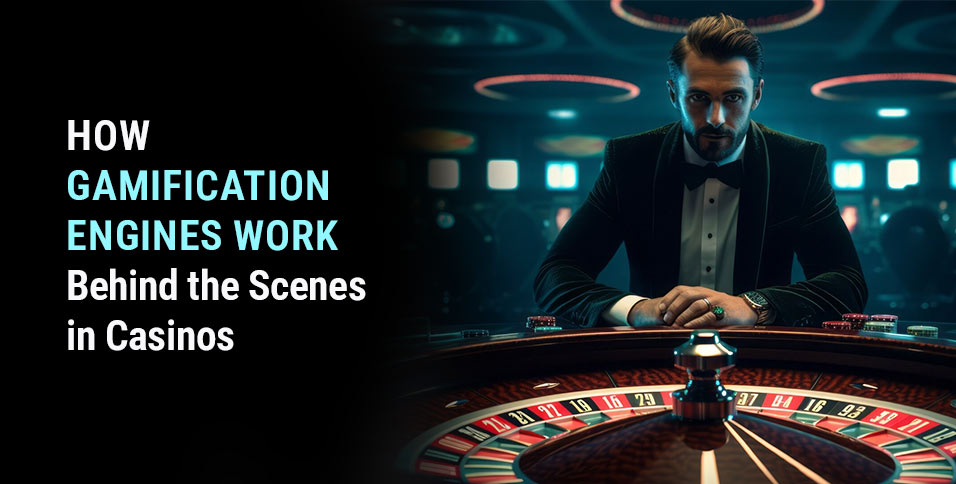
Gamification has become one of the most powerful tools for enhancing player engagement in online casinos. From missions and leaderboards to loyalty levels and rewards, these features are all driven by a sophisticated system operating behind the scenes—a gamification engine. While players enjoy the surface-level fun and challenges, it’s the underlying tech infrastructure that analyzes behavior, tracks progress, and triggers rewards in real time. These engines integrate seamlessly with casino platforms, adapting dynamically to each user’s activity and preferences.
By blending data science, real-time analytics, and behavioral psychology, gamification engines turn ordinary gameplay into a deeply immersive and customized experience. For instance, a player who frequently plays table games might receive surprise live dealer blackjack bonuses after completing specific missions or reaching performance milestones. This not only makes gameplay more exciting but also reinforces retention by aligning rewards with individual behavior.
Core Components of a Gamification Engine
At the heart of any gamification engine are three key components: tracking, rules, and triggers. First, the system continuously tracks user activity—everything from game preferences and session duration to wager sizes and win/loss streaks. This raw behavioral data forms the foundation of personalized player journeys.
Next comes the rules engine, which interprets this data to determine how and when points are awarded, what criteria complete a challenge, and how players advance through levels or tiers. These rules are often highly customizable, allowing casinos to run targeted promotions, seasonal missions, or loyalty schemes tailored to different player segments.
Finally, triggers are the automated actions that activate based on predefined conditions. For instance, a player may unlock a badge after completing a set of games, receive a spin on a reward wheel for hitting a win streak, or get bonus coins for logging in multiple days in a row. These responses are delivered instantly and are typically integrated via APIs with the casino’s back-end systems.
This real-time interaction ensures that every action taken by a player can lead to meaningful recognition or rewards, transforming routine gameplay into a dynamic, goal-oriented experience that fuels continued engagement.
Real-Time Personalization and Dynamic Adaptation
A standout feature of modern gamification engines is their ability to personalize content dynamically. Using AI and machine learning, the system adapts challenges and rewards to each player’s preferences and habits. For example, if a user primarily plays roulette, the engine might generate a roulette-specific quest or customize leaderboard rankings based on roulette achievements.
These systems also fine-tune the user experience in real time, adjusting difficulty levels, reward frequencies, and engagement prompts based on individual behavior. This ensures that each player remains consistently challenged and entertained without being overwhelmed. Key personalization elements include:
- Game-based quests: Tasks centered around a player’s most-played games, like slots, blackjack, or roulette.
- Customized messaging: Notifications and prompts written in a tone and style matching user preferences.
- Adaptive rewards: Bonuses that evolve based on gameplay patterns, such as cashback for frequent bettors or spins for casual users.
- Progressive difficulty: Challenges that scale with a player’s skill and activity level to maintain interest.
This dynamic, AI-driven structure keeps the gameplay fresh and responsive, significantly boosting retention and engagement. It also reduces the manual effort required by operators, making gamification both effective and efficient.
Integration with Loyalty Programs and Marketing
Gamification engines don’t function in isolation—they’re deeply integrated into loyalty systems and promotional campaigns. Progress through gamified elements often ties directly to VIP tiers, cashback levels, or unlockable bonus offers, creating a seamless journey that rewards players at every stage of their experience. As players complete missions or climb leaderboards, they may unlock higher loyalty statuses or exclusive bonuses, reinforcing continued engagement.
Casinos also use gamification layers to deploy targeted promotions such as weekly tournaments, seasonal quests aligned with holidays or events, and time-limited missions that generate urgency and boost activity during off-peak times. These campaigns are integrated without disrupting core gameplay, allowing players to opt in naturally. Meanwhile, the gamification engine collects granular data on participation, progress, and user preferences. This insight enables marketing teams to identify which elements resonate most and adjust future promotions accordingly.
The synergy between gamification and loyalty systems not only deepens emotional and financial commitment but also enhances player lifecycle management. It transforms generic promotions into interactive experiences that feel both personalized and rewarding, increasing long-term retention and satisfaction.