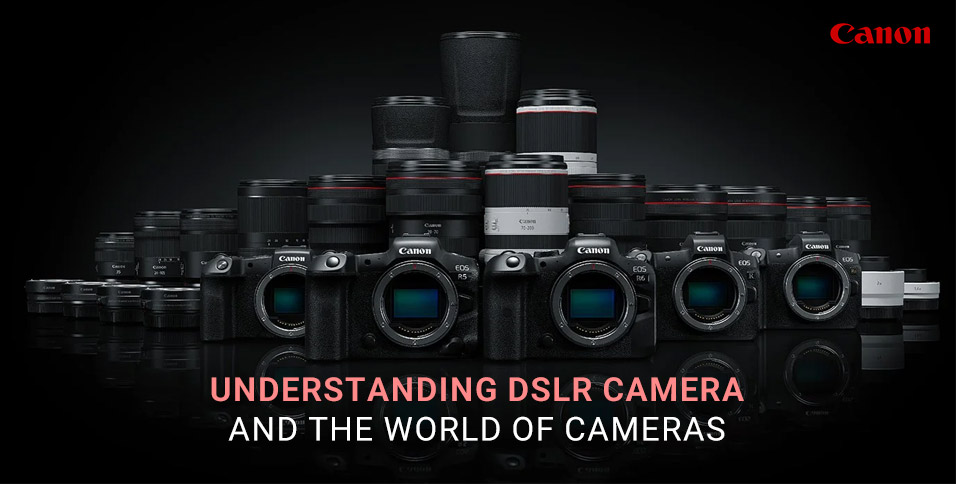
In today’s fast-paced digital age, photography has become more accessible than ever. With the rise of smartphones and compact point-and-shoots, anyone can capture a moment with just a click. However, for those who want to dive deeper into the art and science of photography, understanding different types of cameras—especially DSLR cameras—is essential. Whether you’re a beginner or an aspiring professional, learning about cameras helps you make informed decisions based on your needs, goals, and budget.
What Is a Camera?
At its core, a camera is a device used to capture visual images, either as still photographs or as moving images such as videos. Cameras work by collecting light through a lens and directing it onto a recording surface—either film in analog models or a digital sensor in modern digital cameras. The camera captures the image based on how much light enters and how long it is exposed to that light.
Cameras come in various types and sizes. From professional-grade systems used in filmmaking to tiny lenses in smartphones, each camera serves a specific purpose. The major categories include:
- Smartphone Cameras
- Compact Digital Cameras (Point-and-Shoot)
- Bridge Cameras
- Mirrorless Cameras
- DSLR Cameras
- Medium Format and Large Format Cameras
Among these, DSLR cameras stand out as one of the most popular and versatile options for both amateurs and professionals.
What Is a DSLR Camera?
DSLR stands for Digital Single-Lens Reflex. A DSLR camera combines the mechanics of traditional film SLR cameras with a digital imaging sensor, offering high-quality photography with the flexibility of interchangeable lenses.
How Does a DSLR Work?
The unique feature of a DSLR is its internal mirror and prism system. When you look through the viewfinder, you’re seeing a reflection of what the lens sees via a mirror. When you press the shutter button, the mirror flips up, the shutter opens, and light hits the sensor—capturing the image.
Key Components of a DSLR
- Interchangeable Lenses: You can switch between lenses like wide-angle, macro, or telephoto, depending on the type of photography you’re doing.
- Optical Viewfinder: Unlike smartphones and some digital cameras that use electronic previews, DSLRs give you a true-to-life preview through the viewfinder.
- Manual Controls: Full control over aperture, shutter speed, ISO, and focus gives you complete creative freedom.
- Larger Sensor Size: Compared to smartphones and compact cameras, DSLRs have larger image sensors, which means better image quality, especially in low light.
- Durability and Build Quality: Many DSLRs are built to last and are weather-sealed for outdoor use.
Advantages of DSLR Cameras
DSLRs offer numerous advantages over other types of cameras, particularly for those looking to explore photography more seriously.
1. Superior Image Quality
Due to larger sensors and better optics, DSLR cameras capture more detail, offer higher dynamic range, and perform better in low-light conditions.
2. Creative Control
Photographers can experiment with manual settings, which allows them to control how an image looks—perfect for artistic and professional purposes.
3. Lens Versatility
With a DSLR, you’re not stuck with one lens. You can invest in different lenses to explore various styles of photography, from landscapes and portraits to sports and wildlife.
4. Faster Performance
DSLRs generally offer quicker autofocus and better burst modes (continuous shooting), which are essential for capturing fast-moving subjects like in sports or wildlife photography.
5. Customization and Accessories
From external flashes to battery grips, tripods, and filters, DSLRs support a wide range of accessories that enhance your shooting experience.
Drawbacks to Consider
While DSLRs are powerful tools, they do have some downsides, especially for beginners or casual users:
- Size and Weight: DSLRs are bulkier and heavier than smartphones or compact cameras.
- Learning Curve: Full manual control means a steeper learning curve.
- Cost: Buying a DSLR and lenses can be a significant investment.
DSLR vs. Mirrorless Cameras
In recent years, mirrorless cameras have become strong competitors to DSLRs. Mirrorless models offer many of the same benefits—interchangeable lenses, high image quality—but without the bulky mirror mechanism. This makes them lighter and more compact. However, DSLRs still hold their own in terms of battery life, lens availability, and traditional viewfinder experience.
Choosing the Right Camera for You
When choosing a camera, it’s important to consider what you want to achieve:
- Casual Users: A smartphone or compact digital camera may be enough.
- Beginner Photographers: A DSLR with a basic kit lens is a great way to learn photography fundamentals.
- Advanced Enthusiasts or Professionals: High-end DSLRs or mirrorless systems offer advanced features and customization for serious projects.
Final Thoughts
DSLR cameras continue to be a go-to choice for photographers seeking precision, power, and flexibility. While other camera types have gained popularity—especially mirrorless and smartphone cameras—DSLRs still offer unmatched control and image quality for those who want to take their photography to the next level.
Whether you’re capturing family moments, exploring nature, or building a photography career, investing time in learning how a camera works—especially a DSLR—can significantly enhance your creative journey.
Also Remove: How to Fix Grainy Photos?