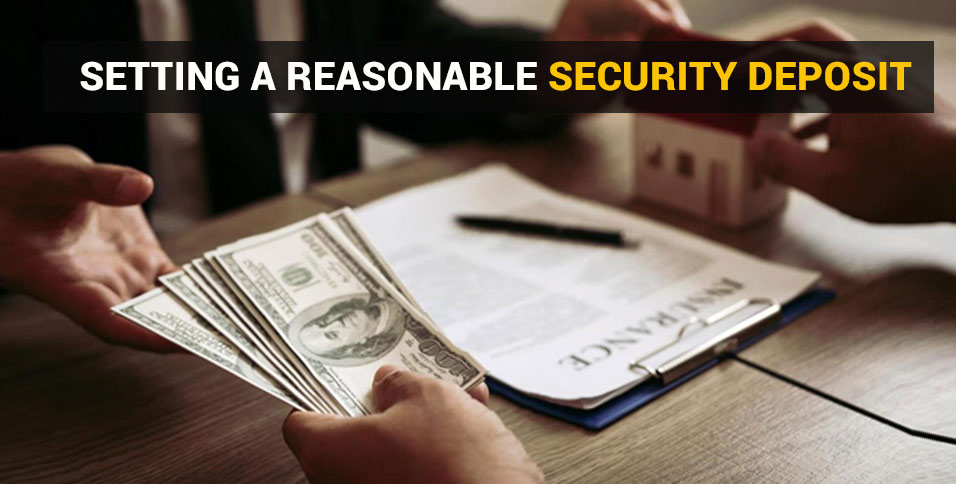
We all know security deposits can be tricky. You set them too high; you risk turning away good tenants. And when you set them too low, you might not be covered when things go wrong. It’s more like a balancing act that every homeowner has to figure out, especially in today’s rental market, where affordability and protection go hand in hand.
If you’ve ever asked yourself, “How much is too much?” or “What’s considered fair?”, you’re not alone. Many landlords struggle with striking the right balance between protecting their property and staying competitive. After all, understanding how to set a reasonable security deposit is vital. In light of this, continue reading below as this post breaks down how to set a reasonable security deposit.
Why Does a Security Deposit Matter for Rental Protection?
Security deposits may be viewed as a small detail to a landlord, but they are much more than that, as a ‘buffer’ with a very specific set of circumstances when they are fully processed and being held. You are in a much weaker position, and you are not risk-free, but at least now you have some money tied to the situation that is for the damages beyond mere wear and tear or one month’s rent. Your worst nightmare is when there is no security deposit, you may end up staring at a damage bill, complete clean, and potentially even legal fees if applicable, if something does go awry.
It also sets the stage and delineates expectations upfront. Tenants are more likely to take better care of the property, knowing they have money at stake. You feel a little better knowing the money creates some accountability.
Tenants can feel a sense of comfort knowing that their security deposit is refundable. They will most likely treat the space with utmost care as much as possible, knowing their security deposit will depend on it. It also provides a degree of mutual accountability that is part of any landlord-tenant relationship, which the relationship can be deemed to be positive. While it may seem like a small point of contention, it is important to you to protect your investment and mutual fairness.
Factors to Consider When Setting a Security Deposit
1. Use Monthly Rent and Property Type
The most practical reference point for determining a security deposit is the monthly rent. Most landlords charge one month’s rent, but depending on your state laws and the condition of your property, you might decide on more or less. You can work with an experienced Baltimore rental property manager to stay updated on security deposit laws. Asking for enough to cover any damage or unpaid rent without making it too expensive for qualified tenants to move in is the goal.
Your property type is also very important. Asking for a larger deposit is reasonable if you’re renting out a luxury apartment with brand-new appliances and high-end finishes. On the other hand, a smaller deposit could draw in the ideal tenants more quickly if the property is older or a bit cheaper.
At the end of the day, it all comes down to finding a balance enough to protect your space but not so high that it feels like a financial burden. You should think of it as setting the tone for a respectful, low-stress rental experience.
2. Market Conditions
Look closely at the local rental market before deciding on a security deposit amount. Create a balance in setting security deposits by researching current rental market rates. How much are other local landlords asking? If your asking price is far higher, you may lose out on good tenants who find better offers nearby. However, if your deposit is too small, it can be interpreted as you’re not serious, or leave you unprotected if things go wrong.
In a competitive rental market with high demand, tenants may expect to pay a bigger deposit because market conditions also change. However, in a softer market where rentals remain vacant for a long period of time, a lower deposit can make your home appealing.
You should also check listings in your neighborhood, compare properties similar to yours, and see what feels reasonable. Your goal isn’t just to match the market, it’s to stay competitive while still protecting your property.
3. Local Regulations on Security Deposit
Take your local laws very seriously before determining how much to charge for a security deposit. The maximum amount you can collect in some states is typically equal to one or two months’ rent. Others have rules about how you store the deposit, when you return it, and whether it needs to earn interest while it’s held. Even if you have the best of intentions, you may face legal issues if you disregard these regulations.
Don’t merely base your decisions on what other landlords charge. What is permitted in one county or city may be entirely different in another. Before you finalize anything, it’s worth taking a moment to research your state’s or your local housing rules, or even consult a real estate attorney.
Staying compliant protects you from more than just penalties and lawsuits. It also helps build trust with tenants. When people see that you follow the rules, they are more likely to honor your lease conditions and treat your property with care.
How do Property Managers Help Set Fair and Legal Security Deposits?
A property manager is a great resource if you’re unsure of how to set up a fair and legal security deposit. They are more knowledgeable about local rules than most landlords and have done this numerous times. Rather than speculating or searching for every detail online, you get to receive professional advice on what is appropriate and reasonable in your local area.
A competent property manager will assess your rental, evaluate it against comparable properties, and assist you in determining a deposit amount that protects your interests without turning away potential tenants. In order to protect you in the event of a disagreement, they can also take care of the paperwork, ensure that the deposit is kept appropriately (if mandated by law), and record everything.
In a way, you’re paying them for peace of mind, not just to get your rent. And that peace of mind can save you a great deal of headaches later on when it comes to security deposits.
Conclusion
Setting a reasonable security deposit is more about protecting your rental while staying fair and legal. When you understand your local laws, consider your property type, and stay updated on the rental market trends, you’re more likely to attract great tenants and avoid expensive mistakes. If you’re unsure, a property manager can guide you through the process with less stress. At the end of the day, a fair deposit sets the tone for a solid rental relationship, one built on trust, clarity, and mutual respect.
Also Read: Navigating Commercial Lease Agreements: Essential Terms Every Tenant Should Know