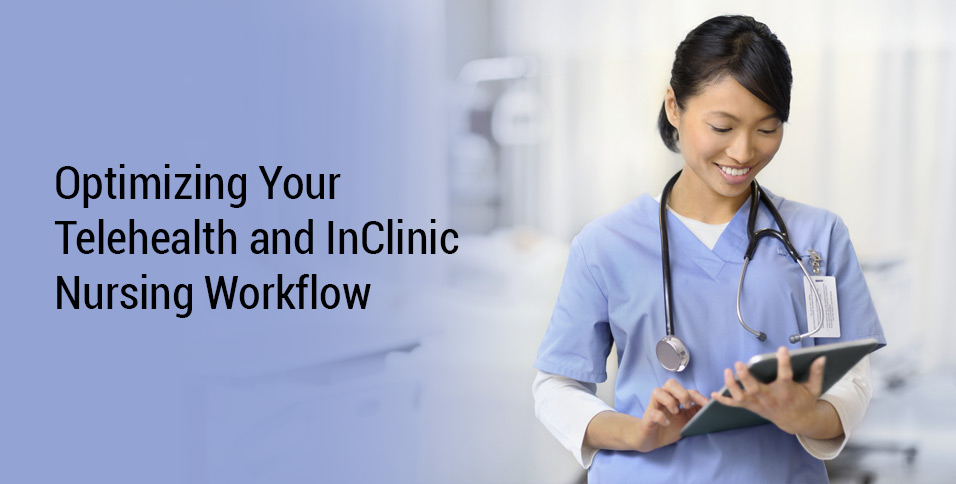
The evolution of healthcare delivery has dramatically transformed the way nurses provide care across telehealth and in-clinic settings. The rapid adoption of virtual consultations, accelerated by the pandemic, has required nurses to adapt workflows to manage both modalities without compromising patient outcomes. This shift has highlighted the need for strategic planning, technology integration, and robust training to ensure that nurses can navigate diverse care environments seamlessly.
Managing a hybrid model of care means nurses must handle a growing array of responsibilities, from patient education during video consultations to hands-on clinical assessments in exam rooms. This duality can create friction if workflows are not thoughtfully designed to reduce redundancy and administrative burdens. As a result, healthcare organizations are under increasing pressure to create processes that empower nurses to deliver efficient and consistent care regardless of location.
Leaders in nursing administration recognize that optimizing workflows is critical for maintaining quality standards and reducing burnout. Establishing clear protocols and leveraging supportive digital tools can help nurses transition smoothly between telehealth and in-person duties. As healthcare continues to evolve, organizations that invest in workflow optimization will be better positioned to improve patient satisfaction and retain skilled clinicians.
Integrating Digital Tools to Streamline Operations
Telehealth has emerged as an essential platform for patient care, yet its success depends heavily on combining digital tools with established clinical protocols in nursing workflows. Electronic health records (EHRs), secure messaging platforms, and virtual visit software can create an environment where documentation, follow-up, and care coordination happen seamlessly. When implemented thoughtfully, these technologies eliminate redundant data entry and reduce errors that can arise from manual processes.
One of the most significant advantages of technology is its ability to automate routine tasks that traditionally consumed valuable nursing hours. Appointment reminders, pre-visit questionnaires, and automated follow-up instructions are examples of functions that technology can manage efficiently. By freeing nurses from repetitive administrative tasks, these tools enable more time for direct patient engagement and critical thinking activities.
To make the most of digital platforms, organizations should provide training that helps nurses become proficient and confident with the systems they use daily. Moreover, fostering collaboration among IT teams, clinical leaders, and frontline nurses can surface workflow gaps and identify solutions that align with real-world practice. For example, exploring thoughtful approaches to balancing virtual consultations with traditional in-person care can offer practical insights that help teams create more cohesive processes across care settings.
Enhancing Communication Protocols
Effective communication is the cornerstone of a well-functioning hybrid workflow. Nurses must often coordinate with physicians, care managers, and patients across multiple platforms, which can create confusion without clearly defined protocols. Establishing standard operating procedures for communication can help ensure that critical information is shared consistently and accurately.
In telehealth, structured communication plans may include pre-visit checklists, standardized greetings, and post-visit summaries to guide patient interactions. For in-clinic care, nurses can benefit from designated communication channels for urgent issues and routine updates, such as secure messaging or team huddles. Consistency across these environments helps prevent misunderstandings and supports continuity of care.
Training is equally important in reinforcing these communication standards. Simulation exercises and scenario-based workshops can prepare nurses to navigate complex conversations in virtual and in-person settings. Regular feedback sessions allow teams to refine protocols and share insights about what works effectively. Over time, these investments create a culture where clear communication underpins every patient encounter.
Prioritizing Patient Engagement and Education
A critical component of any nursing workflow is the ability to educate and engage patients meaningfully. Telehealth introduces new challenges in this regard because nurses cannot rely on physical cues or environmental context as they would in the clinic. Developing tailored strategies to keep patients informed and motivated during virtual visits is essential for maintaining trust and adherence.
One effective approach is to leverage visual aids and digital resources that can be shared on-screen during consultations. These tools can illustrate complex medical information, demonstrate equipment use, or guide patients through self-care techniques. For in-clinic care, hands-on demonstrations and printed materials remain valuable methods to reinforce key messages. The combination of both approaches ensures that patients have access to information in the format that best suits their learning style.
Ongoing communication after the visit is equally important for sustaining engagement. Follow-up calls, secure messaging, and automated reminders can encourage patients to adhere to care plans and report any changes in their condition promptly. By integrating patient education into every step of the workflow, nurses can foster stronger relationships and promote better health outcomes.
Standardizing Documentation Practices
Documentation serves as the foundation of clinical decision-making, regulatory compliance, and quality improvement. In hybrid nursing workflows, maintaining consistent documentation practices across telehealth and in-clinic encounters is especially important. Disparities in charting standards can lead to gaps in care and increase the risk of errors that impact patient safety.
Standardizing documentation templates and processes helps streamline the recording of assessments, interventions, and patient communications. This uniformity not only reduces variability but also improves the efficiency of chart reviews and audits. For telehealth visits, documentation should include specific details about the technology used, the location of the patient, and any limitations encountered during the assessment.
Training and periodic audits reinforce adherence to documentation standards. Regularly reviewing records can identify patterns that require attention, such as incomplete fields or inconsistent terminology. By investing in consistent documentation practices, healthcare organizations support both regulatory compliance and the delivery of high-quality care across all settings.
Supporting Nurse Wellbeing and Resilience
The demands of managing hybrid workflows can contribute to stress and fatigue among nurses. Shifting between telehealth and in-clinic responsibilities requires adaptability and sustained focus. Without adequate support systems in place, the cumulative impact of these demands can lead to burnout, absenteeism, and high turnover rates.
Organizations can mitigate these risks by fostering a culture that prioritizes nurse wellbeing. This begins with adequate staffing levels to ensure workloads remain manageable. Flexible scheduling, access to mental health resources, and opportunities for peer support are additional strategies that promote resilience. Leaders who model healthy work habits and provide regular encouragement help normalize self-care practices.
Recognizing and celebrating the contributions of nurses is another important factor in sustaining morale. Whether through formal recognition programs or informal expressions of appreciation, acknowledgment reinforces a sense of purpose and belonging. By addressing the human side of workflow optimization, healthcare organizations can create environments where nurses thrive and deliver their best care.
Measuring and Refining Workflow Performance
Continuous improvement is essential to sustaining effective workflows over time. Healthcare organizations should establish metrics that track performance across telehealth and in-clinic care, including patient satisfaction, appointment completion rates, and clinical outcomes. Regularly reviewing these indicators allows teams to identify areas where workflows can be refined or redesigned.
Engaging nurses in performance measurement encourages ownership and accountability. Frontline staff have firsthand knowledge of workflow challenges and are often the best source of ideas for practical solutions. Structured feedback mechanisms, such as surveys or focus groups, provide a platform for nurses to share their experiences and propose improvements.
When workflow refinements are implemented, it is important to communicate the rationale behind the changes and provide training to support adoption. Transparent communication helps build trust and reinforces the organization’s commitment to continuous learning. By making workflow optimization an ongoing priority, healthcare organizations can adapt effectively to evolving patient needs and care delivery models.
Also Read: The Role of a Medical Courier in Clinical Logistics