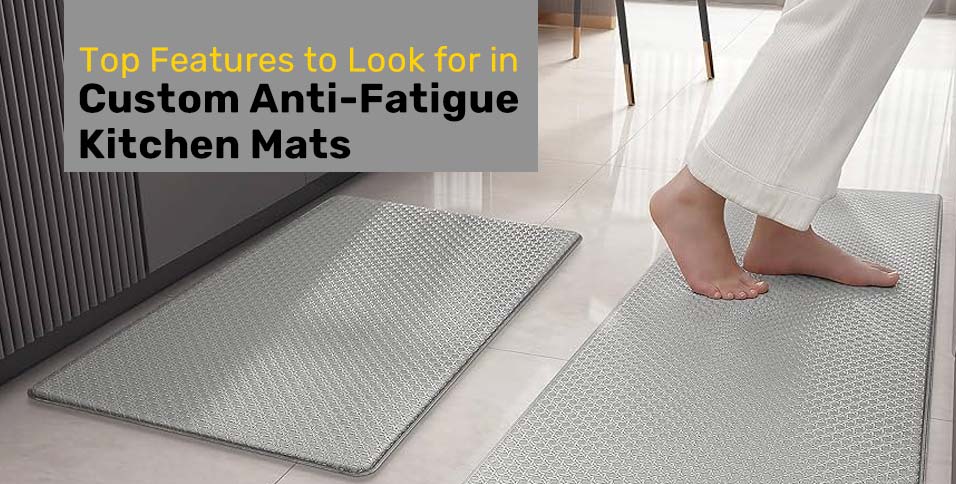
Working in the kitchen often requires standing for extended periods, which can lead to discomfort and fatigue. Custom anti-fatigue mats offer a solution by providing the much-needed comfort and support.
Selecting the right mat can enhance your kitchen experience, reducing strain and promoting well-being. This post explores the essential features to consider when choosing anti-fatigue kitchen mats.
Material Quality
A mat’s performance and longevity depend on its material. Choosing higher-quality materials, such as gel or memory foam, can be beneficial as they provide superior support and cushioning. This aids in better weight distribution and less strain on joints.
Moreover, the material used affects the mat’s durability. Choosing a more durable option guarantees a longer product life and continued comfort.
Thickness and Cushioning
One key feature of custom-size anti-fatigue floor mats is their thickness. Sufficiently thick mats provide better cushioning, which is essential for fatigue reduction. A rubber mat that’s either too thin or too thick won’t give you proper support. Finding the right balance is key to optimal selection.
Generally, a thickness of around half an inch to three-quarters of an inch is ideal for providing support while still enabling stability.
Slip Resistance
Everyone prioritizes a safe kitchen. Slip-resistant mats reduce the chances of accidents. Choose mats with a non-slip backing and textured surfaces. These features allow the mat not to slip on the floor, whether it is made of tile, wood, or vinyl. A safe mat not only improves safety but also provides peace of mind while you perform your kitchen tasks.
Easy Maintenance
Given that kitchens can be messy, floor mats need to be easy to clean. Mats made from easy-to-clean fabrics can often be cleaned with a wipe or two, making it easy to remove stains with a cloth or sponge and some warm water. Some mats are machine washable, too, which adds to the convenience. Thoroughly cleaning the doormat or kitchen mat will help keep it free from bacteria or bad odor, thereby maintaining a clean kitchen atmosphere.
Stylish Design
Okay, you can reach here even if functionality is key, but still, design matters! Their colors and patterns can be made to suit the kitchen decor since they can be customized. Choose a stylish mat that will give a little boost to the overall look and feel of the space and make it very welcoming. By choosing a design that suits personal preference, it helps to ensure the mat is a welcome addition in the kitchen.
Size and Shape
The rug should match the kitchen’s shape and dimensions. Longer mats are great for in front of counters or sinks, and smaller mats fit in tight spots especially well. Customized sizing creates a perfect-fitting garment and fills up space where you require it. Choosing the right size and shape ensures maximum comfort and efficiency in the kitchen.
Environmental Considerations
Eco-friendly mats are available for individuals who want to reduce their carbon footprint. Made from sustainable materials, these mats offer the same benefits without harming the environment. Choosing an eco-friendly option aligns with a commitment to sustainability and responsible consumption.
Support and Comfort
Apart from just being able to provide physical cushioning, mats can have supplementary support. For enhanced comfort during long periods of standing, choose contoured designs or the built-in arch. These features address unique needs to deliver targeted relief to some of the most common pressure points. By recognizing your own comfort needs, it becomes much easier to choose a mat that delivers on comfort.
Warranty and Guarantee
A solid guarantee or warranty speaks volumes about the quality of the product. Many manufacturers back their mats with warranties, confident that yours won’t face any defects or problems. A good warranty provides peace of mind, assuring you that assistance is at hand should the item fail to deliver.
Conclusion
Selecting the right custom anti-fatigue kitchen mat involves evaluating several key features. Material quality, thickness, slip resistance, and ease of maintenance are key features to look for. Additionally, considering design, size, environmental impact, and warranty enhances the selection process. By focusing on these aspects, you can find a mat that not only alleviates discomfort but also complements your kitchen’s aesthetics. Investing in a high-quality mat is a step toward creating a more comfortable and enjoyable kitchen experience.
Also read: Luxury Home Improvements That Actually Pay Off in the Long Run