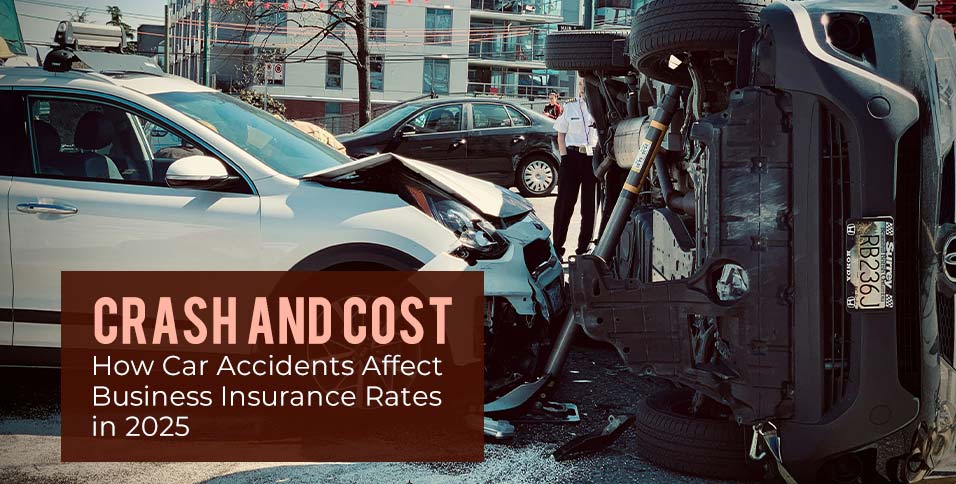
In 2025, car accidents remain one of the most underestimated financial threats to small and medium-sized businesses in the U.S., particularly in states like Florida, where urban sprawl, tourism traffic, and aggressive driving patterns compound daily risk. A crash involving a company vehicle or an employee on duty can send insurance premiums soaring, disrupt operations, and trigger legal disputes that drain valuable resources.
Whether you run a local plumbing service in Orlando or manage a fleet of delivery vehicles across Florida, understanding how auto incidents impact your bottom line is no longer optional—it’s critical to your business’s survival.
The Hidden Costs of Collisions: It’s More Than Repairs
Many business owners still view car accidents as isolated, short-term setbacks. They file a claim, fix the vehicle, and move on—right? Not anymore.
According to the National Highway Traffic Safety Administration (NHTSA), the average economic cost of a crash in the U.S. exceeds $12,000, and that’s before factoring in injuries or fatalities. For businesses, the financial impact multiplies when you account for:
- Premium hikes of 20%–40% or more
- Vehicle downtime, lost productivity, and staff absences
- Litigation and settlement costs, especially in injury cases
- Brand damage, particularly for customer-facing businesses
In Florida, where roads are crowded with tourists, rideshare drivers, and commercial traffic, insurance providers scrutinize every commercial policy. A single claim can reclassify your business as high-risk, affecting not only your auto policy but also property and liability coverage.
Florida’s Legal Landscape: Why It’s Even Riskier Here
Florida’s no-fault insurance system means each driver’s policy covers their injuries, regardless of who caused the accident. While this might sound protective, it often results in more claims filed, something insurers flag as risky behavior.
Add to that recent legal changes:
- As of 2023, the statute of limitations for negligence claims in Florida was shortened to two years (down from four), leaving businesses with less time to prepare a defense.
- Florida now uses a modified comparative negligence rule—if your employee is found more than 50% at fault, your business may be barred from recovering damages.
If an employee crashes while driving to a job site, making a delivery, or meeting a client, your company could be held vicariously liable, and the legal and financial consequences can escalate fast.
Accidents involving corporate vehicles often lead to complex legal disputes. A trusted car accident attorney in Orlando can help resolve claims efficiently while protecting your business’s reputation.
After the Crash: What to Expect From Insurers
In 2025, most insurers will rely on data-driven tools and AI-based risk models to reassess premiums. One accident, especially one involving bodily injury, can lead to:
- Premium increases of 20%–60% at renewal
- Reduced policy options (some carriers may drop your business)
- Higher deductibles or reduced coverage limits
- Mandatory driver safety programs as a condition of renewal
Businesses with commercial fleets or staff-assigned vehicles are especially vulnerable. According to the Insurance Information Institute (III), companies with poor driving records can pay up to 2.5x times more for their policies.
How to Lower Risk (and Costs): Smart Prevention Strategies
To stay ahead of premium hikes and coverage restrictions, Florida business owners should adopt a proactive approach:
- Implement a driver safety policy—including training, background checks, and driving record reviews.
- Use GPS tracking and mileage logs to flag unusual vehicle use or patterns.
- Review your coverage regularly with a broker who knows Florida’s legal and insurance landscape.
- Set up a legal response plan that includes contacting counsel immediately after any incident.
Showing insurers that your business takes risk seriously can help you maintain lower premium tiers, even after a minor crash.
Conclusion: Legal Readiness Is Financial Readiness
In a data-driven insurance era, one accident can send ripple effects through your business’s entire financial structure. For Florida-based companies, the risks are magnified by evolving laws, crowded roads, and increasingly complex insurance models.Investing in safety protocols and legal preparedness isn’t just about compliance, it’s about protecting your bottom line. When the unexpected happens, having an experienced attorney by your side can make the difference between a fast resolution and a prolonged, expensive legal battle.
Also Read: Common Causes of Car Accidents in Miami and How to Avoid Them