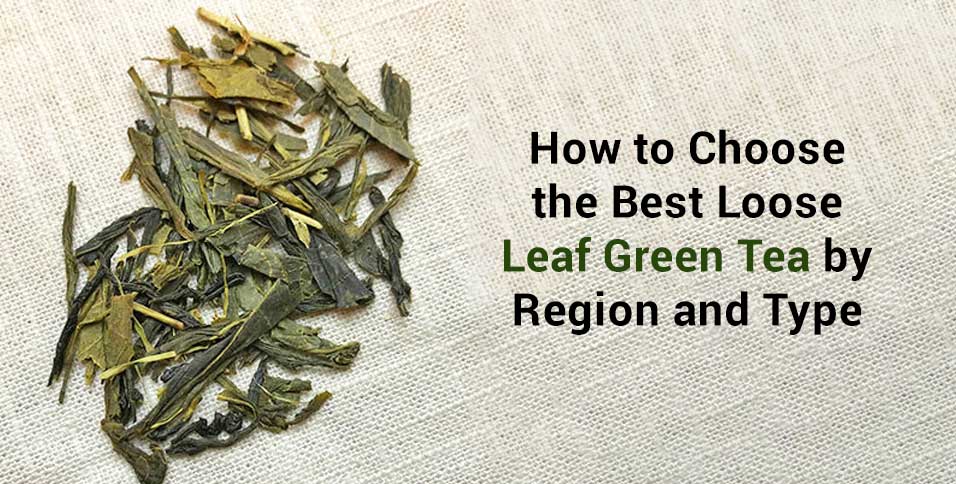
Picking the finest loose-leaf green tea could be an enjoyable but complicated process. Tea is so many things—so many regions, so many types—that the tea drinker can be left bewildered. The subtle nuances of each region and type can enhance the selection and the experience of drinking tea. Understanding your different regions and loose leaf green tea types will help guide you in choosing the best leaves.
Exploring the Varieties by Region
One big factor that determines the taste and smell of green tea is where it is grown. Different regions contribute unique characteristics to the leaves.
China: The Motherland of Green Tea
Often called the birthplace of green tea, China offers many types. Some of the best loose-leaf green teas are produced in Chinese regions of Zhejiang, Anhui, and Jiangxi.
Take, for example, the smooth, sweet flavor of Zhejiang’s Longjing, dubbed Dragon Well, with its flat, emerald leaves. Likewise, Huangshan Maofeng from Anhui is renowned for its light fragrance and hastily floral taste. Chinese green teas, as they can be so diverse, will certainly give your taste buds an adventure.
Japan: The Essence of Freshness
Japanese loose-leaf green teas are known for their bold color and vegetal notes, which are preserved through steaming. Famous growing regions include Shizuoka, Uji, and Kagoshima. The taste balances the grassy flavor with its sweet aftertaste characteristic of Shizuoka, famous for its Sencha. Meanwhile, Uji is famous for Matcha, powdered green tea, which is used in traditional tea ceremonies, offering a unique and refreshing experience for lovers of Japanese green tea..
India and Beyond
China and Japan may be popular for introducing green tea to the world, but India, the land of ‘chai,’ also contributes to this category. While black teas are well known in India, particularly in Assam and Darjeeling, the country has progressively started producing green teas.
Green teas from India are often stronger, which may appeal to those who prefer a fuller flavor. Teas from Sri Lanka and Vietnam also add to the diversity of the tea collection.
Types of Green Tea Explained
Outside of the regional differences, there are several different types of green tea with unique processing methods and flavor profiles.
Sencha: A Japanese Staple
Sencha is a large part of Japan’s tea production. The leaves are steamed, then rolled, then dried, ultimately giving a really fresh, grassy flavor. Sencha ranges from sweet to mildly astringent, depending on the region and processing method. It is perfectly balanced, making this tea suitable for beginners and experts.
Longjing: Dragon Well of China
Longjing, or Dragon Well, is a famous Chinese green tea. Its flat jade green leaves are grown in Zhejiang Province and produce a light, mellow flavor with nutty notes.
Longjing is a traditional Chinese tea craftsmanship, finest buds and coloured leaves, handpicked and pan-fired. A smooth, subtle flavour makes this classic tea ideal for the comfort seeker.
Matcha: The Powder of Ceremonial Use
Japanese tea ceremonies revolve around matcha, a ground green tea powder. Its intense green color and umami taste make it the preferred tea of true aficionados. Matcha is a frothy, energizing drink prepared by whisking with hot water. It is for people who like a strong flavor.
Gyokuro: The Shaded Gem
Gyokuro, one of the most prized types of Japanese green tea, is shaded ahead of harvest to improve the flavor. The method results in a sweet, mellow flavour with a heavy floral scent. This tea is visually appealing due to its high chlorophyll content, which gives the tea its deep green colour. Gyokuro is a more expensive tea that is best used for special occasions.
Conclusion
Finding the best loose-leaf green tea involves understanding the regional characteristics and tea types. From the silky smoothness of China’s Longjing to the bright, herbaceous profile of Japan’s Sencha, there is a tea for everyone. Appreciating the subtleties of different regions and styles can enrich the enjoyment of this ancient beverage among tea lovers. A whole world of green tea is waiting to be explored, with flavors and aromas as diverse as the regions from which they originate.
Also Read: Tea and Mental Health: How Tea Can Improve Your Mood