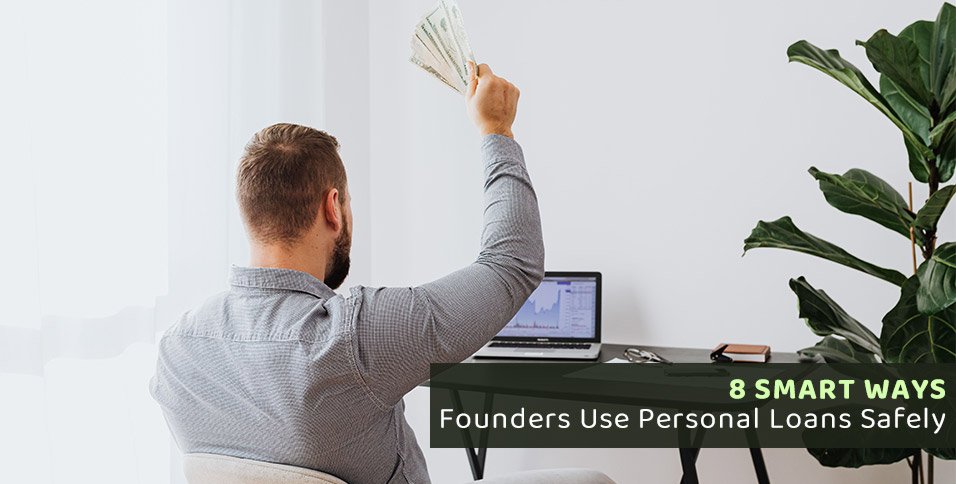
There are over 1.5 million startups in the US, and founders looking to secure capital can discover that conventional business financing isn’t an option. Early-stage startups often lack the multi-year tax returns or commercial collateral traditional banks require.
When execution needs to be fast, personal loans offer speed and predictable terms. Used strategically, borrowing against personal credit can bridge temporary capital gaps without giving away equity.
1. Bridging Receivables and Cash Flow Gaps
B2B clients frequently demand 60 to 90-day payment terms, creating severe cash flow bottlenecks for growing companies. A founder with invoices waiting to settle still faces immediate obligations like payroll and software subscriptions.
A fixed-rate personal loan provides cash to cover operational costs while waiting on client payments. Once the receivables arrive, the loan principal can be paid down immediately. Combined with useful B2B technologies, you’ll be on firmer financial footing in no time.
2. Consolidating High-Interest Business Cards
Credit cards are convenient for day-to-day spending, but carrying balances month to month adds compounded interest. Over months, variable interest rates eat directly into company operating margins.
Replacing high-interest card debt with a fixed-term structure locks in predictable monthly payments. Taking time to find the right personal loan solution allows founders to restructure existing liabilities and lower overall borrowing costs. A reputable lender will be a useful ally as your company grows, so it’s doubly worth doing.
3. Financing Specialized Certifications and Skill Upgrades
Client trust frequently hinges on accredited credentials, industry certifications, or specialized technical training. These qualifications can open doors to larger enterprise contracts and higher billable rates.
Personal unsecured loans offer capital for tuition and testing fees without tapping company cash reserves. The return on investment is immediate when those credentials unlock higher-tier pricing structures.
4. Testing Piloted Marketing Campaigns
Launching a full marketing push before verifying conversion metrics risks wasting capital. Small-scale campaigns let founders safely test messaging, ad creatives, and customer acquisition channels.
Small loan amounts offer the precise funding needed to run controlled acquisition tests. Once a campaign shows a positive return on ad spend, the business can deploy larger, revenue-backed budgets.
5. Locking in Upfront Supplier Discounts
Suppliers regularly offer cash discounts for early invoice settlement or bulk material orders. According to Federal Reserve data, only 42% of small business applicants receive all the traditional financing they seek from commercial institutions.
Entrepreneurs frequently utilize unsecured capital to capture these vendor terms:
- Securing early payment discounts on essential raw materials
- Purchasing seasonal inventory units in bulk at reduced costs
- Locking in annual software contracts over higher monthly tiers
Supplier discounts often yield savings that outweigh the interest costs of a short-term personal loan.
6. Funding Essential Equipment Purchases
Broken laptops, specialized machinery, or server hardware can freeze operations completely. Waiting weeks for commercial equipment loan approvals leads to costly downtime and lost sales.
Personal loans provide rapid funding to purchase or repair business-critical assets immediately. Fast access to capital keeps client deliverables moving forward without operational interruption.
7. Relocating Operations for New Growth
Moving into a dedicated studio, warehouse, or retail space requires security deposits and lease prepayments. These upfront real estate costs occur long before the new location generates additional revenue.
Borrowing fixed funds covers initial setup costs while preserving core operational reserves. Moving swiftly into a better geographic market accelerates customer acquisition.
8. Building Personal and Business Credit Mix
Lenders view founders with diverse credit profiles as lower risk over the long term. Maintaining a balance between revolving credit lines and installment loans strengthens credit profiles.
Research from the Ewing Marion Kauffman Foundation shows that 83% of new entrepreneurs do not access capital from traditional private institutions at launch. Making consistent payments on a personal loan builds installment history, making future commercial funding easier to secure.
Smart Risk Checks for Borrowing Safely
Before taking on debt, carefully evaluate annual percentage rates, origination fees, and prepayment terms. Verify whether a lender uses soft credit inquiries for pre-qualification to avoid hurting your credit score before deciding.
Review internal cash flow projections to ensure repayment schedules fit comfortably within expected monthly revenue. Our site has many more posts and guides that provide useful information for founders, so keep reading.