Look, if you’re in construction or real estate in Australia, you’ve probably heard the buzz about 3D rendering virtual tour tech. But let’s cut through the marketing fluff and talk about what this stuff actually does for your business.
I spent some time looking into what companies like PlanIt VR are offering, and honestly, the results speak for themselves. Here’s the real deal on why so many Aussie builders are making the switch.
So What Exactly Is This Thing?
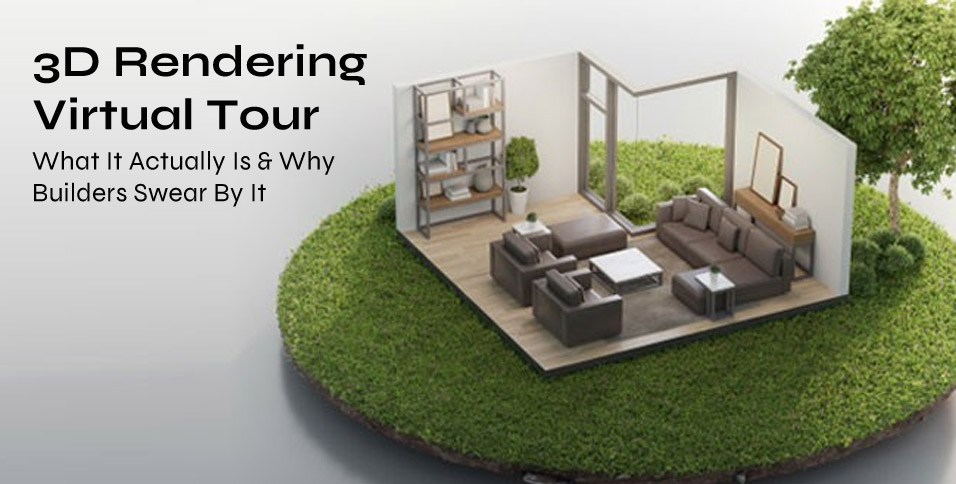
Right, basics first. A 3D rendering virtual tour is basically a digital walkthrough of a building that doesn’t exist yet. Not those dodgy 360 photos of existing places – we’re talking full computer-generated environments built from your actual plans.
You chuck on a VR headset or just use your laptop, and suddenly you’re “walking” through rooms that are still just lines on paper. Look left, look right, check out the kitchen from every angle, see how the light hits the living room at 3pm. It’s all there.
The tech has come a long way from those clunky video-game-looking models from a few years back. Modern 3D rendering virtual tour work is seriously photorealistic. We’re talking proper materials, accurate lighting, correct proportions – the works.
The Problem It Actually Solves
Here’s where it gets interesting. Every builder knows the pain: you show clients architectural drawings, they nod along like they understand, then halfway through construction they rock up to site and go “oh, the bedroom feels smaller than I thought” or “the kitchen layout doesn’t flow right.”
Then comes the variations. The delays. The awkward conversations about extra costs. The stressed-out clients who feel like they didn’t get what they pictured.
A mate of mine who runs a mid-sized building company in Melbourne told me he started using 3D rendering virtual tour presentations about 18 months ago. His variation requests dropped by more than half. Half! That’s massive when you think about the time and money saved.
The reason is simple – clients actually see what they’re getting. No more trying to interpret technical drawings. No more imagining spaces based on floor plans. They walk through it virtually, they get it, they sign off with confidence.
How the Process Works (No Tech Jargon)
If you’re thinking about getting this done for your projects, here’s what actually happens:
Step one: You send over your plans – CAD files, PDFs, whatever you’ve got. The 3D team builds the basic structure digitally. Walls, windows, roof, the lot.
Step two: They add the details. Your chosen bricks, that specific flooring, the benchtops you picked out. Everything gets textured to look real.
Step three: Lighting gets sorted. They set it up so the virtual sun hits your windows at the right angle for your block’s orientation. You can even see how it looks morning vs afternoon.
Step four: They make it interactive. Depending on what you need, this might work on VR headsets, or just through a web browser on any device. Some builders want walkthrough videos for their website. Others want full interactive experiences where clients can look around freely.
Companies like PlanIt VR typically turn this around in a couple of weeks for a standard home. Bigger developments with multiple designs take longer, obviously.
Real Benefits for Different Parts of the Industry
For custom home builders: This is your secret weapon for winning jobs. When a potential client is comparing you against another builder, and you’re the one who can actually show them their future home in virtual reality? You stand out. Big time.
For developers selling off-the-plan: This is basically essential now. Try asking someone to drop $700k on an apartment they’ve never seen, based only on floor plans. Good luck. But give them a 3D rendering virtual tour where they can walk through the space, check out the view from the balcony, compare different floor plans? Suddenly that pre-sale conversation gets a lot easier.
For architects and designers: Client presentations become way smoother. Instead of trying to explain “the spatial flow between the dining and living areas,” you just let them walk through it. They get it immediately.
For renovators: Adding a second storey? Extending the back? Virtual tours show exactly how new spaces connect with existing ones. No nasty surprises when the build’s done.
The Money Side of Things
Let’s talk dollars, because that’s what it comes down to.
A decent 3D rendering virtual tour for a standard Aussie home will set you back somewhere between $1,500 and $4,000. Yeah, it’s not pocket change. But context matters here.
If you’re building a $500,000 home, and this tour prevents one $15,000 variation (or helps you win the job in the first place), it’s paid for itself three times over. If you’re a developer trying to shift $3 million worth of apartments, and the virtual showroom helps you sell out three months faster? The carrying cost savings on your construction loan probably cover the entire visualisation budget.
More importantly, think about what you’re competing against. Some builders still think a physical display home is the answer. Mate, those things cost half a million to build, furnish, and maintain. And you need a new one for every major design. A digital 3D rendering virtual tour gives you unlimited “display homes” for a fraction of the cost.
What to Look For in a Provider
Not all virtual tour companies deliver the same quality. When you’re shopping around (and yeah, PlanIt VR is worth a look), keep an eye out for:
Realism that holds up – Check their portfolio. Do the materials look real? Is the lighting natural? Or does it look like a cheap video game?
Technical accuracy – This matters. If the virtual model doesn’t match your construction drawings, you’re creating problems, not solving them.
Works everywhere – Make sure the tours run properly on phones, tablets, computers, and VR headsets. You don’t want clients struggling with tech issues.
Knows the local market – Aussie building styles, materials, and planning rules are specific. A provider who understands Australian construction produces better results than some offshore outfit.
Decent turnaround – Two to three weeks is standard for a home. If someone’s promising 24-hour delivery, be suspicious about the quality.
Where This Is Heading
The tech keeps improving. We’re seeing stuff like real-time material changes (client wants to see the kitchen with black benchtops instead of white? Click, done), integration with actual construction progress tracking, and better VR experiences as the headsets get cheaper and better.
Point is, 3D rendering virtual tour technology isn’t a gimmick or a passing trend. It’s becoming standard practice. The builders and developers who adopt it now are setting themselves up ahead of the pack. The ones who wait? They’re going to look increasingly old-fashioned to clients who expect this level of service.
Bottom Line
If you’re still trying to sell projects with nothing but floor plans and a few artist impressions, you’re making life harder than it needs to be. A proper 3D rendering virtual tour removes the guesswork, prevents expensive mistakes, helps you win more jobs, and keeps clients happier throughout the build.
For Australian construction businesses looking to stay competitive in 2025 and beyond, this isn’t optional anymore. It’s just part of doing business properly.