A submission arrives bearing a recognizable brand, a substantial manufacturing facility, and a producer whose enthusiasm is audible in every line. Then the loss runs open: five general liability incidents, all closed for reporting purposes only, not a dollar paid, each description more extraordinary than the last.
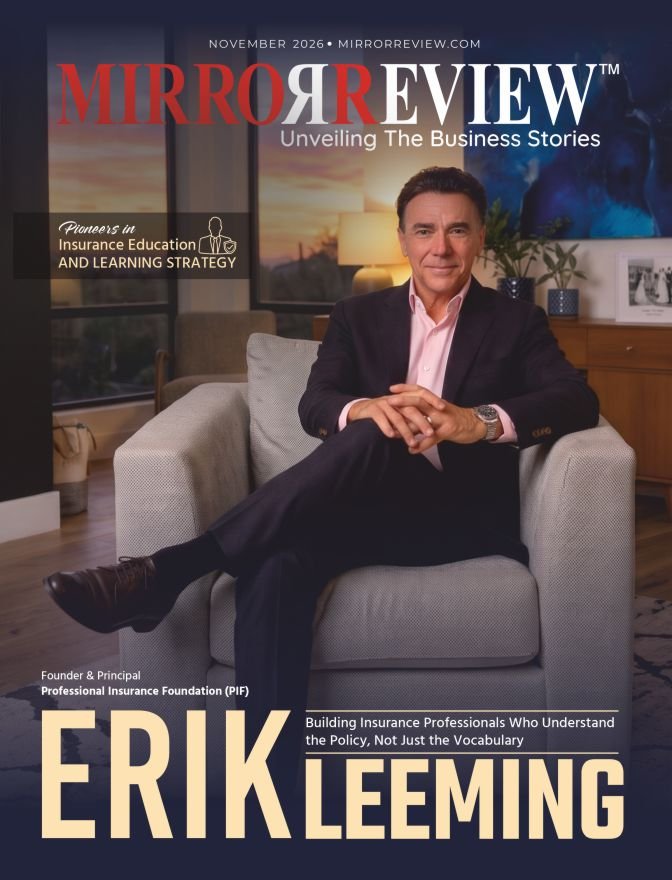
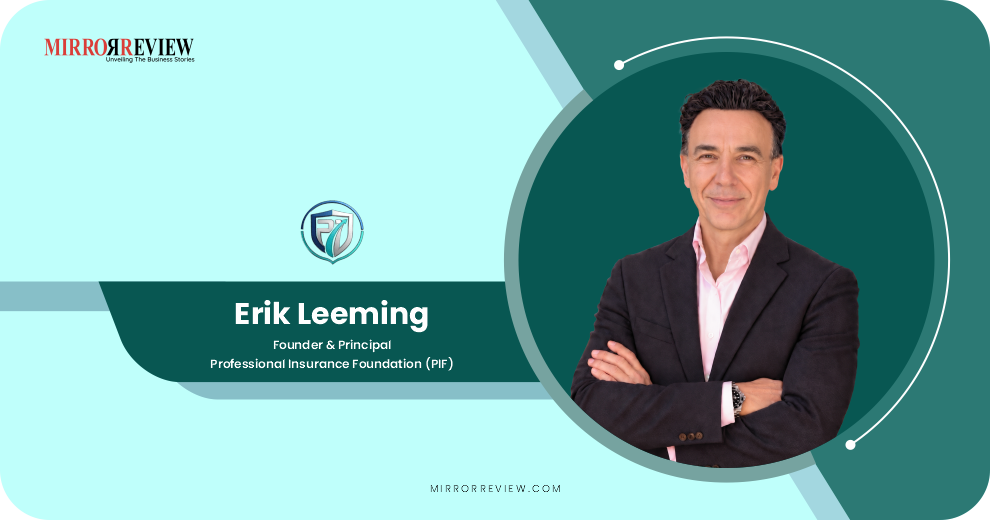
The fictional account centers on Willy Wonka’s chocolate factory, and the exercise belongs to Erik Leeming, Founder and Principal of the Professional Insurance Foundation (PIF). In a Know The Underwriting™ piece, ‘The Underwriter Had Questions: The Untold Story,’ Erik invites readers to sit in the underwriter’s chair and decide whether they would put this account in their book. The jokes are real. So is the lesson. “A business can be an attractive target class without being an attractive risk,” he writes, and the line could serve as a thesis for much of what PIF does.
It is education that begins with a smile and ends with someone reading a policy more carefully than they did the day before.
Two Sides of the Same Transaction
Erik’s understanding of insurance was formed on both sides of the desk. His career spans the carrier and agency sides of the industry, and he says the vantage points differ more than most people expect. Underwriters evaluate exposures and terms. Agency professionals translate those decisions into advice for clients. “Effective education connects those perspectives,” he says.
He has also watched people learn terminology without developing the confidence to explain what a policy actually does. That observation shaped his method: make complex concepts understandable, connect them to recognizable situations, and ask learners to explain their reasoning. “Knowing an answer matters. Understanding why it is the answer matters even more.”
PIF grew from a practical problem. Agencies, in Erik’s view, face two connected challenges: attracting talent and getting people ready to contribute. He created PIF to become their training partner, supporting new hires and professionals moving from Personal Lines into Commercial Lines, or from Small Commercial into more complex Middle Market and Large Commercial accounts. A single class cannot carry that kind of transition. “Learning should begin beforehand and continue afterward.”
The ‘Know The…’ family of programs connects that mission. It asks people to understand the people involved, build policy knowledge, and link that knowledge to underwriting and claims. Through it, PIF helps agencies, associations, and aggregators develop their people as responsibilities grow.
Humor With Substance
Completing a course or earning a designation matters, Erik says, but neither automatically establishes practical proficiency. The better questions are whether someone can interpret policy language, recognize an exposure, and explain a limitation. These are abilities that must be demonstrated through application, not assumed from a completed course.
He names a second misconception as well: that serious education must feel serious every minute. Reel Risk Fridays™ and Coverage Cut Tuesdays™ answer it by using recognizable movie scenarios to invite coverage analysis. The Wonka exercise extends that approach into underwriting, challenging participants to consider whether a promising submission should actually be accepted once its exposures are examined. The humor opens the discussion, but the decision demands professional judgment.
The same conviction surfaced in an October 2026 article for PIA Connection, ‘The Making of a Great Producer.’ On the subject of easily accessible information, Erik observed, “Whether it’s Google or AI, it can be a shortcut. It can help, but we can’t count on that.” He cautioned that a producer placing business without reading what a client currently has and what comes next creates a potential E&O issue for the agency. His advice to new producers was to look for an agency that can clearly explain how they will be trained and where the job can lead.
Customization Begins With the Team
When Erik designs a program, he starts with the people in the room. What do they understand? Where do they struggle? What does the organization need them to do more effectively? Leaders do not always know where the gaps are, and assessments help reveal them and establish priorities. Instruction is then built around roles, demonstrated needs, business objectives, and available time.
The sessions themselves are active. Participants investigate realistic accounts, including agency examples, locate the relevant policy provisions, analyze scenarios, and explain their conclusions. Non-insurance exercises also develop skills in fact-finding and in communicating value. Together, these activities help participants develop a method of analysis they can use when unfamiliar situations arise in their work.
Input from agency leaders and relevant specialists adds another dimension to the curriculum, connecting technical instruction with the challenges professionals encounter across different functions. Know The Underwriting™ explores exposures, submissions, and the reasoning behind underwriting decisions. Know The Claim™ helps agency professionals understand the claims process, set expectations, recognize concerns, and advocate effectively within their role.
Both support Know The Policy™ by showing how technical understanding informs the conversations that surround a policy throughout its life.
Starting With What People Actually Know
Scale brings its own complications. Employees may share a job title while bringing very different technical foundations, especially as organizations grow through acquisitions. Know The Person™ assessments evaluate the insurance knowledge of potential hires, and they can also identify development needs across existing teams. Leadership reports then reveal shared gaps and differences among participants.
Experience can complicate the picture, because tenure can reinforce misunderstandings. When Erik hears, “At my last agency, we always…” he encourages participants to examine that practice against the policy. The aim is to help people revisit assumptions without embarrassment. A common foundation, layered questions, and resources for continued review allow participants with different levels of experience to develop their understanding without being held to identical starting points.
Measurement follows the same philosophy. PIF exams are open book and open note because locating, interpreting, and explaining a provision matters more than memorizing it. Classroom exercises reveal understanding and reasoning, and continued access to supporting resources encourages reinforcement. Later reassessment can help leadership see what participants retained and what needs attention. Managers play an essential role too, by observing coverage conversations and reviewing work. “A passing score is one point of information,” he says, and lasting results depend on what professionals can demonstrate once they return to their responsibilities.
A Connected Learning Ecosystem
PIF’s offerings are layered by experience. Foundational instruction helps newer producers and account managers build technical understanding, while intermediate programs deepen application. The Property Casualty Coverage Specialist (PCCS) designation combines structured study with two examinations, and virtual flashcards make preparation and reinforcement enjoyable.
Learning also continues outside the classroom. The Mack and Mia Deep Dive podcast episodes become listening assignments, followed by classroom discussion, with continued access afterward. Managers can use companion leadership guides to discuss topics such as Business Income using actual agency accounts. The Saturday Scramble and Sunday Funday Crosswords add a lighter form of reinforcement.
Erik’s own habits of mind explain the design. As his understanding grew, he began seeing insurance everywhere. In 1999, he was watching Toy Story 2 with his son. The toys cross a road under traffic cones, vehicles collide, and a concrete pipe rolls off a truck. “We’re watching a rescue mission, and I’m thinking about insurance claims!” he recalls. His learners tell him they are making the same everyday connections.
Teaching, Balance, and a Strong First Year
Teaching and curriculum development feed one another in Erik’s work. An unexpected question, or a participant struggling with an explanation, tells him where the material needs attention. He draws on those moments to refine his instruction, while prioritizing the development of resources that people can revisit beyond a live session. What motivates him is hearing, “Now I understand.” For him, helping someone reach that moment is among the most rewarding parts of teaching insurance.
PIF’s first year has brought several significant opportunities to extend that approach. PIF has been selected as the exclusive education provider for a multi-state aggregator serving more than 400 member agencies. A national insurance association approached PIF about white-labeling its small commercial program for nationwide delivery by PIF. A top-50 broker chose PIF for virtual and in-person training, with customization central to that decision, and discussions are under way about customized CE for more than 500 licensed professionals across that organization. Erik believes the recognition reflects PIF’s connected approach, from identifying needs to supporting continued development.
Judgment in the Age of AI
Looking ahead, Erik sees artificial intelligence raising the standard for what professionals must understand without replacing their judgment. A confident answer, he cautions, is not necessarily correct or complete. Clients can generate an insurance explanation in seconds, so the professional’s value increasingly lies in evaluating it, recognizing missing facts, and identifying where it fails to reflect the policy in force.
PIF incorporates AI-assisted policy analysis into its learning so participants can test both its usefulness and its conclusions. In one of his articles on AI and Business Income, he illustrates the problem through a fictional manufacturer whose apparently sound AI-assisted coverage recommendation overlooks a crucial operational detail. The example demonstrates why even a convincing analysis must be tested against information the system may never have received.
His advice to leaders follows from that. Meeting CE requirements should be treated as one part of professional development, rather than proof of competency. When employees choose courses independently year after year, important gaps can persist or widen. Erik encourages leaders to take a more deliberate approach, using what they learn about their teams to guide development and strengthen day-to-day performance.
“Clients deserve a consistent standard of analysis and explanation, grounded in the facts and policy, whoever answers the phone.”
For Erik, that is where the value of education becomes visible: in the ability to examine an unfamiliar situation, identify what matters, and give a client an answer supported by sound reasoning.
Quotes